








منشورات ذات صلة
From Formula to Shelf: Inside the QYONZ Manufacturing Process for Clean Beauty (EU & Retail-Ready)

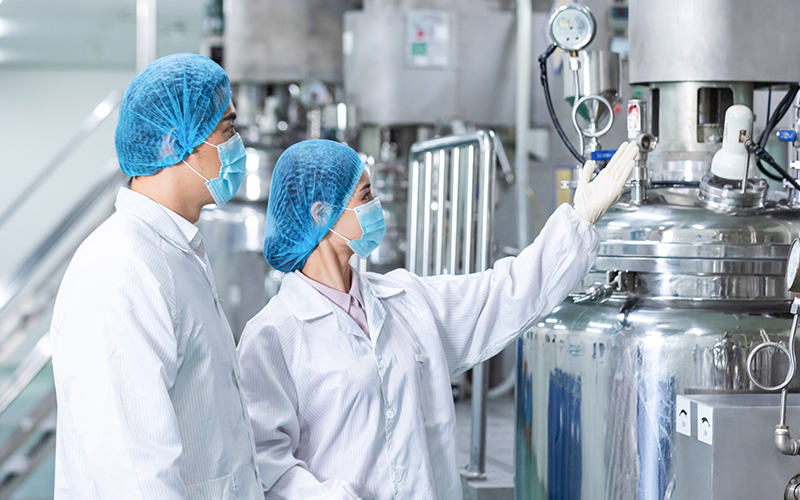
“Clean Beauty” is no longer a marketing claim—it’s a compliance gate. Retailers and regulators increasingly require ingredient transparency, traceable manufacturing, and documentation that stands up to audits. This article shows how QYONZ turns a concept into shelf-ready clean beauty private label hair care through a five-step system: requirement mapping, iterative lab sampling with test data, ISO/GMP-aligned production controls, packaging compatibility and labeling support, and post-launch change control. You’ll also see what “radical transparency” looks like in practice—SDS/COA per batch, traceable QC records, and documentation workflows designed to support EU-aligned requirements.
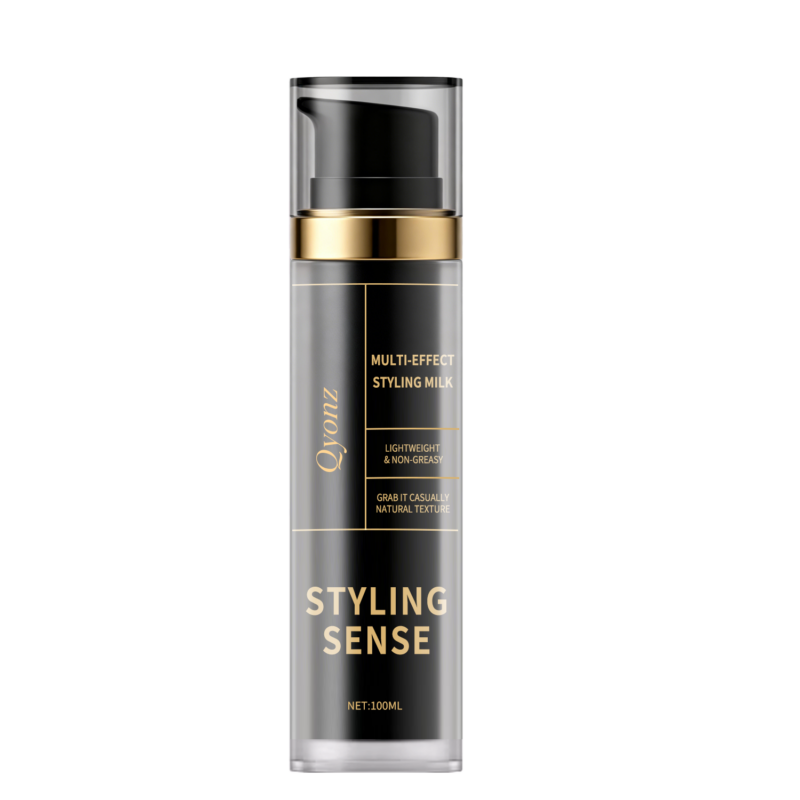
لماذا يعتبر موك والامتثال مهمان أكثر من أي وقت مضى في تصنيع المعدات الأصلية للعناية بالشعر (دليل 2026)
معظم المؤسسين يتعاملون مع موك كحد أقصى للمصنع، ولكن في تصنيع منتجات العناية بالشعر، يحدد موك اقتصاديات الوحدة، والوصول إلى التغليف، ومخاطر المخزون، وسرعة التوسع. وتؤدي عمليات التشغيل المنخفضة للغاية (100-300 وحدة) إلى تضخيم التكلفة وتقييد خيارات التعبئة والتغليف، في حين أن موك الذي يزيد عن 10000 وحدة يمكن أن يجمد التدفق النقدي قبل التحقق من ملاءمة المنتج للسوق. غالبًا ما يكون خط الأساس المكون من 1000 وحدة هو النقطة التشغيلية المثالية - كبيرة بما يكفي لاختبار الثبات والتوافق مع التغليف ومستويات تسعير أفضل، ولكنها صغيرة بما يكفي لحماية رأس المال العامل. في عام 2026، يكون الامتثال هو صانع الصفقات الثاني: تقلل عمليات ISO 22716/GMP، بالإضافة إلى وثائق SDS/COA ووثائق المكونات، من مخاطر الشطب ورفض البيع بالتجزئة. يفصل هذا الدليل استراتيجية الـ 1000 موك مع قائمة مراجعة للمشتري والأسئلة الشائعة لفرق المشتريات.
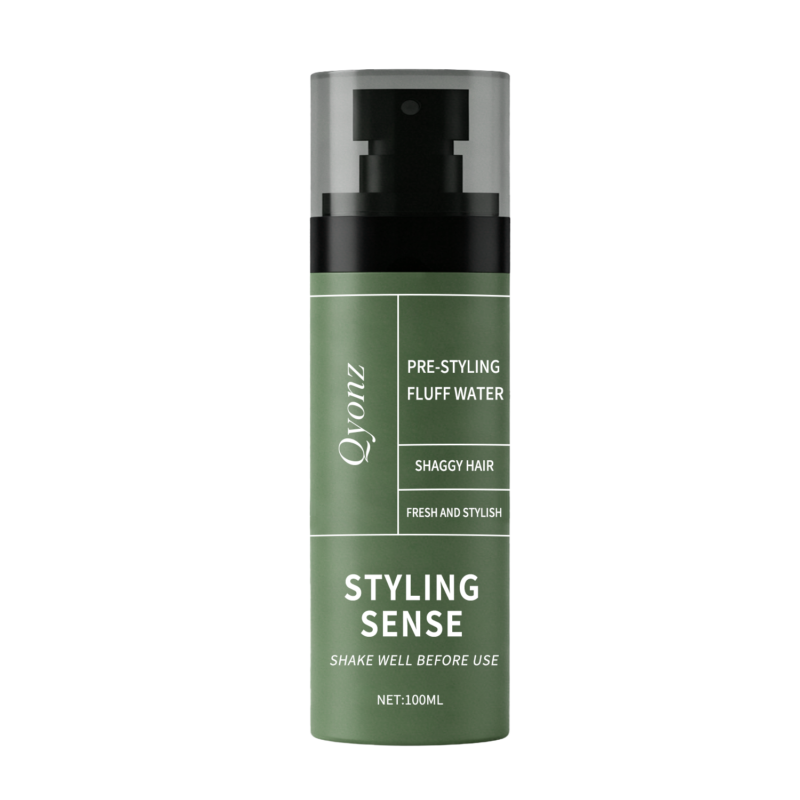
نهاية القرمشة والرقائق البيضاء: هندسة البوليمر السائل كبديل نهائي لرذاذ ملح البحر للعلامات التجارية الخاصة
في مجال تصفيف الشعر للرجال، لم يعد “الحبيبات” نقطة بيع - فالأداء دون إجهاد فروة الرأس هو نقطة بيع. تخلق بخاخات ملح البحر التقليدية ملمسًا عن طريق الجفاف، وغالبًا ما تؤدي إلى الشعور بالهشاشة والبهتان وتضخم الشعر لدى العملاء. يمكن لمساحيق الملمس أن تضيف ملمسًا رافعًا، لكن شكاوى البقايا والتراكم تتزايد. أما الجيل التالي من الحلول فهو الجيل التالي من البوليمر السائل المعماري (LPA): وهو عبارة عن رذاذ مائي دقيق غير هوائي لا يعتمد على الهباء الجوي ويشكل شبكة بوليمر مرنة لرفع الجذور وإعادة صياغة القوام - دون تقشير أو رقائق بيضاء. تشرح هذه المقالة التحول الكيميائي، وما هي المواصفات التي يجب تحديدها عند الحصول على تركيبة العلامة التجارية الخاصة، وكيف أن التصنيع الذي يعتمد على الامتثال أولاً (عمليات SDS/COA + عمليات ISO/GMP) يقلل من المخاطر التي تواجه إطلاقك في عام 2026.
اختيار الشركة المصنعة للمعدات الأصلية لصبغة الشعر حسب مرحلة العلامة التجارية (دليل عملي)

لا تفشل معظم العلامات التجارية في صبغ الشعر لأنها اختارت “المصنع الخطأ”، بل تفشل لأنها اختارت المصنع الصحيح...
لماذا تقوم العلامات التجارية بتبديل الشركات المصنعة لألوان الشعر (وما الذي يبحثون عنه بعد ذلك)
بالنسبة للعديد من العلامات التجارية في مجال التجميل، لا يعد تغيير الشركة المصنعة لمصنع المعدات الأصلية لألوان الشعر قرارًا مفاجئًا - بل هو نتيجة للإنتاج المتكرر والشكوى...
الامتثال لصبغة الشعر: SDS وCOA وما يجب على العلامات التجارية إعداده قبل الإطلاق
لماذا يُعتبر الامتثال من أهم العوامل التي تفسد الصفقات في مجال تصنيع ألوان الشعر
تُعد منتجات صبغات الشعر ومنتجات صبغ الشعر من بين أكثر المنتجات التي يتم مراجعتها عن كثب...
علامة خاصة منخفضة موك لصبغة الشعر: كيف يمكن للدفعات الصغيرة أن تلبي المعايير العالمية
المفهوم الخاطئ حول
تفترض العديد من العلامات التجارية أن انخفاض موك إنتاج صبغة الشعر يعني أن إنتاج صبغة الشعر منخفضة موك يعني أن هناك نقصًا في الكمية في الواقع، يتطلب انخفاض موك المزيد ...
مصبوغات الشعر الخالية من الأمونيا: كيف يقوم المصنعون المحترفون بتركيب أنظمة ألطف
لماذا صبغة الشعر الخالية من الأمونيا؟
أصبح تلوين الشعر الخالي من الأمونيا أحد أسرع الطلبات نموًا بين العلامات التجارية المستقلة وصالونات التجميل...
الشركة المصنعة لصبغ الشعر ومنتجات تلوين الشعر وإضافة اللون
موك منخفض | معتمد من ISO 22716 | دعم كامل لوثائق الامتثال
✅ مصنع حاصل على شهادة الأيزو 22716 ✅ أكثر من 12 لون شعر ولون...
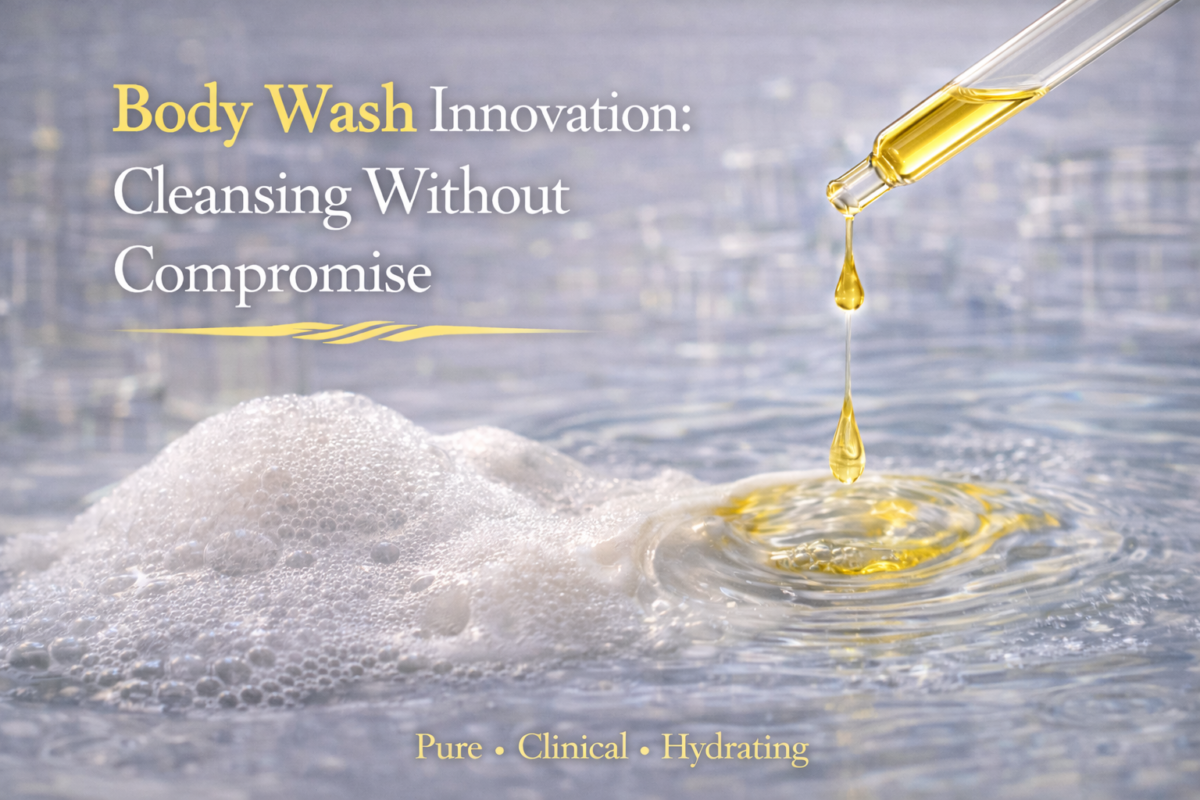
ابتكار غسول الجسم: التنظيف دون مساومة
لم يعد غسول الجسم الحديث يتعلق بالتنظيف فحسب، بل أصبح علمًا دقيقًا للحفاظ على الحاجز الواقي والترطيب والتجربة الحسية.
تشاركنا شركة Qyonz OEM كيف يعزز زيت المارولا غسول الجسم الخالي من الكبريتات لتحقيق أداء نظيف ولطيف وملائم للبشرة مدعومًا بالتحقق من صحة المختبر.
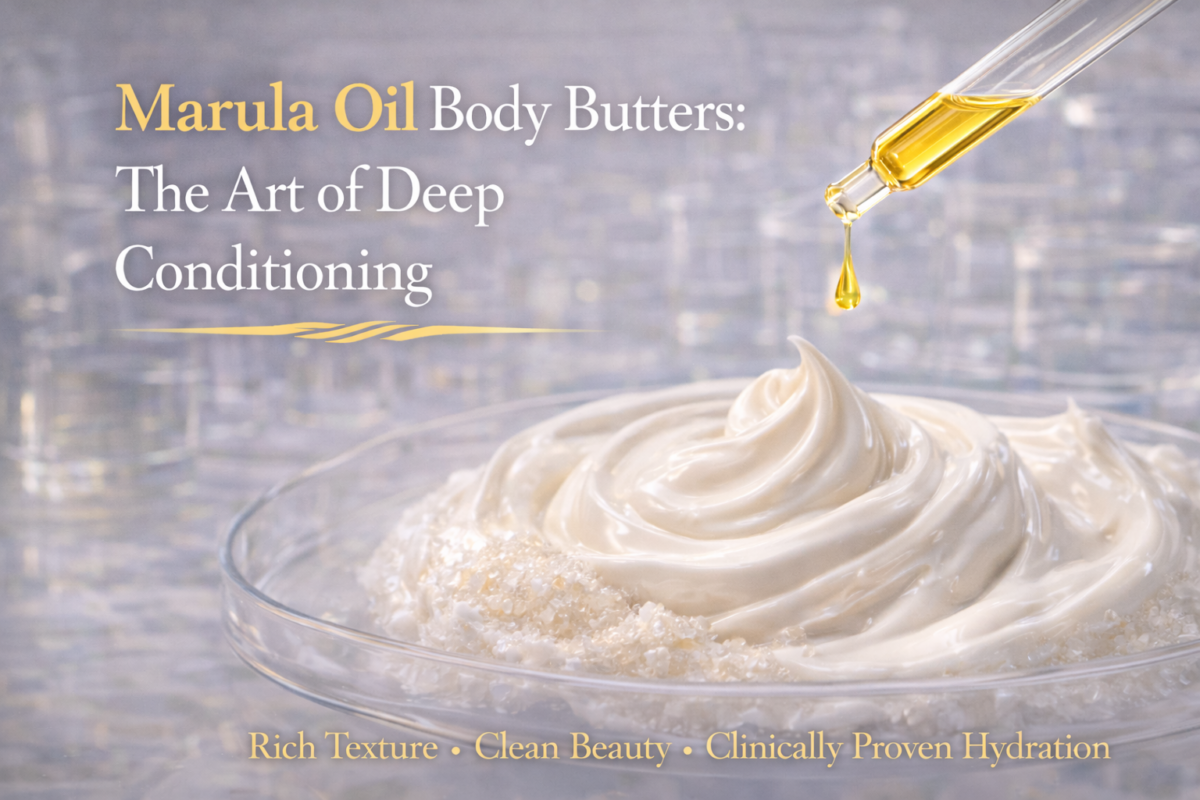
زبدة الجسم بزيت المارولا: فن التكييف العميق
زبدة الجسم الغنية والمكررة - زبدة الجسم هي رمز الراحة والعناية المثالية.
تشرح شركة Qyonz OEM كيف أن خصائص دهون زيت المارولا وثبات مضادات الأكسدة في زيت مارولا تتيح لكِ زبدة الجسم الغنية وغير الدهنية التي توفر ترطيباً مثبتاً سريرياً ودلالاً حسياً.
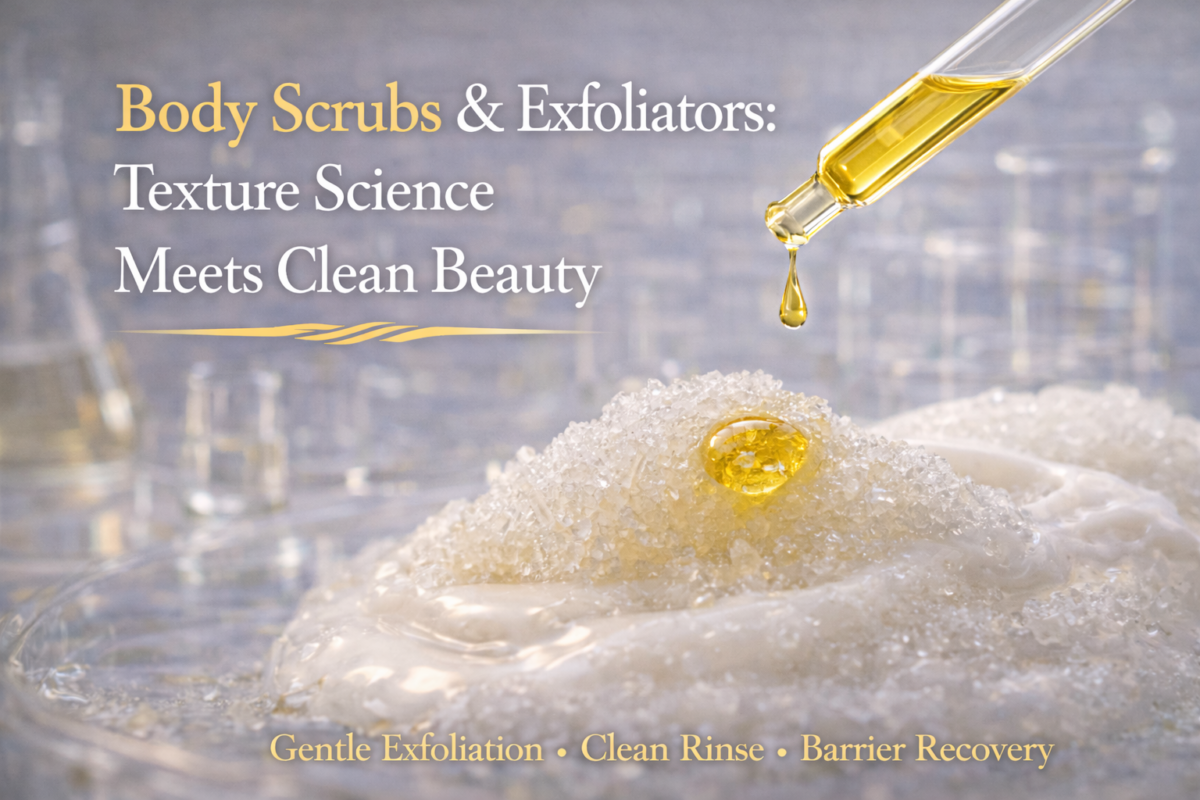
مقشرات ومقشرات الجسم: علم الملمس يلتقي بالجمال النظيف
يمزج الجيل الجديد من مقشرات الجسم بين العلم والعناية الحسية - التقشير بلطف مع تجديد حاجز البشرة.
تستكشف شركة Qyonz OEM كيف يعيد زيت المارولا والمقشرات الطبيعية تعريف تركيبة مقشر الجسم ويوازن بين أداء الملمس ومبادئ الجمال النظيف.