









Verwandte Beiträge
From Formula to Shelf: Inside the QYONZ Manufacturing Process for Clean Beauty (EU & Retail-Ready)

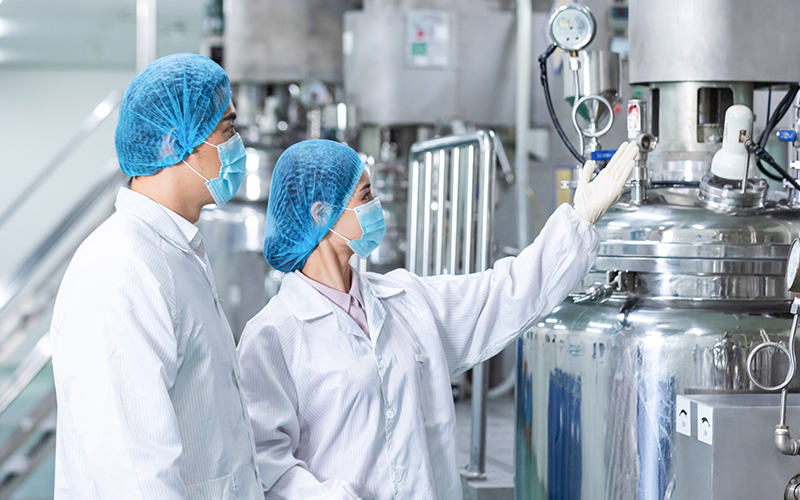
“Clean Beauty” is no longer a marketing claim—it’s a compliance gate. Retailers and regulators increasingly require ingredient transparency, traceable manufacturing, and documentation that stands up to audits. This article shows how QYONZ turns a concept into shelf-ready clean beauty private label hair care through a five-step system: requirement mapping, iterative lab sampling with test data, ISO/GMP-aligned production controls, packaging compatibility and labeling support, and post-launch change control. You’ll also see what “radical transparency” looks like in practice—SDS/COA per batch, traceable QC records, and documentation workflows designed to support EU-aligned requirements.
Warum MOQ und Compliance in der OEM-Herstellung von Haarpflegeprodukten wichtiger sind denn je (2026 Playbook)
Die meisten Gründer betrachten die Mindestbestellmenge als ein Fabriklimit, aber in der OEM-Herstellung von Haarpflegeprodukten bestimmt die Mindestbestellmenge die Wirtschaftlichkeit der Einheit, den Zugang zur Verpackung, das Bestandsrisiko und die Geschwindigkeit der Skalierung. Sehr niedrige Stückzahlen (100-300 Einheiten) treiben die Kosten in die Höhe und schränken die Verpackungsoptionen ein, während alte MOQs von mehr als 10.000 Einheiten den Cashflow einfrieren können, bevor die Eignung des Produkts für den Markt bestätigt ist. Eine Basismenge von 1.000 Stück ist oft der operative Sweet Spot - groß genug für Stabilitätstests, Verpackungskompatibilität und bessere Preisgestaltung, aber klein genug, um das Betriebskapital zu schützen. Im Jahr 2026 ist die Einhaltung von Vorschriften das zweite entscheidende Kriterium: ISO 22716/GMP-Prozesse sowie SDS/COA und die Dokumentation der Inhaltsstoffe verringern das Risiko der Auslistung und der Ablehnung durch den Einzelhandel. Dieser Leitfaden schlüsselt die 1.000-MOQ-Strategie mit einer Checkliste für Einkäufer und FAQ für Beschaffungsteams auf.
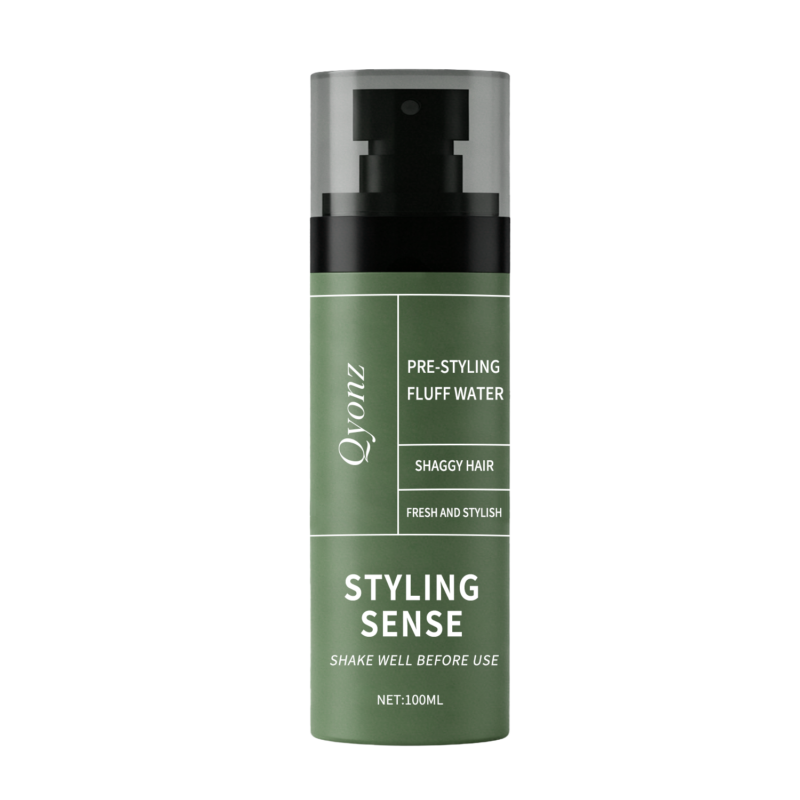
Das Ende von Crunch und White Flakes: Flüssigpolymer-Architektur als ultimative Meersalz-Spray-Alternative für Eigenmarken
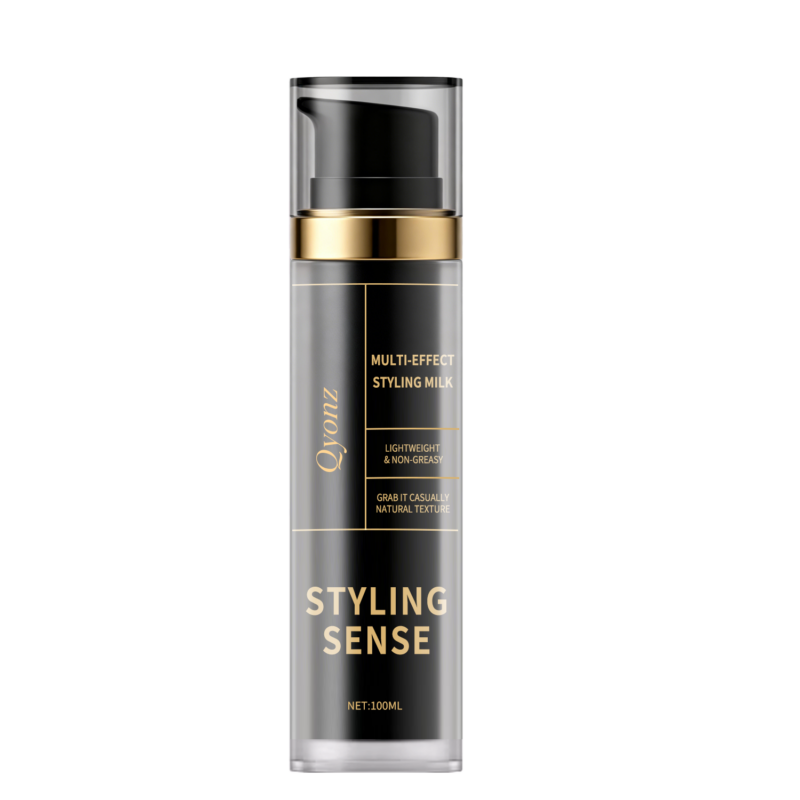
Beim Männerstyling ist “Grit” kein Verkaufsargument mehr - Leistung ohne Kopfhautstress schon. Herkömmliche Meersalzsprays erzeugen Textur durch Austrocknung, was oft zu sprödem Gefühl, Stumpfheit und Kundenunzufriedenheit führt. Texturpuder können zwar für mehr Schwung sorgen, aber die Beschwerden über Rückstände und Ablagerungen nehmen zu. Die Lösung der nächsten Generation ist Liquid Polymer Architecture (LPA): ein aerosolfreier, wasserbasierter Mikronebel, der ein flexibles Polymernetzwerk bildet, das die Haarwurzeln anhebt und eine überarbeitbare Textur verleiht - ohne Knirschen oder weiße Flocken. Dieser Artikel erklärt den Wandel in der Chemie, was bei der Beschaffung einer Eigenmarkenformel zu beachten ist und wie die Herstellung nach dem Prinzip "Compliance First" (SDS/COA + ISO/GMP-Prozesse) Ihre Markteinführung im Jahr 2026 entschärft.
Auswahl eines Haarfarben-OEM-Herstellers nach Markenstufe (Ein praktischer Leitfaden)

Die meisten Marken scheitern bei Haarfarben nicht, weil sie sich für die “falsche Fabrik” entschieden haben, sondern weil sie die richtige Art von Hersteller gewählt haben...
Warum Marken den Haarfarben-OEM-Hersteller wechseln (und wonach sie als nächstes suchen)
Für viele Kosmetikmarken ist der Wechsel eines Haarfarben-OEM-Herstellers keine plötzliche Entscheidung - er ist das Ergebnis wiederholter Produktion,...
Einhaltung von Haarfarben: SDS, COA, und was Marken vor der Markteinführung vorbereiten müssen
Warum die Einhaltung von Vorschriften bei der Herstellung von Haarfarben ein Knackpunkt ist
Haarfarben und farbgebende Produkte gehören zu den am stärksten kontrollierten...
Haarfarben-Privatlabel mit niedriger MOQ: Wie kleine Chargen dennoch globale Standards erfüllen können
Das Missverständnis über
Viele Marken gehen davon aus, dass die Produktion von Haarfarben mit niedrigen MOQ-Werten gleichbedeutend ist mit kompromittierten ...
Ammoniakfreie Haarfarbe OEM: Wie professionelle Hersteller sanftere Systeme formulieren
Warum Ammoniak-freie Haarfarbe in ist
Ammoniakfreie Haarfarbe ist zu einer der am schnellsten wachsenden Anfragen von Indie-Marken und Salons geworden...
Haarfarbe & farbabgebende Produkte OEM-Hersteller
Niedriges MOQ | ISO 22716-zertifiziert | Unterstützung der vollständigen Compliance-Dokumentation
✅ ISO 22716 zertifizierte Fabrik ✅ 12+ Haarfarben & Farbdep...
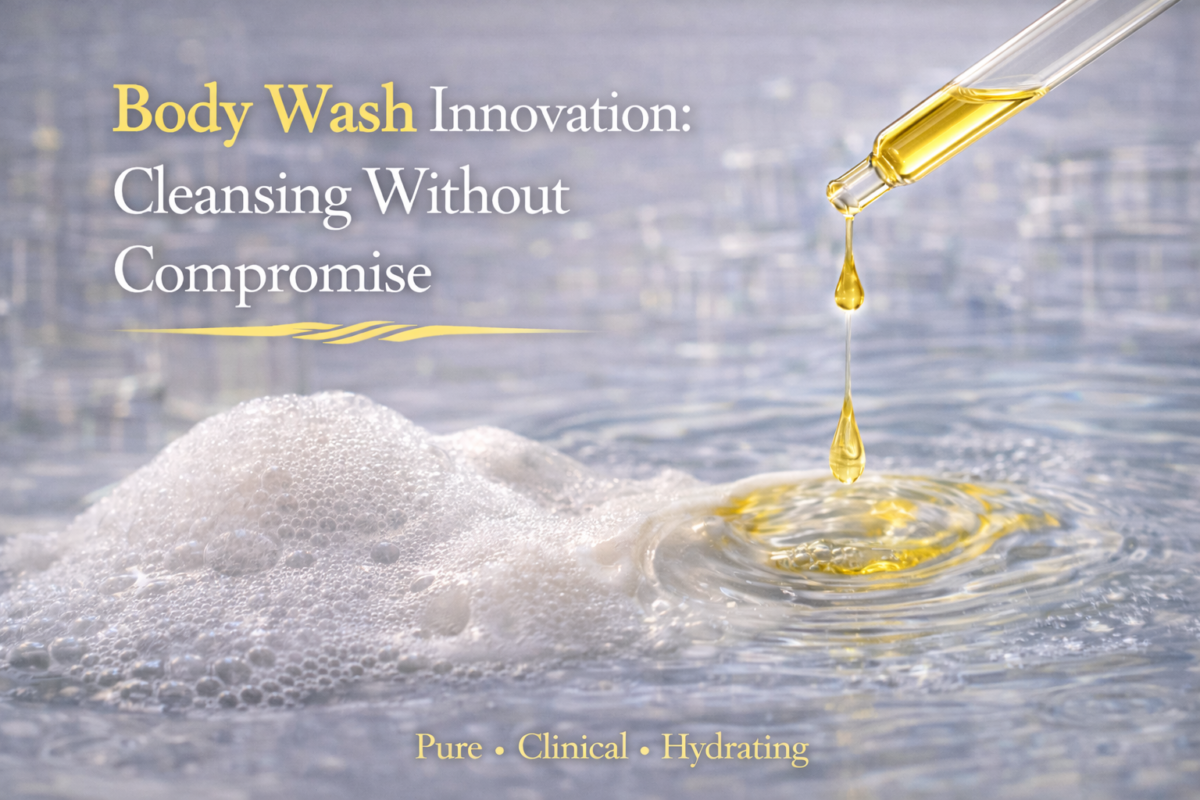
Body Wash Innovation: Reinigen ohne Kompromisse
Bei der modernen Körperreinigung geht es nicht mehr nur um die Reinigung - sie ist eine delikate Wissenschaft des Schutzes der Hautbarriere, der Feuchtigkeitszufuhr und der sensorischen Erfahrung.
Qyonz OEM erklärt, wie Marula-Öl sulfatfreie Körperwaschmittel verbessert, um eine saubere, sanfte und hautfreundliche Leistung zu erzielen, die durch Laboruntersuchungen bestätigt wird.
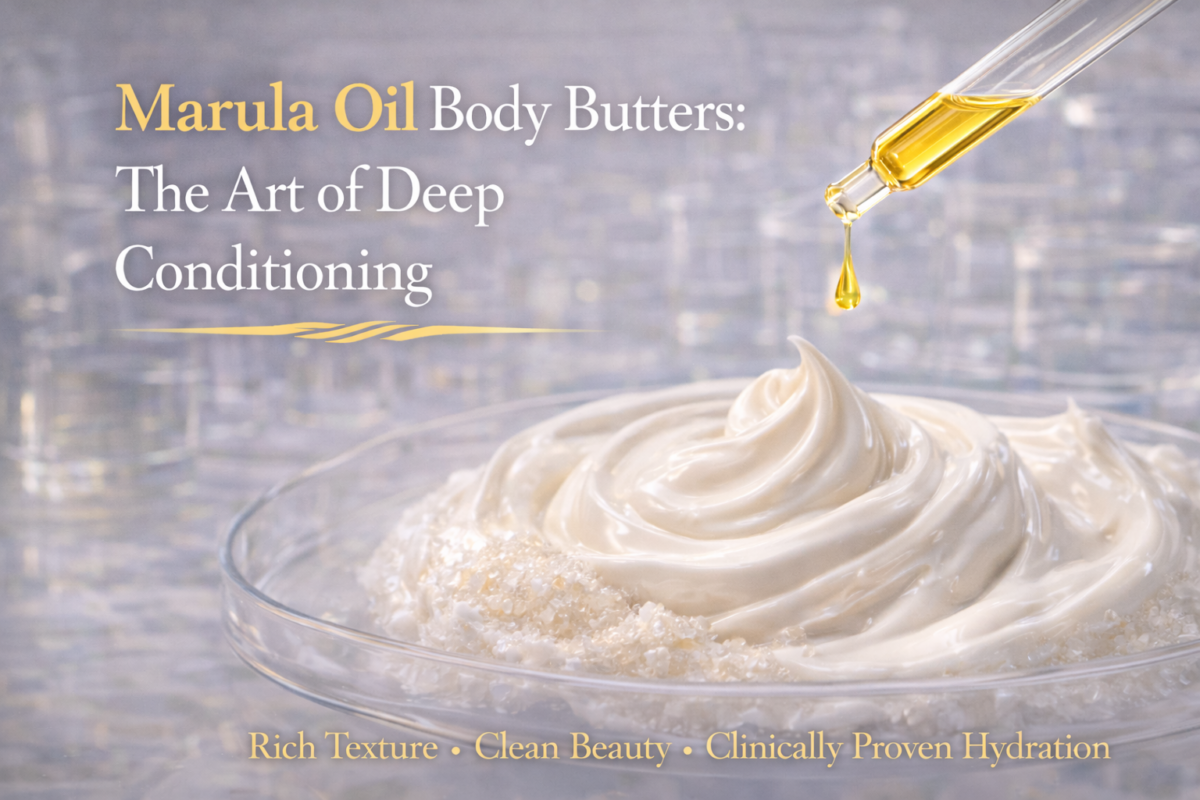
Marulaöl-Körperbutter: Die Kunst der tiefenwirksamen Pflege
Reichhaltig und doch raffiniert - Körperbutter ist das ultimative Symbol für Komfort und Pflege.
Qyonz OEM erklärt, wie das Lipidprofil und die antioxidative Stabilität von Marula-Öl reichhaltige, nicht fettende Körperbutter ermöglicht, die klinisch erwiesenermaßen Feuchtigkeit spendet und die Sinne verwöhnt.
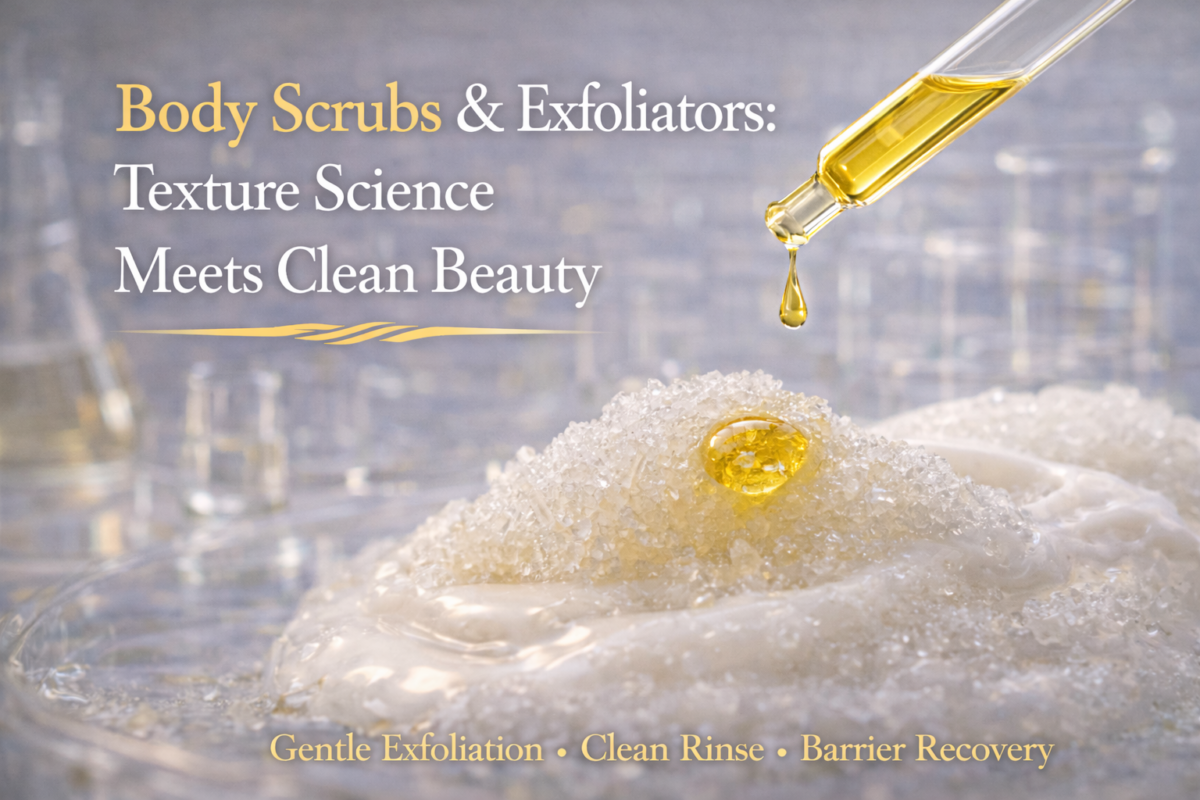
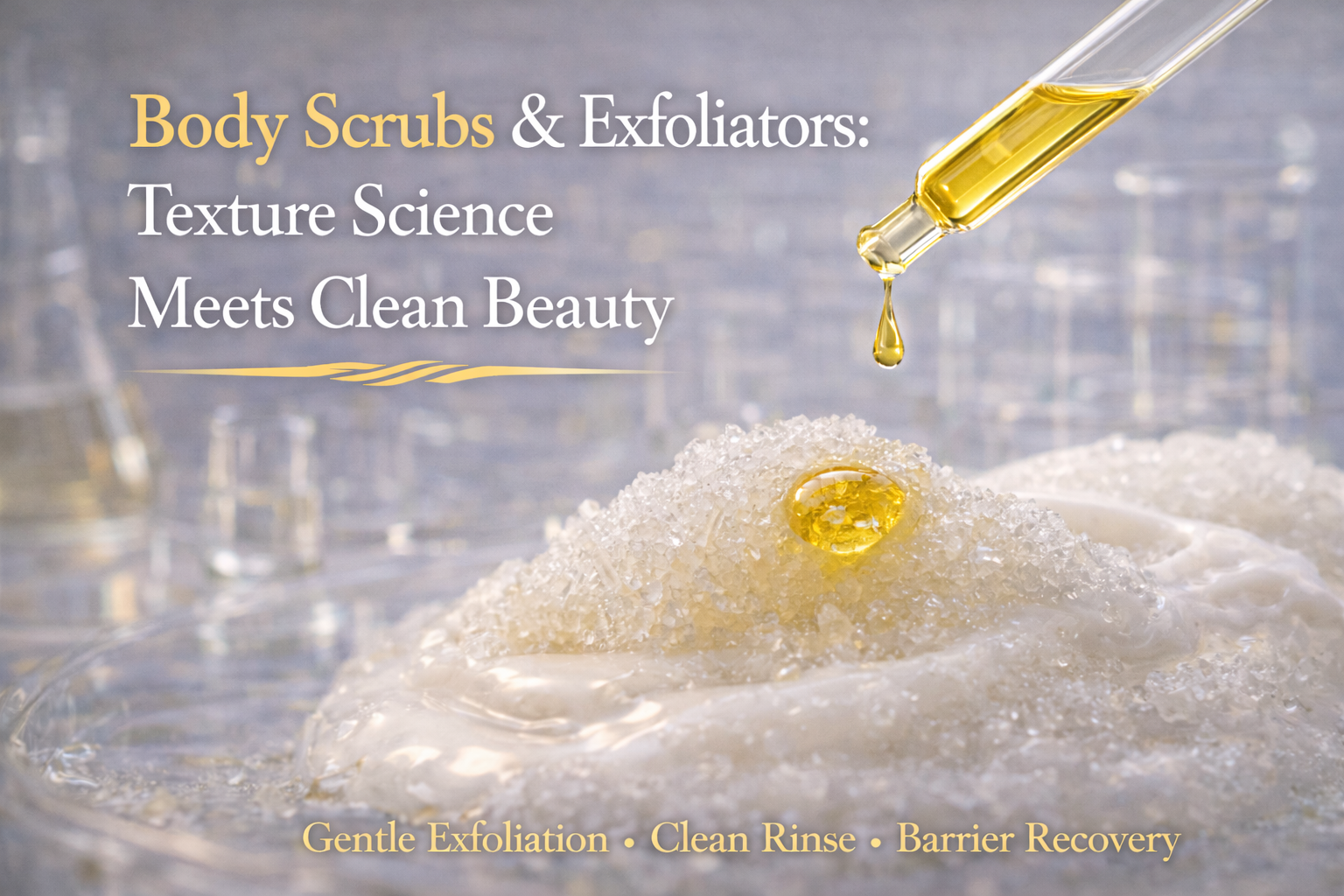
Körperpeelings und Peelings: Texturwissenschaft trifft auf saubere Schönheit
Die neue Generation von Körperpeelings verbindet Wissenschaft und sensorische Pflege - sie peelt sanft und baut die Hautbarriere wieder auf.
Qyonz OEM erforscht, wie Marula-Öl und natürliche Peelings die Formulierung von Körperpeelings neu definieren und dabei die Leistung der Textur mit den Prinzipien der reinen Schönheit in Einklang bringen.