









Puestos relacionados

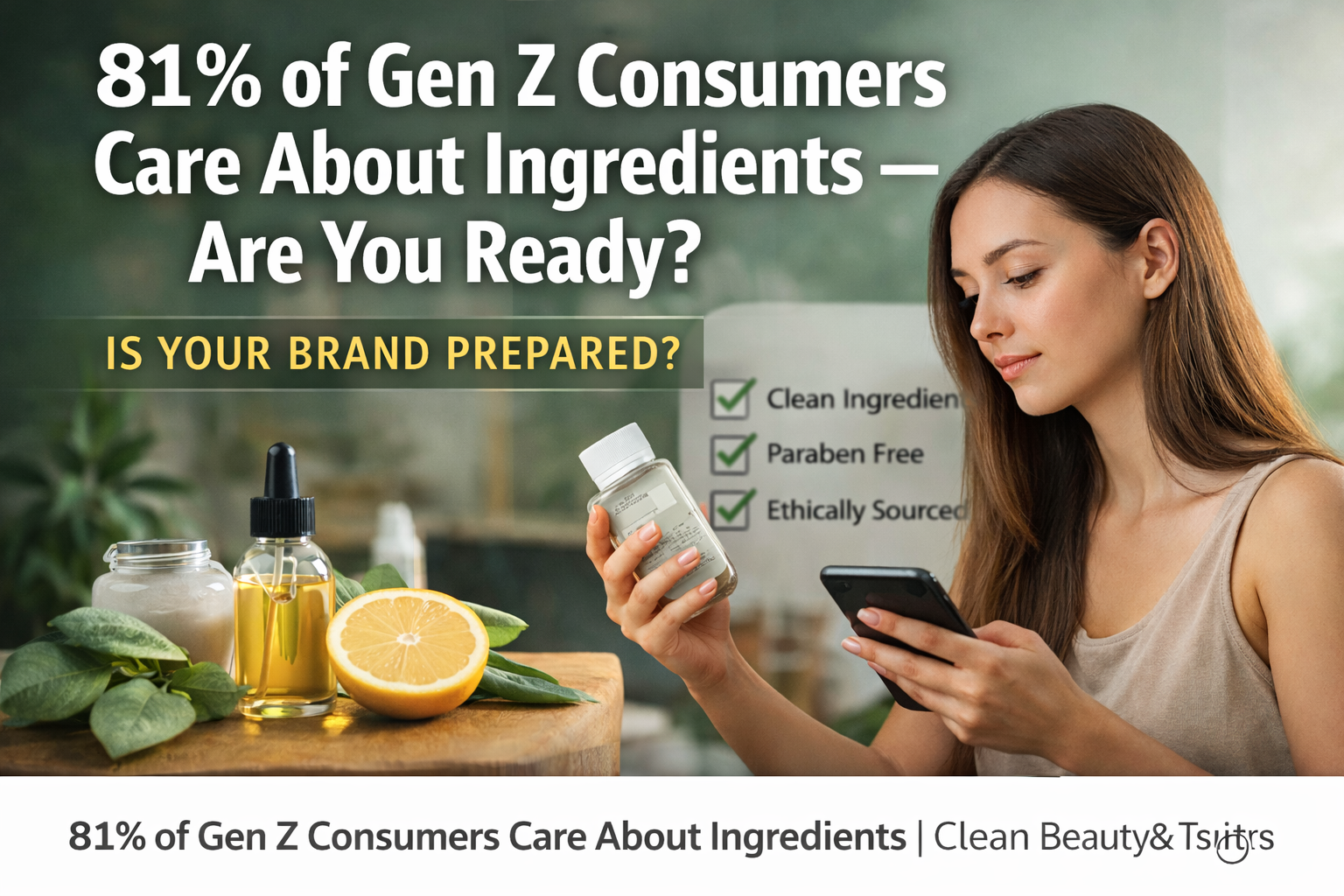
From Formula to Shelf: Inside the QYONZ Manufacturing Process for Clean Beauty (EU & Retail-Ready)

“Clean Beauty” is no longer a marketing claim—it’s a compliance gate. Retailers and regulators increasingly require ingredient transparency, traceable manufacturing, and documentation that stands up to audits. This article shows how QYONZ turns a concept into shelf-ready clean beauty private label hair care through a five-step system: requirement mapping, iterative lab sampling with test data, ISO/GMP-aligned production controls, packaging compatibility and labeling support, and post-launch change control. You’ll also see what “radical transparency” looks like in practice—SDS/COA per batch, traceable QC records, and documentation workflows designed to support EU-aligned requirements.
Por qué las MOQ y el cumplimiento son más importantes que nunca en la fabricación de OEM para el cuidado del cabello (2026 Playbook)
La mayoría de los fundadores consideran el MOQ como un límite de fábrica, pero en la fabricación OEM de productos para el cuidado del cabello, el MOQ determina su economía unitaria, el acceso al embalaje, el riesgo de inventario y la velocidad de escalado. Las tiradas ultrabajas (100-300 unidades) inflan el coste y restringen las opciones de envasado, mientras que las MOQ heredadas de más de 10.000 pueden congelar el flujo de caja antes de validar la adecuación del producto al mercado. Una línea de base de 1.000 unidades suele ser el punto óptimo de funcionamiento: lo suficientemente grande como para realizar pruebas de estabilidad, compatibilidad de envasado y mejores niveles de precios, pero lo suficientemente pequeño como para proteger el capital circulante. En 2026, el cumplimiento de las normas será el segundo factor decisivo: Los procesos ISO 22716/GMP, junto con la documentación sobre FDS/COA e ingredientes, reducen el riesgo de exclusión de la lista y de rechazo por parte de los minoristas. Esta guía desglosa la estrategia de las 1.000 MOQ con una lista de comprobación del comprador y preguntas frecuentes para los equipos de aprovisionamiento.
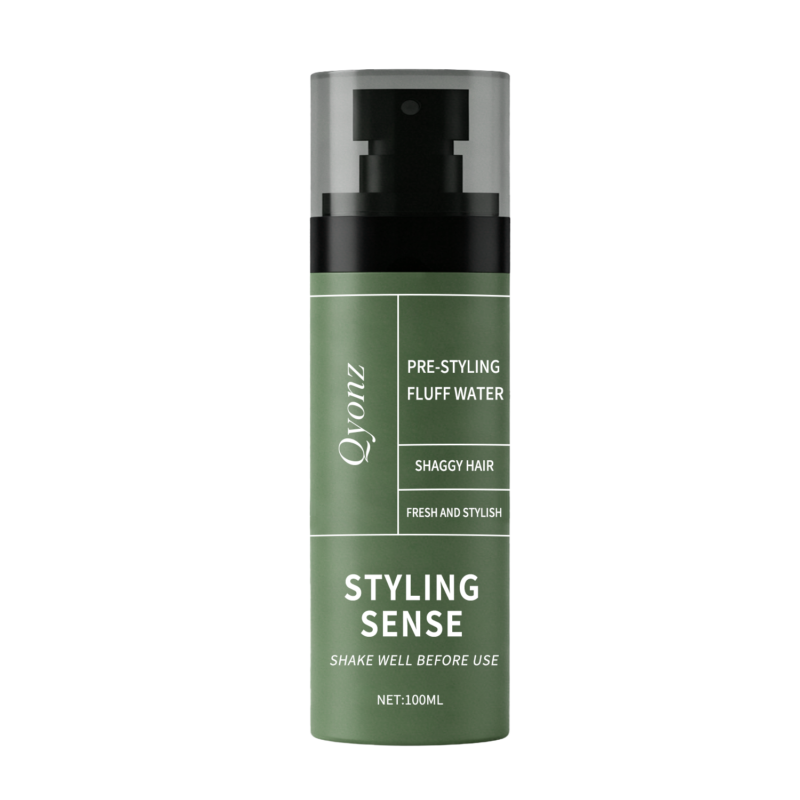
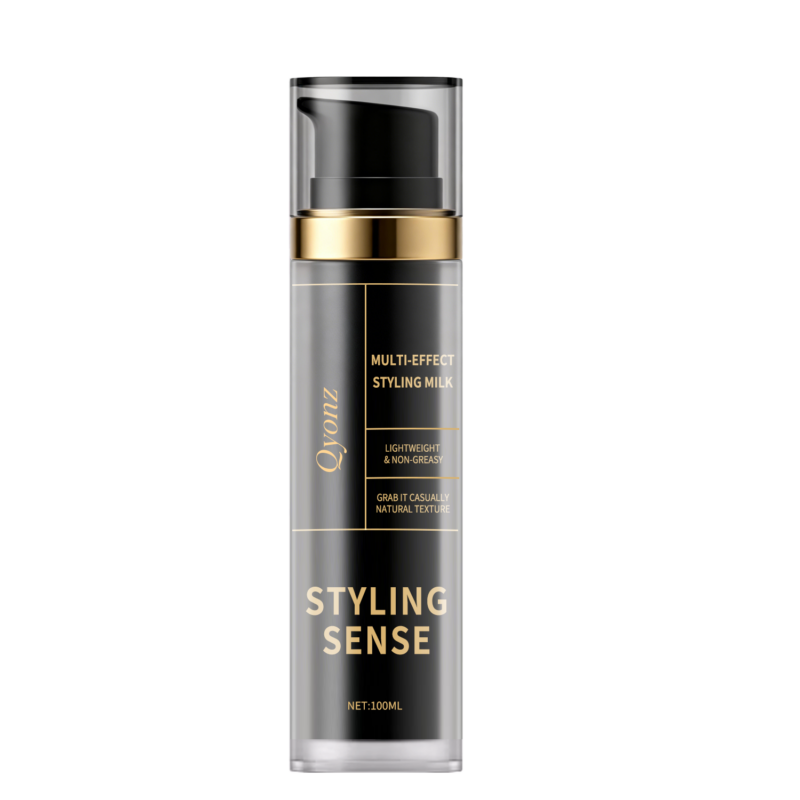
El fin del crujiente y los copos blancos: La arquitectura de polímeros líquidos como alternativa definitiva a la sal marina en spray para marcas blancas
En la peluquería masculina, el “grano” ya no es un argumento de venta: el rendimiento sin estrés del cuero cabelludo sí lo es. Los sprays tradicionales de sal marina crean textura por deshidratación, lo que a menudo provoca un tacto quebradizo, falta de brillo y rechazo por parte de los clientes. Los polvos texturizantes pueden levantar el cabello, pero aumentan las quejas por residuos y acumulación. La solución de nueva generación es la Arquitectura de Polímero Líquido (LPA): una microniebla de base acuosa y sin aerosol que forma una red de polímero flexible para levantar las raíces y aportar una textura reelaborable, sin crujidos ni escamas blancas. En este artículo se explica el cambio químico, qué se debe especificar cuando se adquiere una fórmula de marca blanca y cómo la fabricación basada en el cumplimiento (procesos SDS/COA + ISO/GMP) reduce el riesgo de su lanzamiento en 2026.
Elegir un fabricante OEM de tintes capilares por etapas de la marca (Guía práctica)

La mayoría de las marcas no fracasan en la coloración porque hayan elegido la “fábrica equivocada”, sino porque han elegido el tipo de fabricante adecuado...
Por qué las marcas cambian de fabricante de tintes (y qué buscan a continuación)
Para muchas marcas de belleza, cambiar de fabricante OEM de tintes capilares no es una decisión repentina, sino el resultado...
Cumplimiento de la normativa sobre tintes capilares: SDS, COA y lo que las marcas deben preparar antes del lanzamiento
Por qué el cumplimiento es un factor decisivo en la fabricación de tintes capilares
Los tintes capilares y los productos de coloración se encuentran entre...
Marca blanca de tintes capilares con MOQ bajo: Cómo los lotes pequeños pueden cumplir las normas mundiales
El concepto erróneo de
Muchas marcas asumen que una producción de tintes capilares con un MOQ bajo significa una calidad ...
OEM de tintes sin amoníaco: cómo los fabricantes profesionales formulan sistemas más suaves
Por qué están de moda los tintes sin amoníaco
Los tintes sin amoniaco se han convertido en una de las peticiones de mayor crecimiento entre las marcas indie...
Fabricante OEM de tintes y productos de tinte para el cabello
MOQ bajo | Certificado ISO 22716 | Soporte completo de documentación de conformidad
✅ ISO 22716 Fábrica Certificada ✅ 12+ Color de Cabello & Color-Dep...
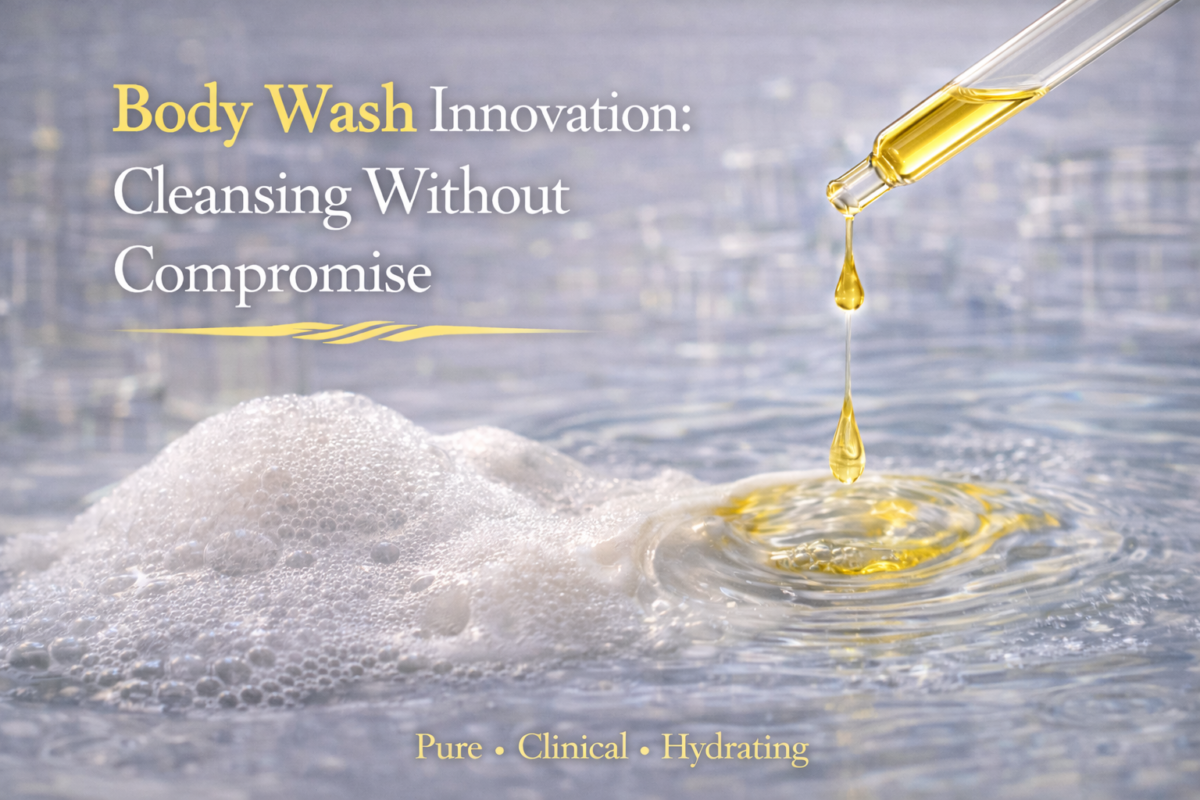
Innovación en jabones corporales: Limpieza sin concesiones
Los jabones corporales modernos ya no se limitan a limpiar: son una delicada ciencia de conservación de la barrera, hidratación y experiencia sensorial.
Qyonz OEM explica cómo el aceite de marula mejora los jabones corporales sin sulfatos para lograr un efecto limpio, suave y respetuoso con la piel, avalado por pruebas de laboratorio.
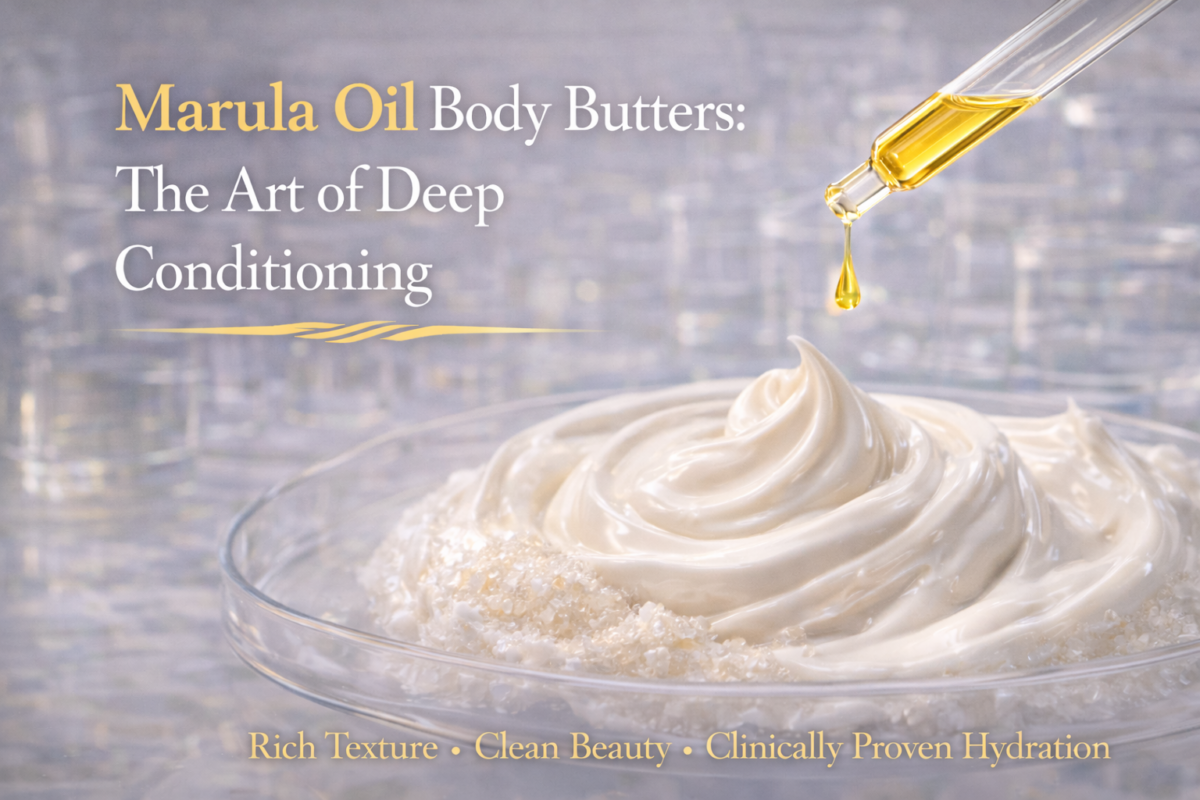
Mantecas Corporales de Aceite de Marula: El arte del acondicionamiento profundo
Ricas pero refinadas, las mantecas corporales son el símbolo definitivo de confort y cuidado.
Qyonz OEM explica cómo el perfil lipídico y la estabilidad antioxidante del aceite de marula permiten crear mantecas corporales ricas y no grasas que aportan una hidratación clínicamente probada y un placer sensorial.
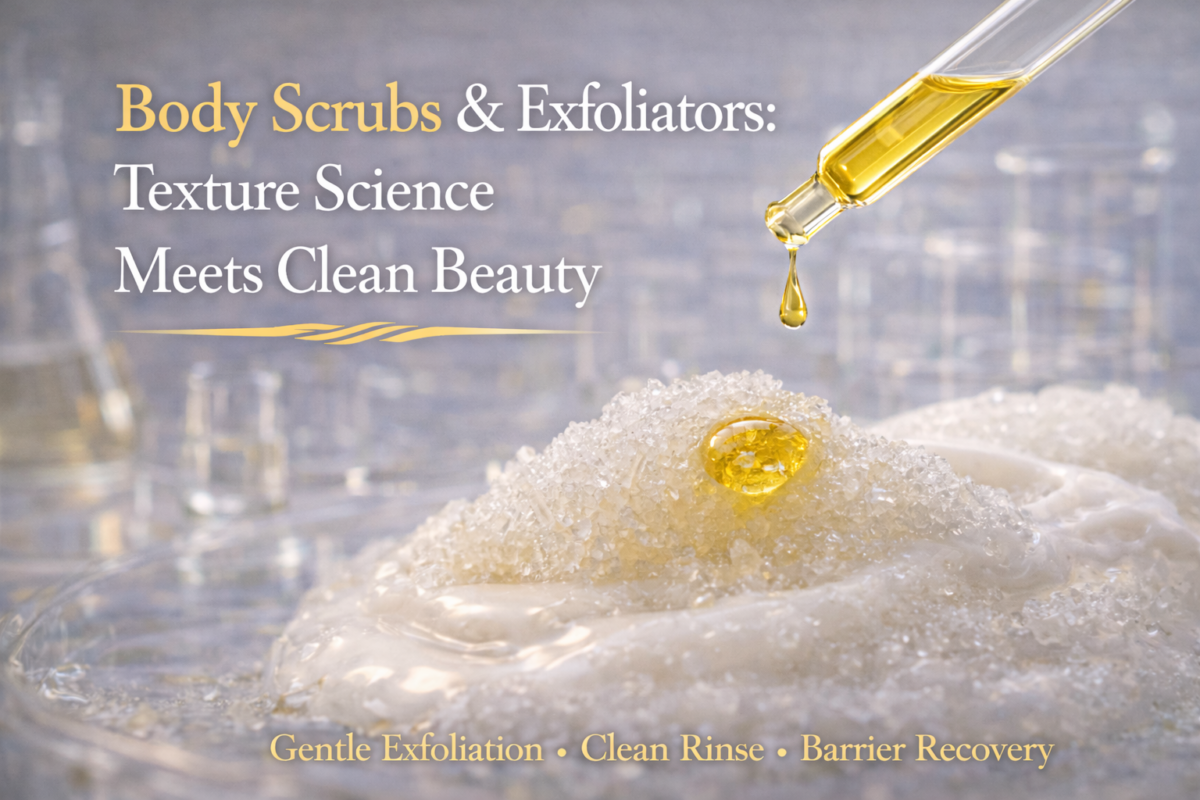
Exfoliantes corporales: La ciencia de la textura se une a la belleza limpia
La nueva generación de exfoliantes corporales combina ciencia y cuidado sensorial, exfoliando suavemente y restaurando la barrera cutánea.
Qyonz OEM explora cómo el aceite de marula y los exfoliantes naturales redefinen la formulación de los exfoliantes corporales, equilibrando el rendimiento de la textura con los principios de la belleza limpia.