



についての誤解
多くのブランドは次のように考えている。 低いMOQのヘアカラーの生産 妥協したク
現実には、低いMOQが必要である。 より正確なプランニングとより強力な品質管理-スタンダードを減らすのではなく。.
専門的なOEMパートナーは、小ロットの生産に対応し、生産性を低下させることはありません。
新興ブランドにとって低MOQが重要な理由
低MOQ生産により、ブランドは
- スケーリング前に計算式を検証する
- 複数の色合いやバリエーションをテストする
- 在庫リスクの軽減
- 市場からのフィードバックに素早く対応する
この柔軟性は、パフォーマンスのフィードバックがリピートオーダーに直結するヘアカラーでは特に価値がある。.
OEMが低いMOQで品質を維持する方法
認定OEMメーカーは、低MOQで標準を維持する:
- 管理されたパイロットバッチの実施
- 完全なGMP手順の適用
- 安定性試験、パッチテスト、染色堅牢度レポートを含む
量が少ないということは、決して “サンプルのみの品質 ”を意味すべきではない。”
低MOQヘアカラーOEMから最も恩恵を受ける人
低MOQサービスは理想的です:
- インディーズブランドが初のカラーラインを発表
- 独自のシェードをテストするサロンチェーン
- DTCブランドが限定コレクションを発表
適切なOEMパートナーがいれば、小ロットでも大規模生産と同じ基準を満たすことができる。.
関連記事
低MOQをサポートする準拠染毛剤製品製造パートナーを評価する場合、,
染毛剤のOEM製造サービスについては、当社の完全ガイドを参照してください:
👉 https://qyonz.com/hair-color-color-depositing-products-oem-manufacturer/
関連記事
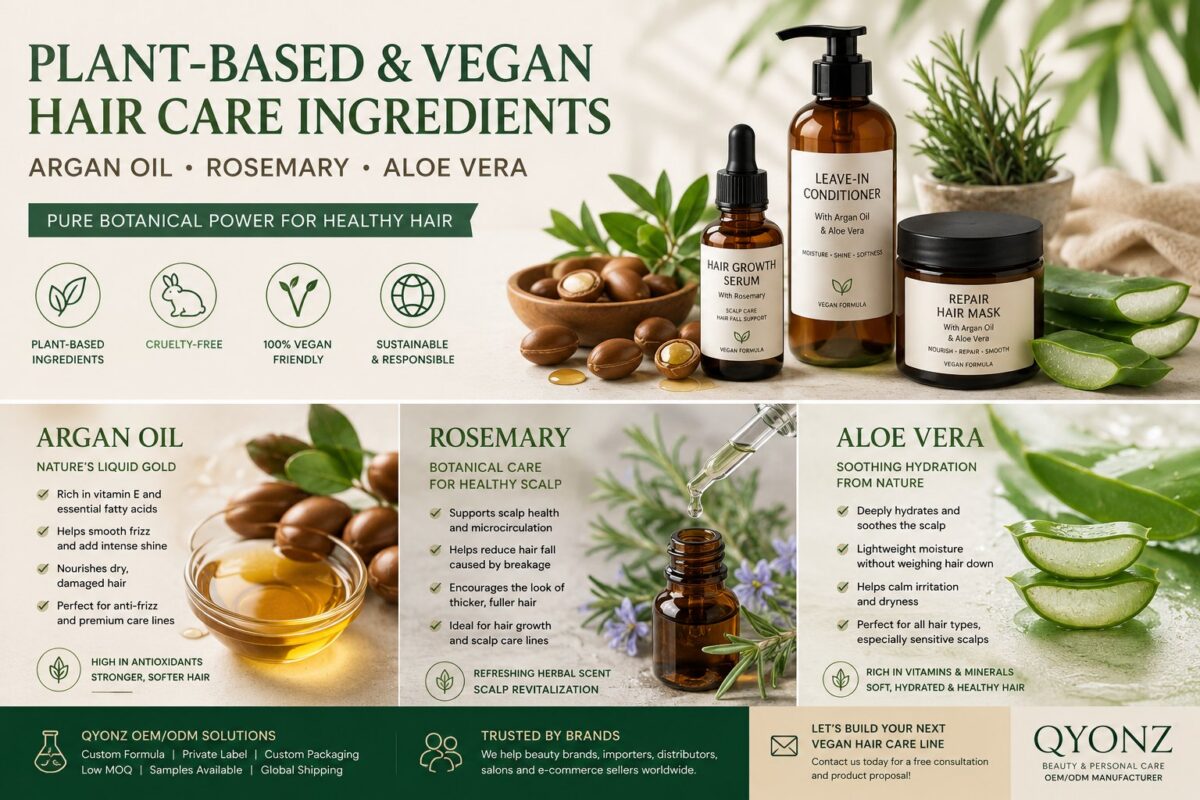
Private Label Vegan Hair Care Ingredients: Argan Oil, Rosemary and Aloe Vera for Global Brands
This article explains how beauty brands, importers, distributors, salons and ecommerce sellers can use argan oil, rosemary and aloe vera to build practical plant-based and vegan hair care product lines. It covers ingredient positioning, vegan claim checks, product line strategy, channel value and Qyonz OEM/ODM support.
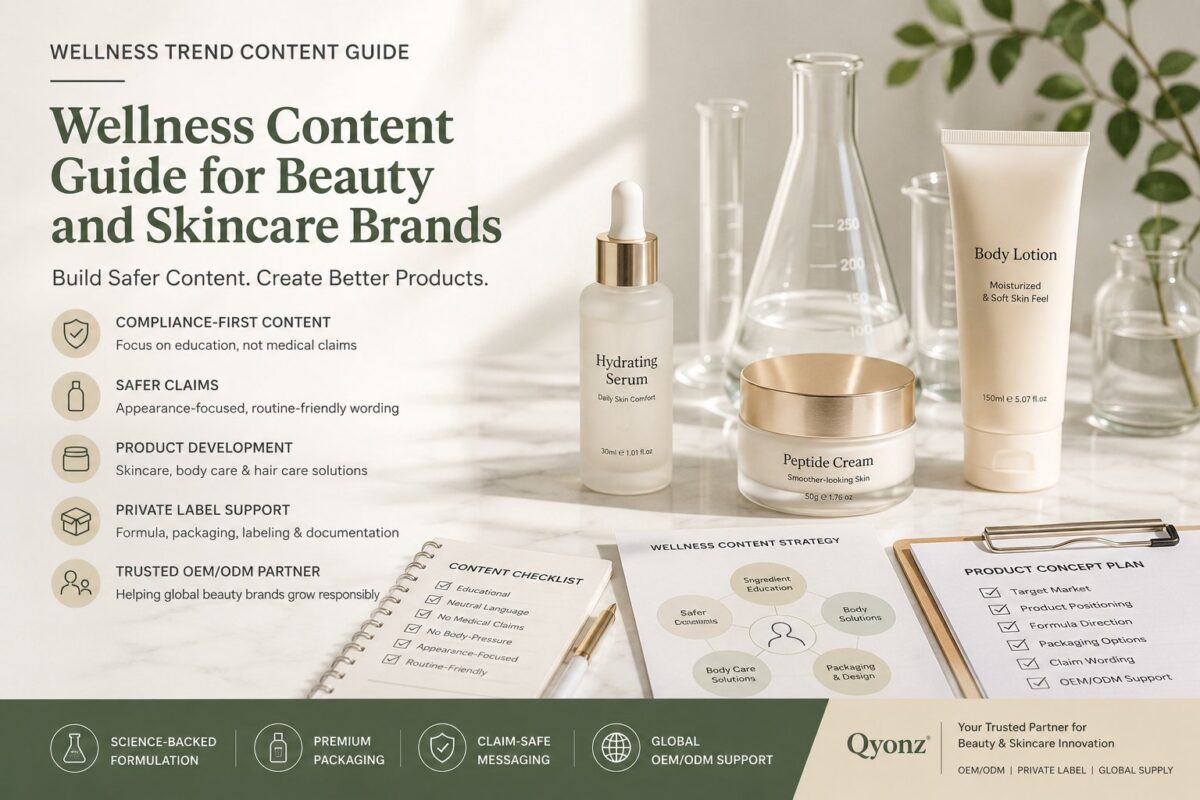
Wellness Trend Content Guide for Beauty and Skincare Brands
Wellness-related topics are becoming more visible in beauty, skincare, body care, and consumer lifestyle discussions. For beauty brands, the key is to create educational, neutral, and claim-safe content that supports responsible product positioning without making medical, body-result, or personal appearance promises. This guide explains how brands can build safer content frameworks for wellness-sensitive topics, including GLP-1-related market conversations.
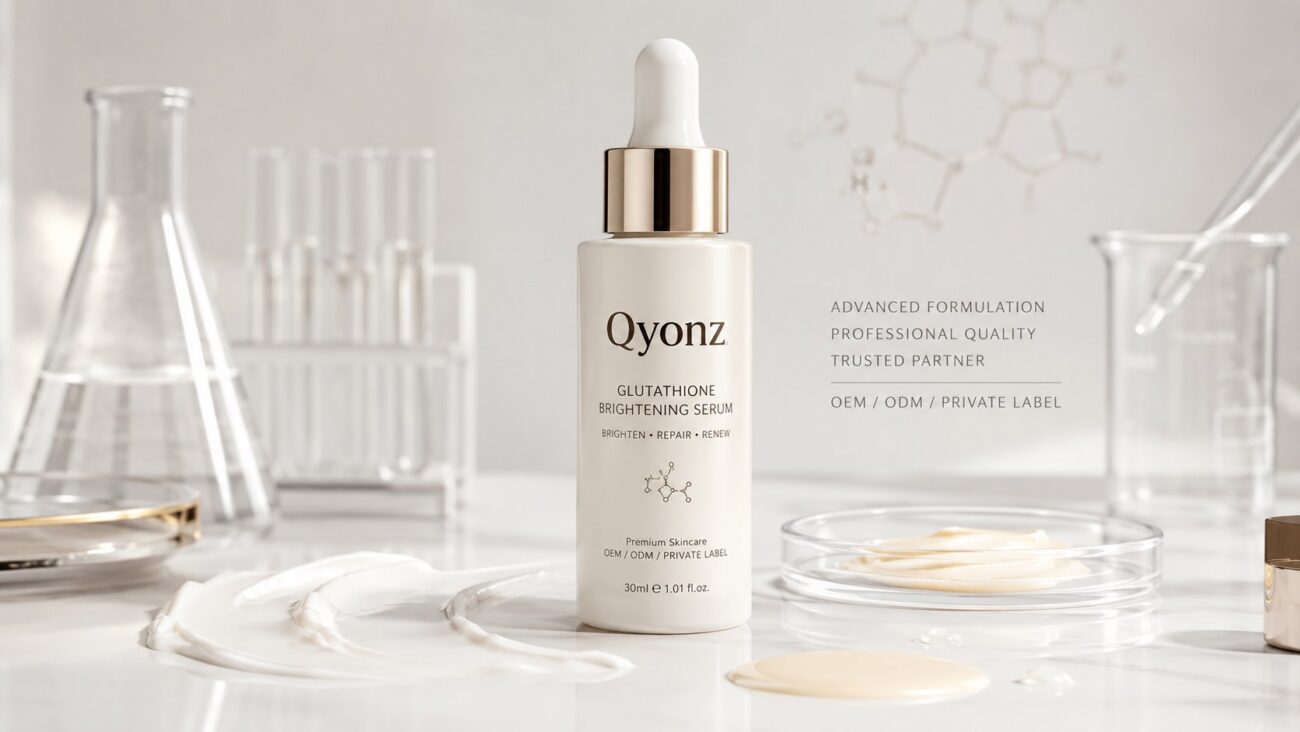
What Is Glutathione in Skincare? A B2B Formulation Guide
Glutathione is increasingly used in radiance-focused skincare, including serums, creams, masks, and body lotions. For beauty brands, the real value is not only the ingredient name but also the product format, ingredient pairing, safe claim wording, packaging strategy, and OEM/ODM development plan. This article explains how brands can develop glutathione skincare products with a B2B formulation mindset, supported by market context, search intent analysis, compliance references, and practical product development tables.
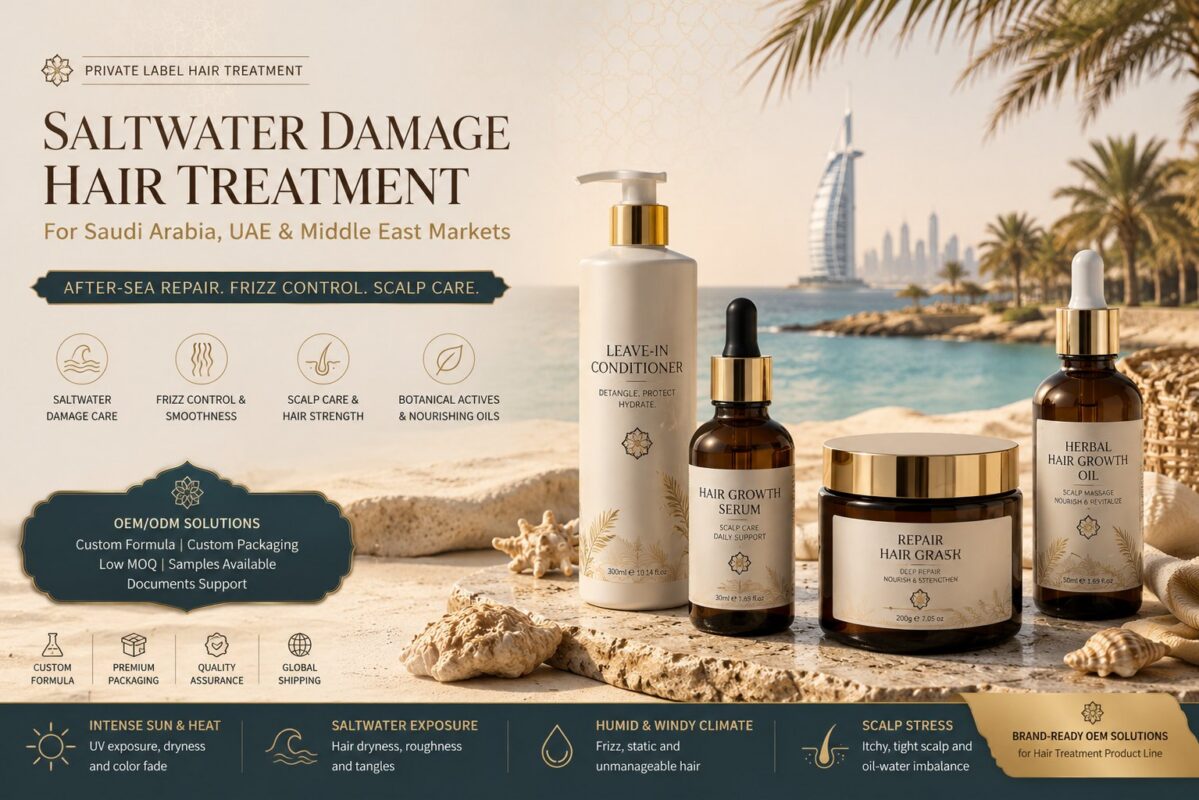
Private Label Hair Treatment Products for the Middle East: Saltwater Damage, Frizz and Scalp Care
This article explains how beauty brands, importers, distributors, salon suppliers and ecommerce sellers can develop a private label hair treatment line for Saudi Arabia, UAE and Middle East markets. It focuses on saltwater damage, frizz, dry hair, scalp care and after-sea repair, with practical product positioning for leave-in conditioner, repair hair mask, lightweight hair growth serum and herbal hair growth oil.
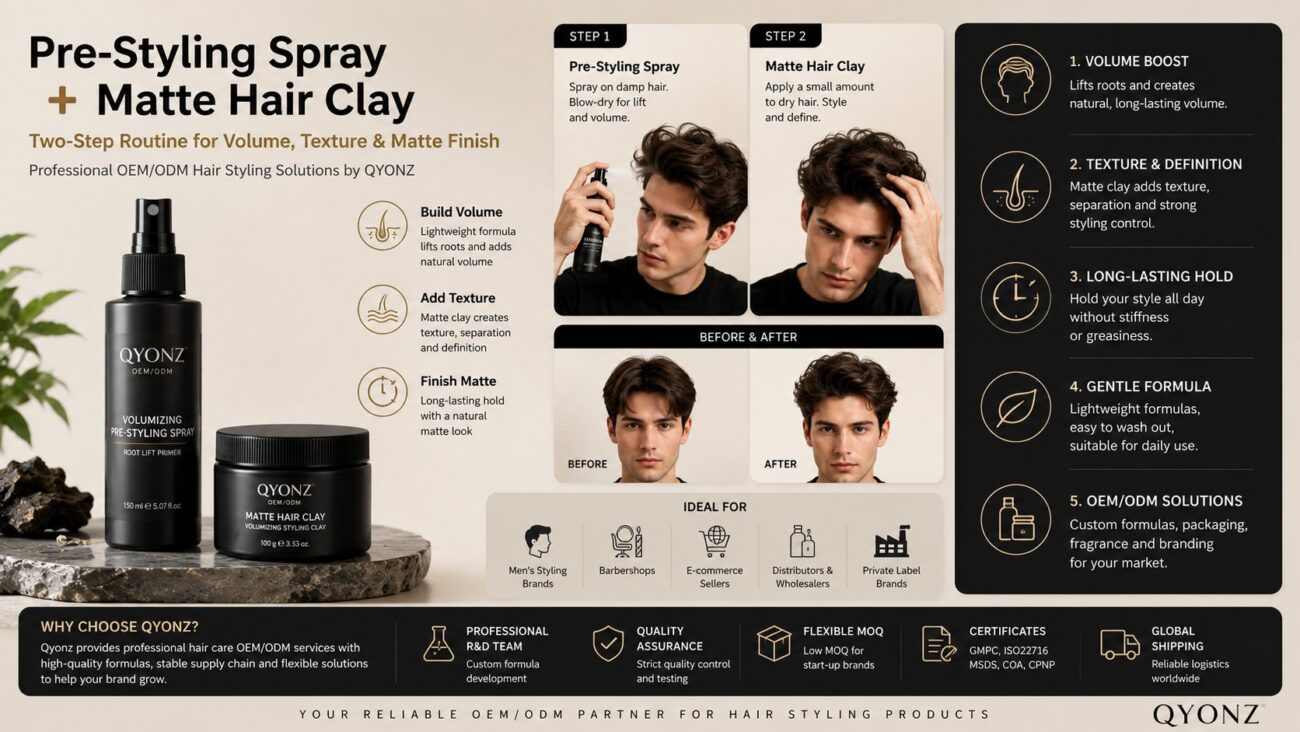
Pre-Styling Volumizing Spray and Matte Hair Clay OEM Guide for Men’s Styling Brands
Learn how men's styling brands can build a two-step product line with volumizing pre-styling spray and matte hair clay. This guide covers formula direction, packaging options, MOQ factors, sample testing and OEM project planning.
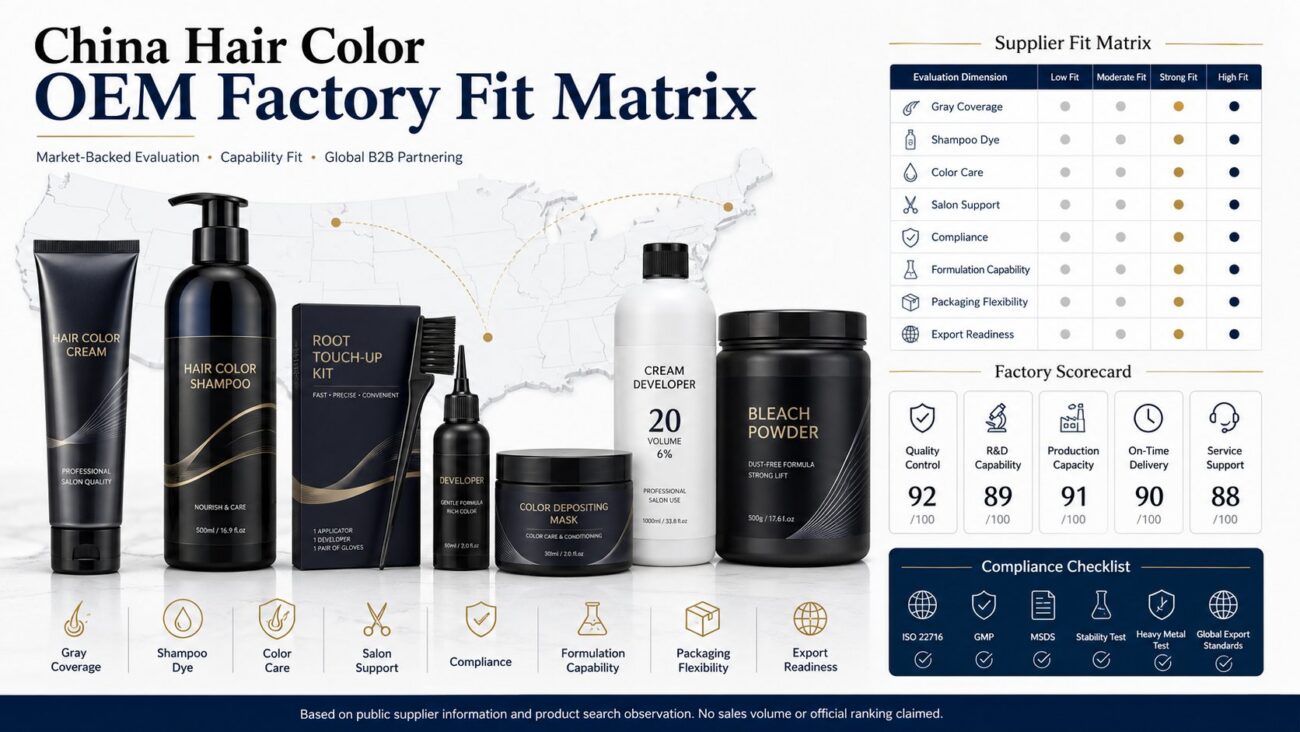
China Hair Color OEM Factories for U.S. Brands: A Supplier-Fit Ranking
This supplier-fit ranking analyzes China hair color OEM factories for U.S. private label buyers through public factory information, U.S. retail product signals, professional channel evidence and FDA hair dye compliance requirements.
New Zealand Hair Dye Launch Data: Why Gray Coverage Needs an Offline-First Plan and the Right China OEM Factory
This data-led blog analyzes New Zealand’s gray coverage hair dye opportunity through public demographic, digital, retail, product-format and cosmetic compliance signals. It also explains what kind of China OEM/ODM factory can help importers and private label buyers turn the market plan into a producible product line.
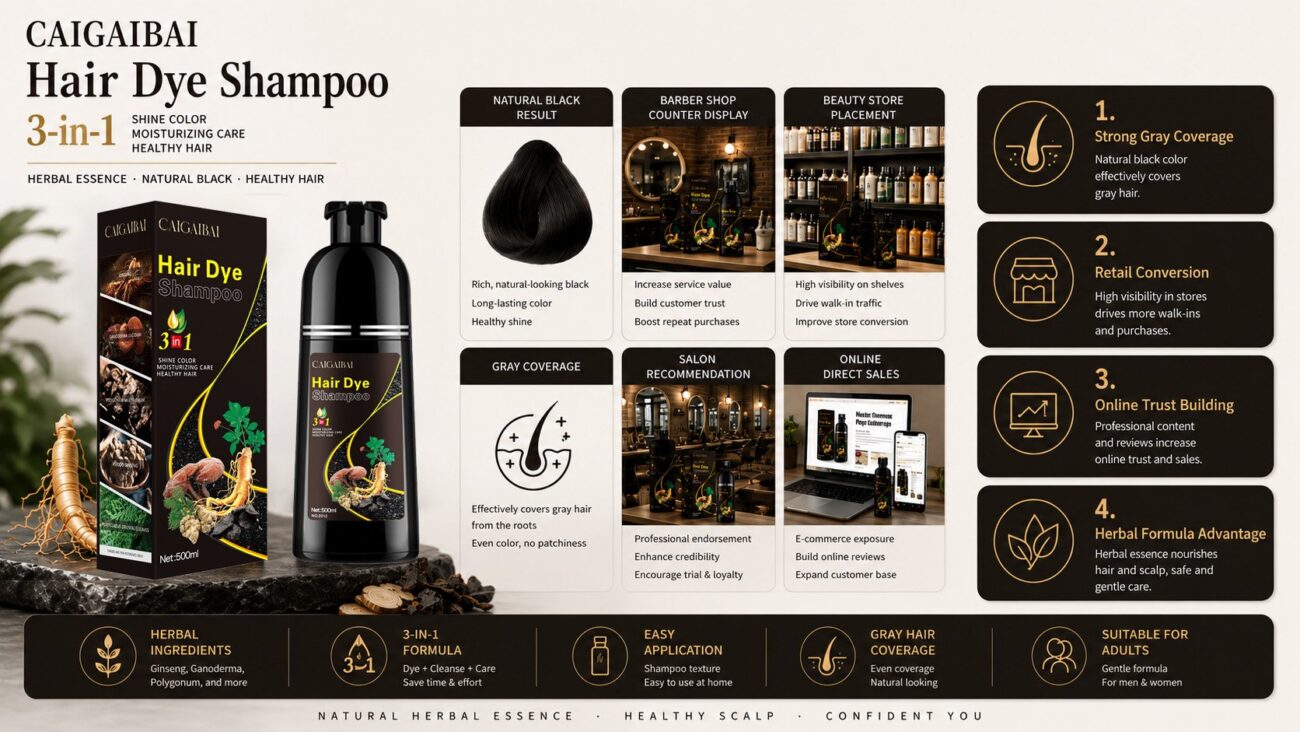
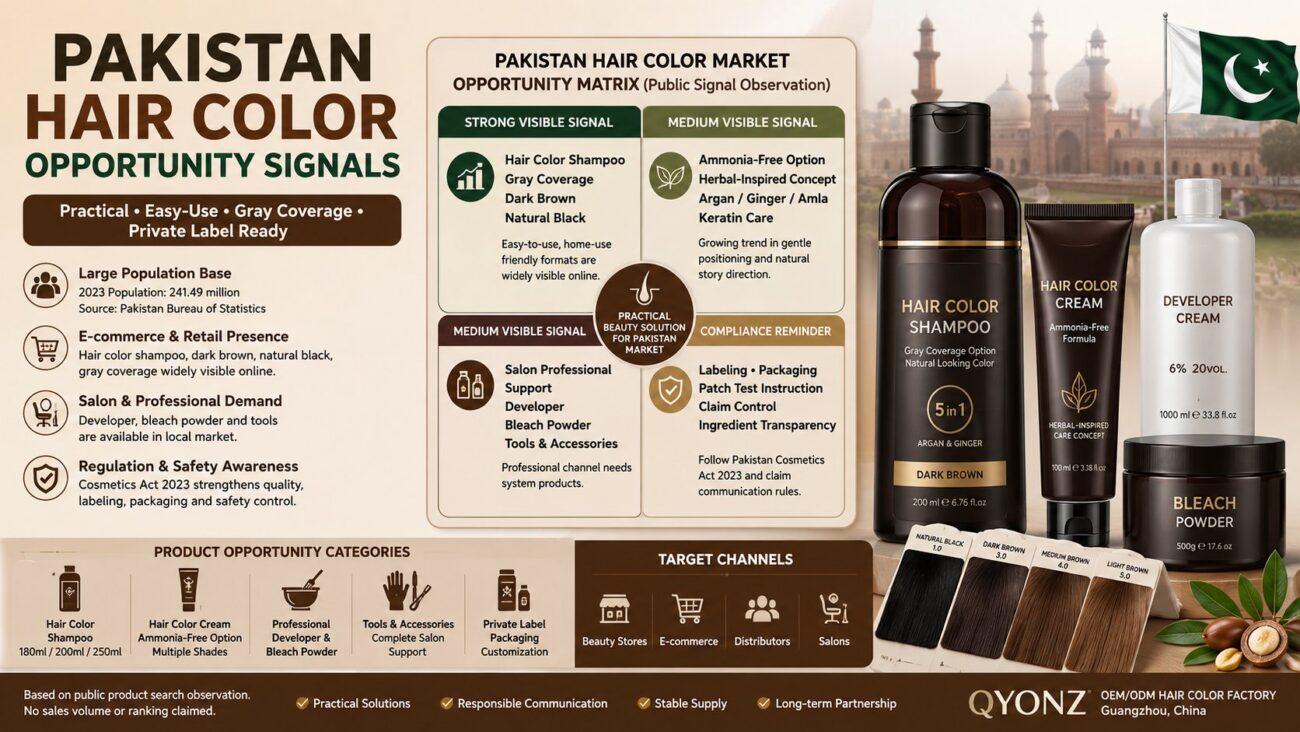
Pakistan Hair Color Shampoo Market: What B2B Buyers Should Know Before Launching a Private Label Line
Pakistan shows visible public product signals for hair color shampoo, dark brown and natural black shades, gray coverage options, and salon support products. This guide explains how importers, distributors, and private label brands can plan market-ready hair color SKUs without relying on unsupported sales claims.
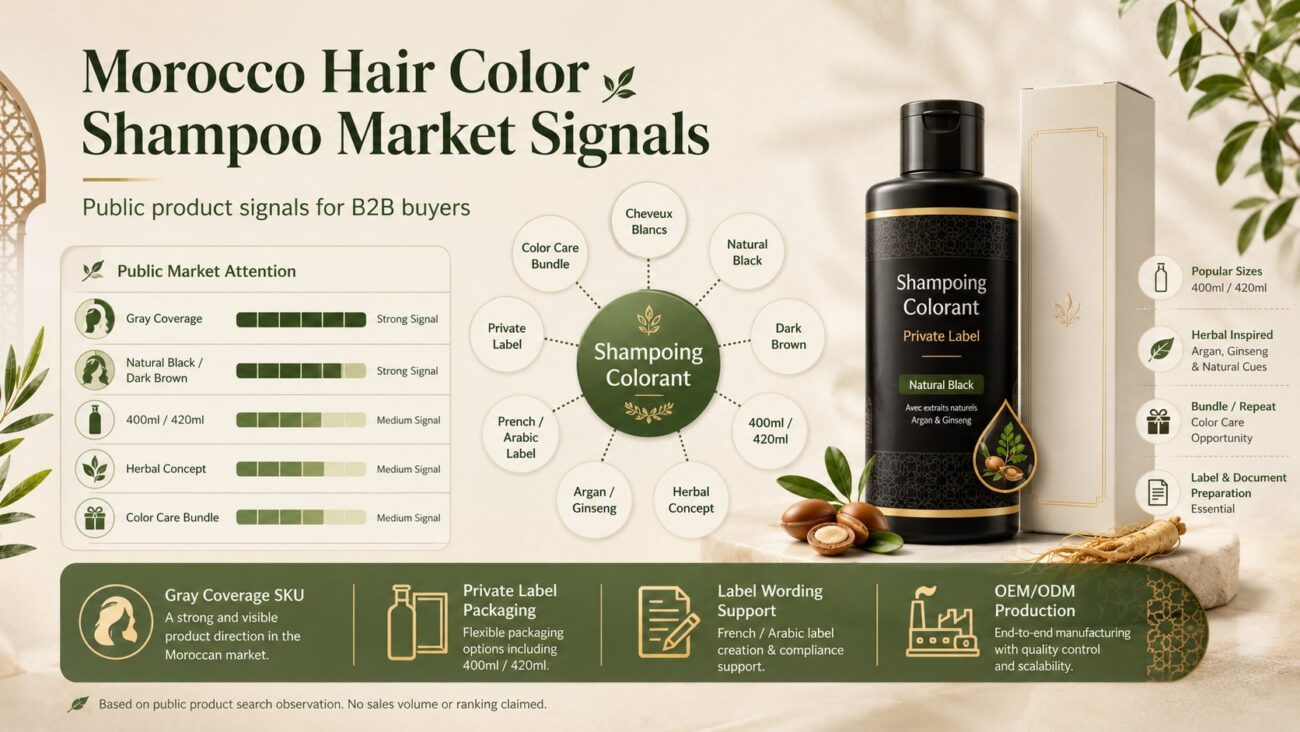
Morocco Hair Color Shampoo Buyer Guide: Private Label Gray Coverage Products
A B2B buyer guide for Morocco hair color shampoo importers, covering gray coverage shampoo, private label packaging, shade planning, compliance-aware wording and OEM production.
Private Label Hair Color Products for Kenya: How B2B Buyers Can Build a Complete Hair Dye Line
A B2B buyer guide for Kenya hair color importers, covering hair color shampoo, gray coverage products, ammonia-free dye cream, beard color, developer, bleach powder, color care and OEM private label planning.
フォーミュラから棚へ:クリーンビューティーのためのQYONZ製造工程の内側(EUおよび小売対応)
“「クリーン・ビューティー」は、もはやマーケティング上の謳い文句ではなく、コンプライアンス・ゲートである。小売業者や規制当局は、成分の透明性、追跡可能な製造、監査に耐えうる文書化をますます要求している。この記事では、QYONZが5つのステップ、すなわち、要件マッピング、テストデータによる反復的なラボサンプリング、ISO/GMPに沿った生産管理、パッケージの互換性とラベリングのサポート、発売後の変更管理を通じて、コンセプトを棚に並べることができるクリーンビューティーのプライベートブランド・ヘアケアに変える方法を紹介します。また、バッチごとのSDS/COA、トレーサブルなQC記録、EUに準拠した要件をサポートするように設計された文書化ワークフローなど、「根本的な透明性」が実際にどのようなものかをご覧いただけます。.
ヘアケアOEM製造においてMOQとコンプライアンスがこれまで以上に重要になる理由 (2026 Playbook)
ほとんどの創業者は、MOQを工場の制限として扱っているが、ヘアケアOEM製造では、MOQが単位経済性、パッケージングへのアクセス、在庫リスク、そして規模拡大のスピードを決定する。超少量生産(100~300個)はコストを押し上げ、パッケージングオプションを制限し、一方、10,000個以上のレガシーMOQは、製品と市場の適合性を検証する前にキャッシュフローを凍結させる可能性がある。1,000個というベースラインは、安定性テスト、パッケージングの互換性、より良い価格設定のために十分な大きさでありながら、運転資本を保護するのに十分な小ささであり、多くの場合、運用上のスイートスポットである。2026年には、コンプライアンスが第二の取引相手となる:ISO 22716/GMPプロセスに加え、SDS/COAや原材料の文書化により、上場廃止や小売拒否のリスクを軽減することができる。このガイドでは、バイヤーのチェックリストと調達チームのためのFAQで1,000 MOQ戦略を分解する。.