




관련 게시물
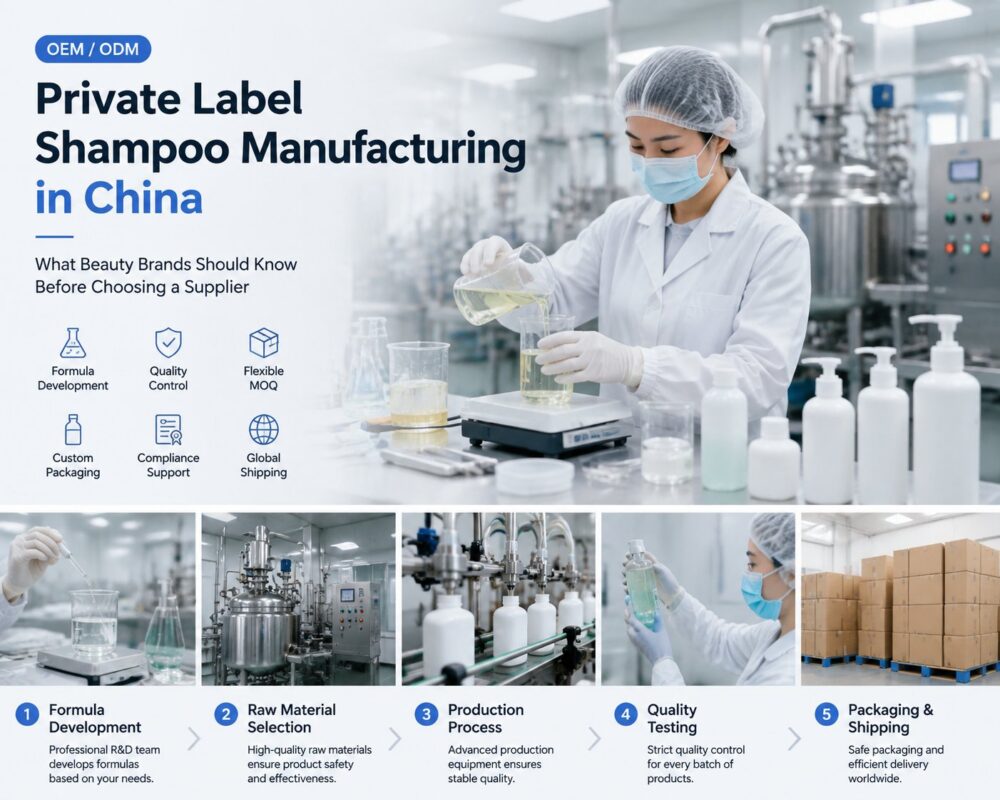
중국에서의 자사 브랜드 샴푸 제조: 뷰티 브랜드가 공급업체를 선정하기 전에 알아야 할 사항

뷰티 브랜드들이 중국에서 자사 브랜드 샴푸 제조업체를 선정하는 방법, 즉 처방 개발, 최소 주문 수량(MOQ), 포장, 품질 관리, 테스트 및 OEM 생산 과정을 알아보세요.

중국에서 프라이빗 라벨 샴푸 제조업체를 선택하는 방법
중국에서 프라이빗 라벨 샴푸 제조업체를 선정하는 방법, 즉 제형 개발, 최소 주문 수량(MOQ), 포장, 테스트, 규정 준수 및 OEM 생산 공정에 대해 알아보세요.
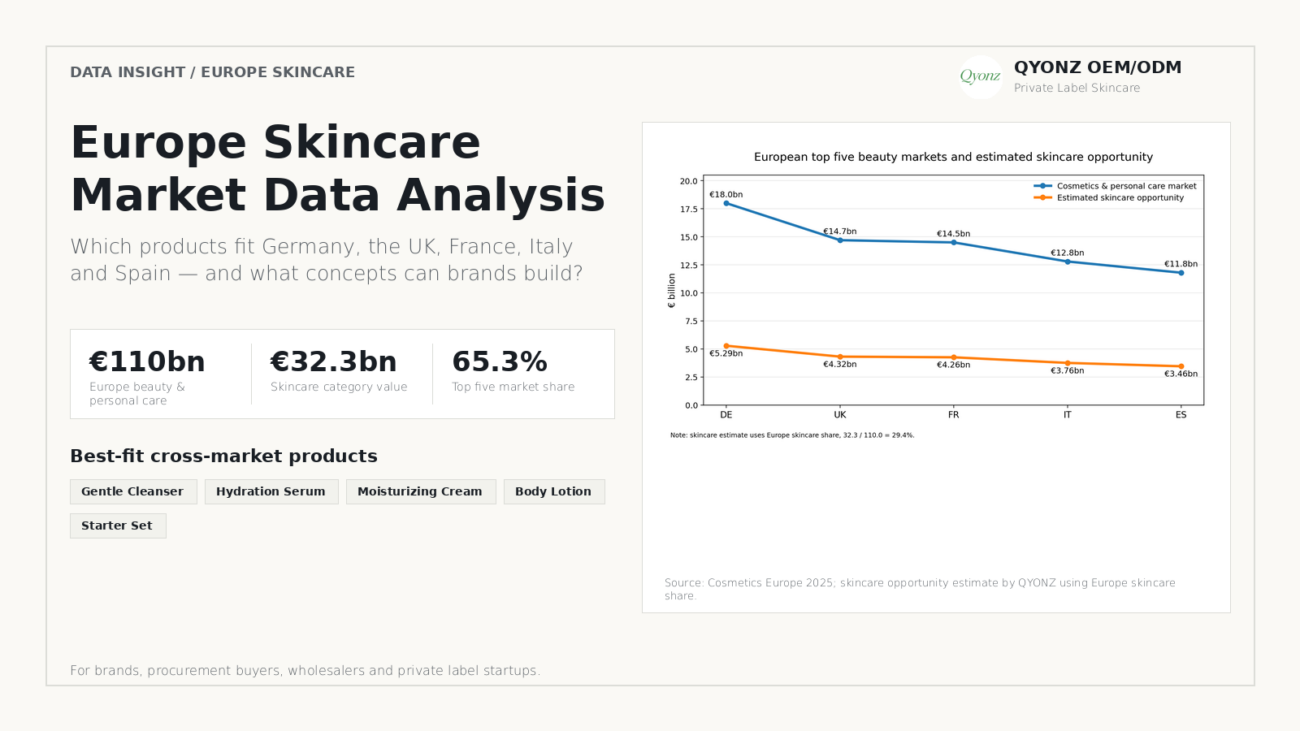
유럽 5개국 스킨케어 시장 데이터 분석: 독일, 영국, 프랑스, 이탈리아, 스페인에서 어떤 제품을 개발하는 것이 적합할까?
이 기사는 시장 데이터를 바탕으로 독일, 영국, 프랑스, 이탈리아, 스페인 등 유럽의 5대 주요 스킨케어 시장에서 제품 출시 기회를 분석합니다. 시장 규모, 기회 규모 추정, 제품-시장 적합성, 컨셉-시장 적합성, OEM/ODM 및 프라이빗 라벨 개발과 같은 요소를 검토함으로써, 이 기사는 브랜드, 바이어, 도매업체 및 스킨케어 스타트업이 특정 유럽 시장에 가장 적합한 제품을 파악하고, 데이터를 실행 가능한 스킨케어 제품 개발 전략으로 전환하는 데 도움을 줍니다.
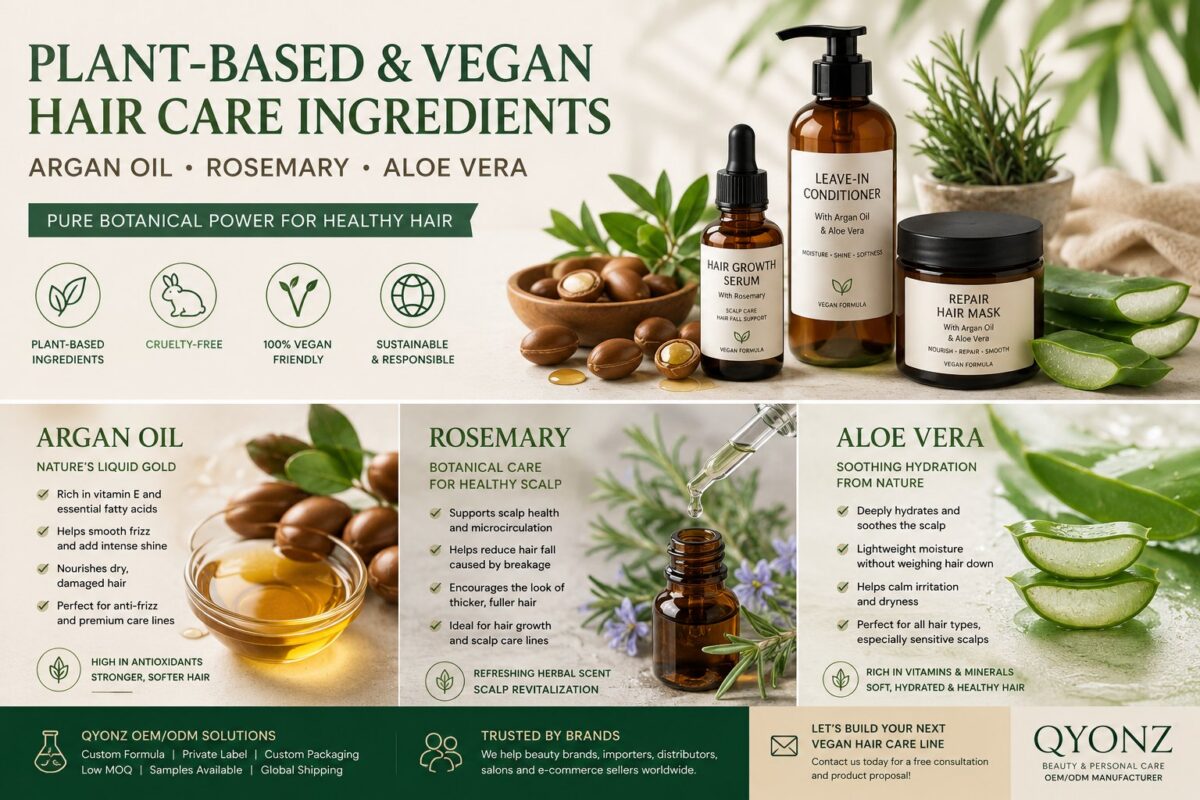
글로벌 브랜드용 프라이빗 라벨 비건 헤어 케어 원료: 아르간 오일, 로즈마리, 알로에 베라
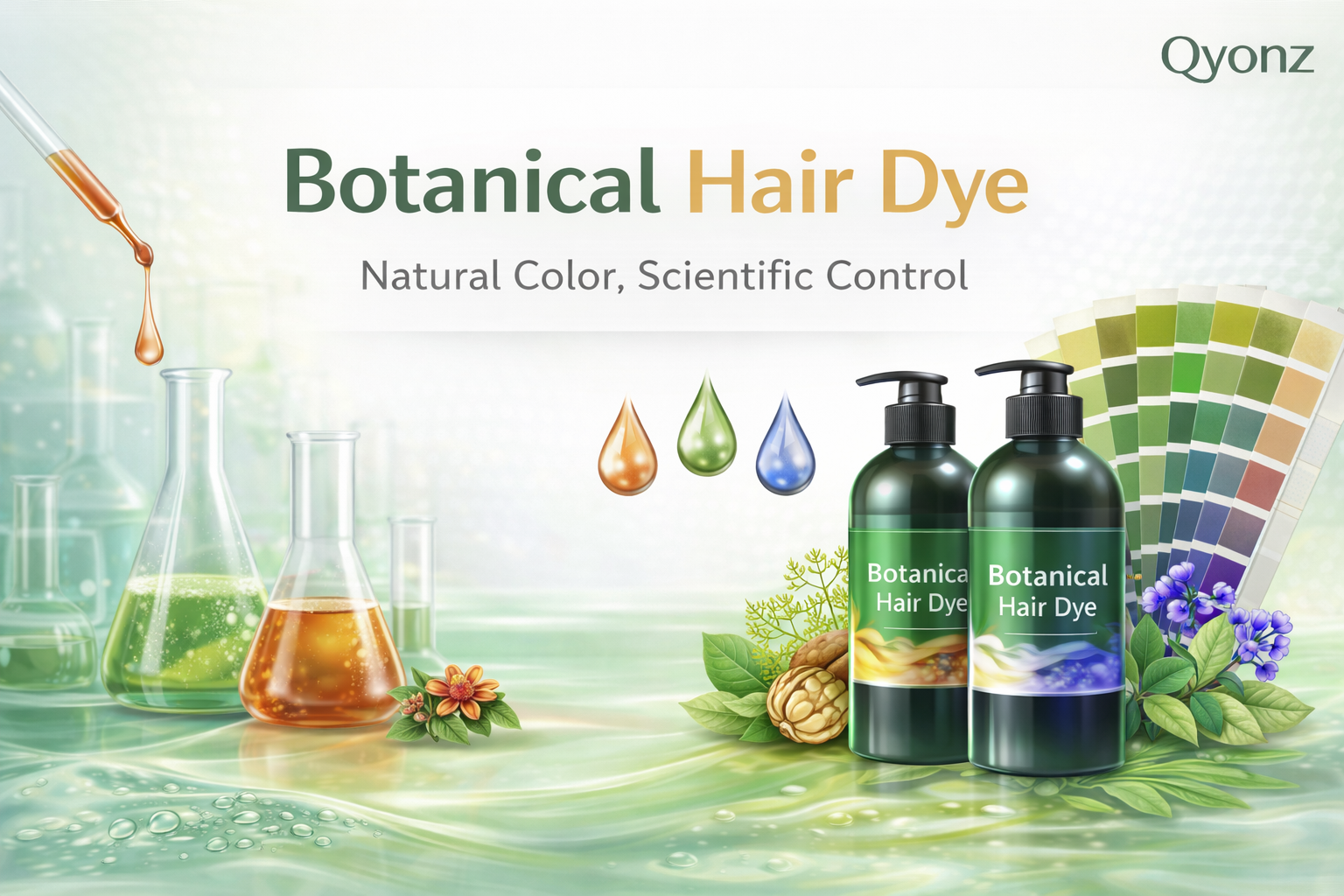
이 기사에서는 뷰티 브랜드, 수입업체, 유통업체, 미용실 및 전자상거래 판매자들이 아르간 오일, 로즈마리, 알로에 베라를 활용해 실용적인 식물성 및 비건 헤어 케어 제품 라인을 구축하는 방법을 설명합니다. 여기에는 원료 포지셔닝, 비건 표기 검증, 제품 라인 전략, 유통 채널의 가치, 그리고 Qyonz의 OEM/ODM 지원에 대한 내용이 포함됩니다.
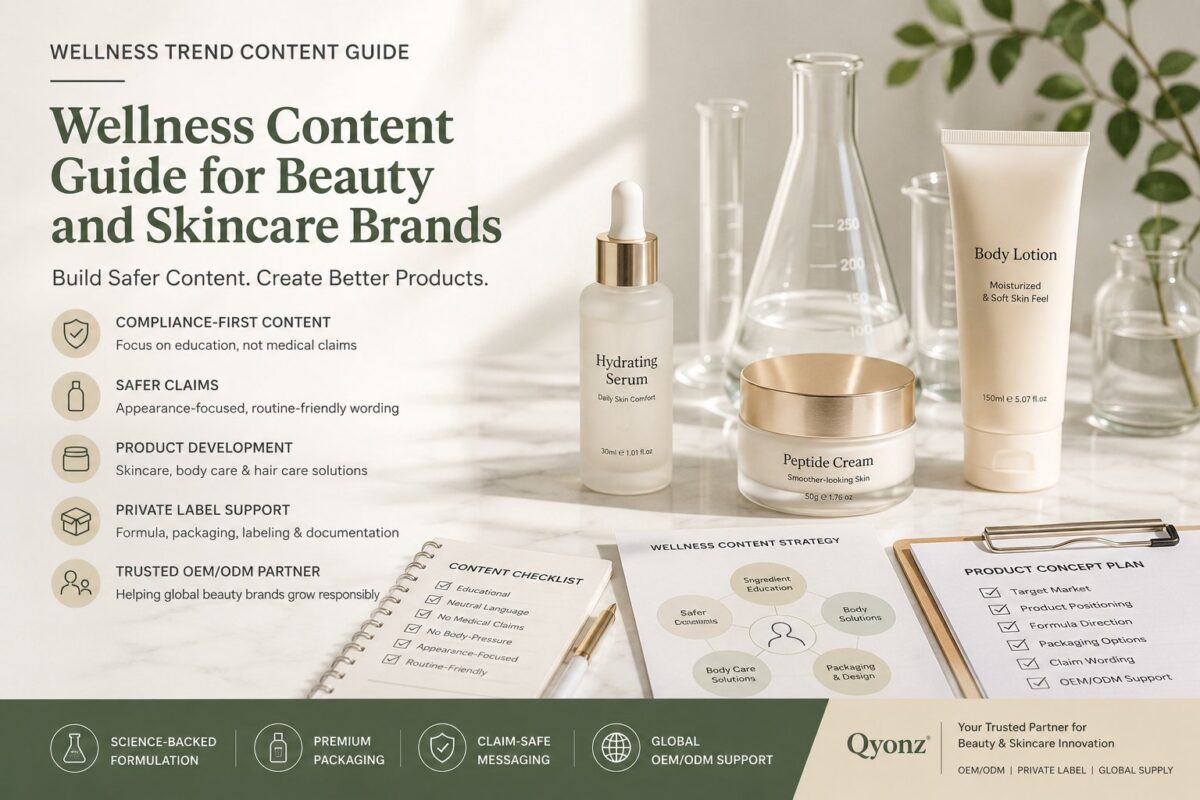
뷰티 및 스킨케어 브랜드를 위한 웰니스 트렌드 콘텐츠 가이드
뷰티, 스킨케어, 바디케어, 소비자 라이프스타일 관련 논의에서 웰니스 관련 주제가 점점 더 두드러지고 있습니다. 뷰티 브랜드의 경우, 의학적 효과나 신체적 변화, 외모 개선을 약속하지 않으면서도 책임감 있는 제품 포지셔닝을 뒷받침하는, 교육적이고 중립적이며 과장된 주장을 배제한 콘텐츠를 제작하는 것이 핵심입니다. 이 가이드는 GLP-1 관련 시장 논의 등 웰니스에 민감한 주제에 대해 브랜드가 보다 안전한 콘텐츠 프레임워크를 구축할 수 있는 방법을 설명합니다.
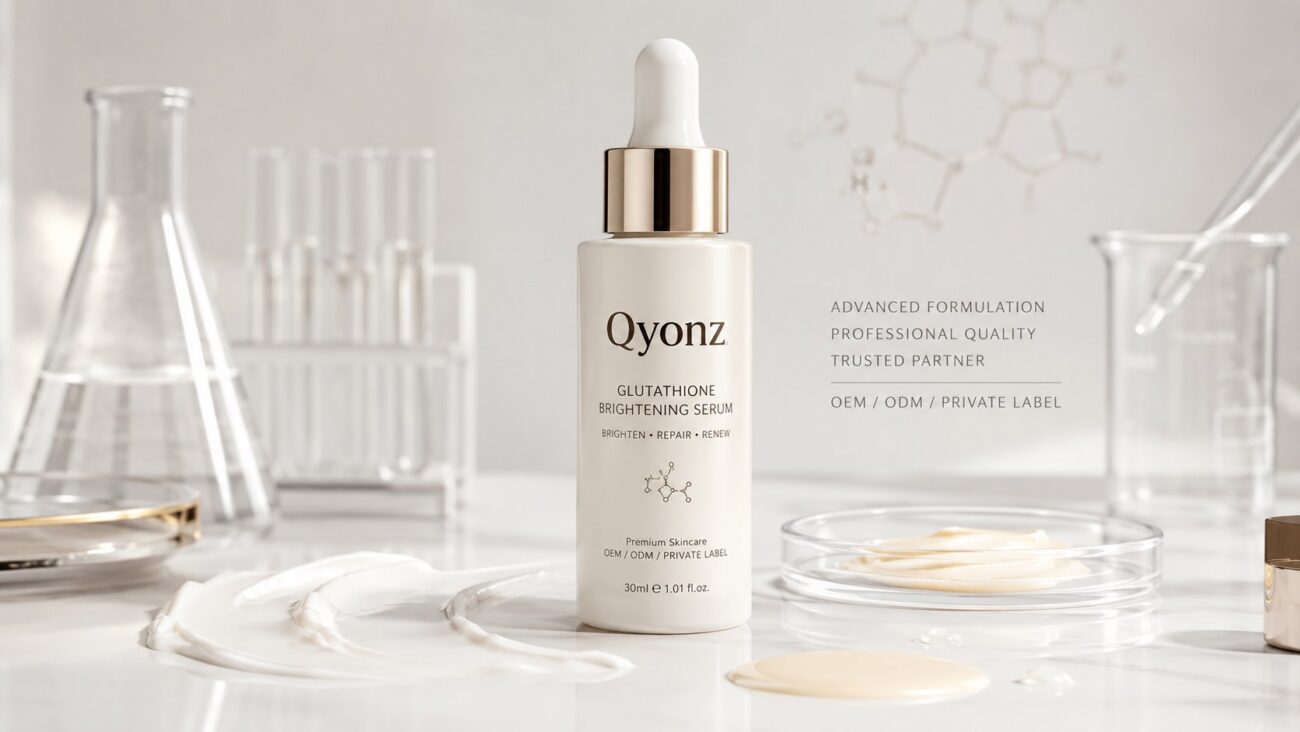
스킨케어에서 글루타티온이란 무엇인가? B2B 제형 가이드
글루타티온은 세럼, 크림, 마스크, 바디 로션 등 피부 광채에 중점을 둔 스킨케어 제품에서 점점 더 많이 사용되고 있습니다. 뷰티 브랜드에게 있어 진정한 가치는 단순히 성분 이름뿐만 아니라 제품 형태, 성분 조합, 안전한 효능 표기, 패키징 전략, 그리고 OEM/ODM 개발 계획에까지 이릅니다. 이 기사에서는 시장 상황, 검색 의도 분석, 규정 준수 참고 자료, 실용적인 제품 개발 표를 바탕으로, 브랜드가 B2B 제형 개발 관점을 적용해 글루타티온 스킨케어 제품을 개발할 수 있는 방법을 설명합니다.
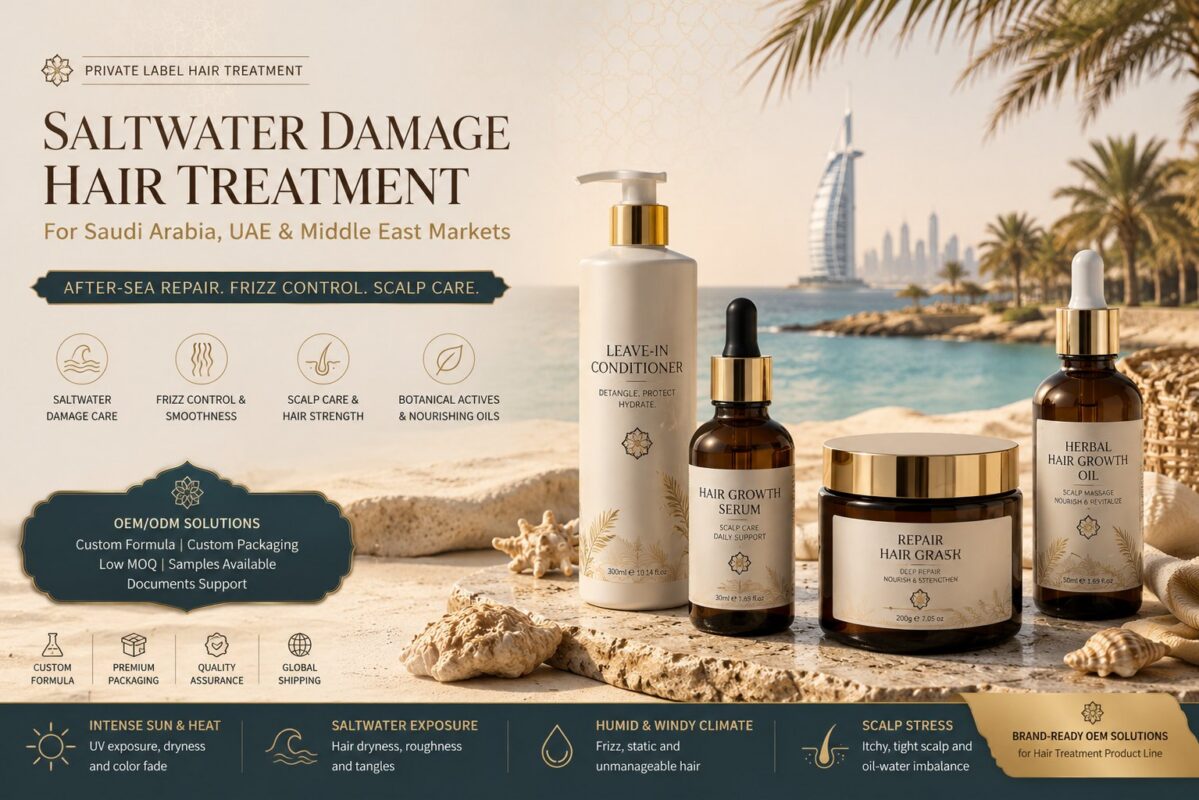
중동 시장을 위한 자체 브랜드 헤어 트리트먼트 제품: 염수 손상, 곱슬거림 및 두피 관리
이 기사에서는 뷰티 브랜드, 수입업체, 유통업체, 미용실 공급업체 및 전자상거래 판매자들이 사우디아라비아, 아랍에미리트(UAE) 및 중동 시장을 겨냥한 자체 브랜드 헤어 트리트먼트 라인을 개발하는 방법을 설명합니다. 이 글은 바닷물 손상, 곱슬거림, 건조한 모발, 두피 관리 및 해수욕 후 모발 회복에 중점을 두며, 리브인 컨디셔너, 리페어 헤어 마스크, 가벼운 모발 성장 세럼, 허브 모발 성장 오일에 대한 실용적인 제품 포지셔닝을 다룹니다.
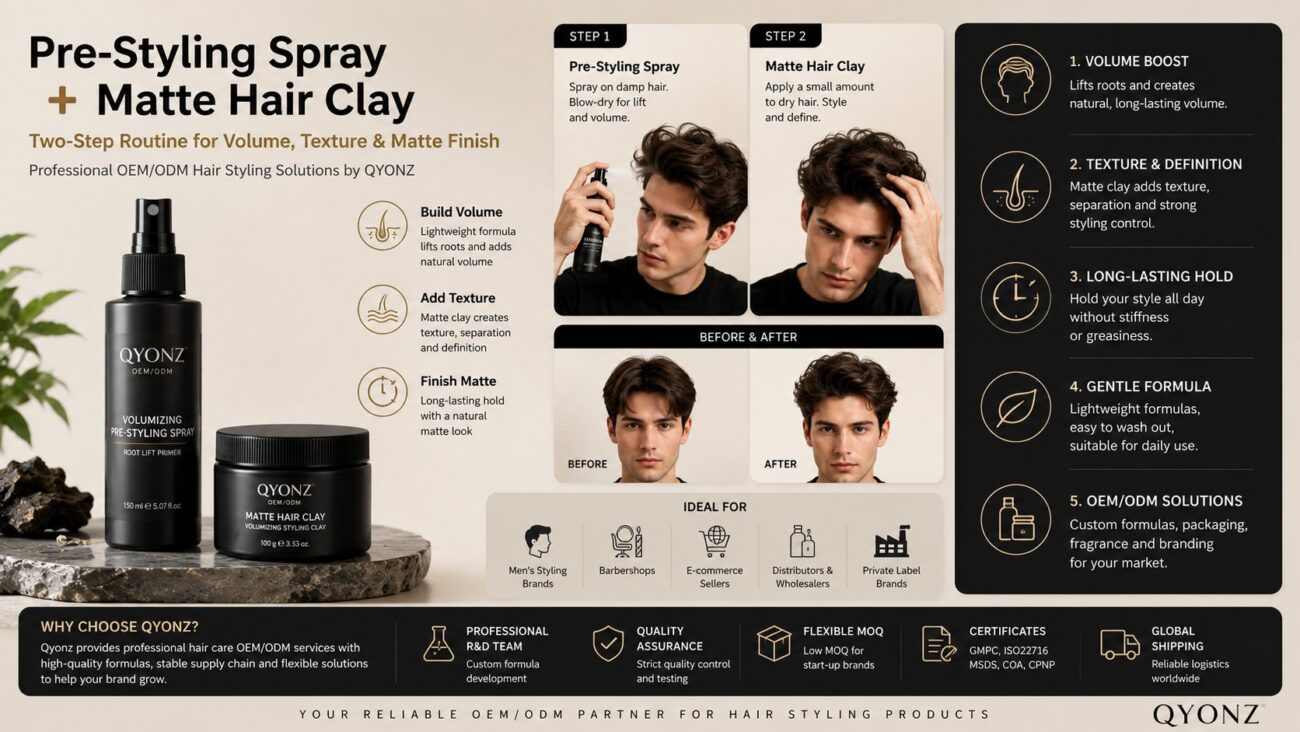
남성용 스타일링 브랜드를 위한 프리 스타일링 볼륨 스프레이 및 매트 헤어 클레이 OEM 가이드
남성용 스타일링 브랜드가 볼륨을 살려주는 프리 스타일링 스프레이와 매트 헤어 클레이로 구성된 2단계 제품 라인을 구축하는 방법을 알아보세요. 이 가이드에서는 제형 개발 방향, 포장 옵션, 최소 주문 수량(MOQ) 관련 고려 사항, 샘플 테스트 및 OEM 프로젝트 계획에 대해 다룹니다.
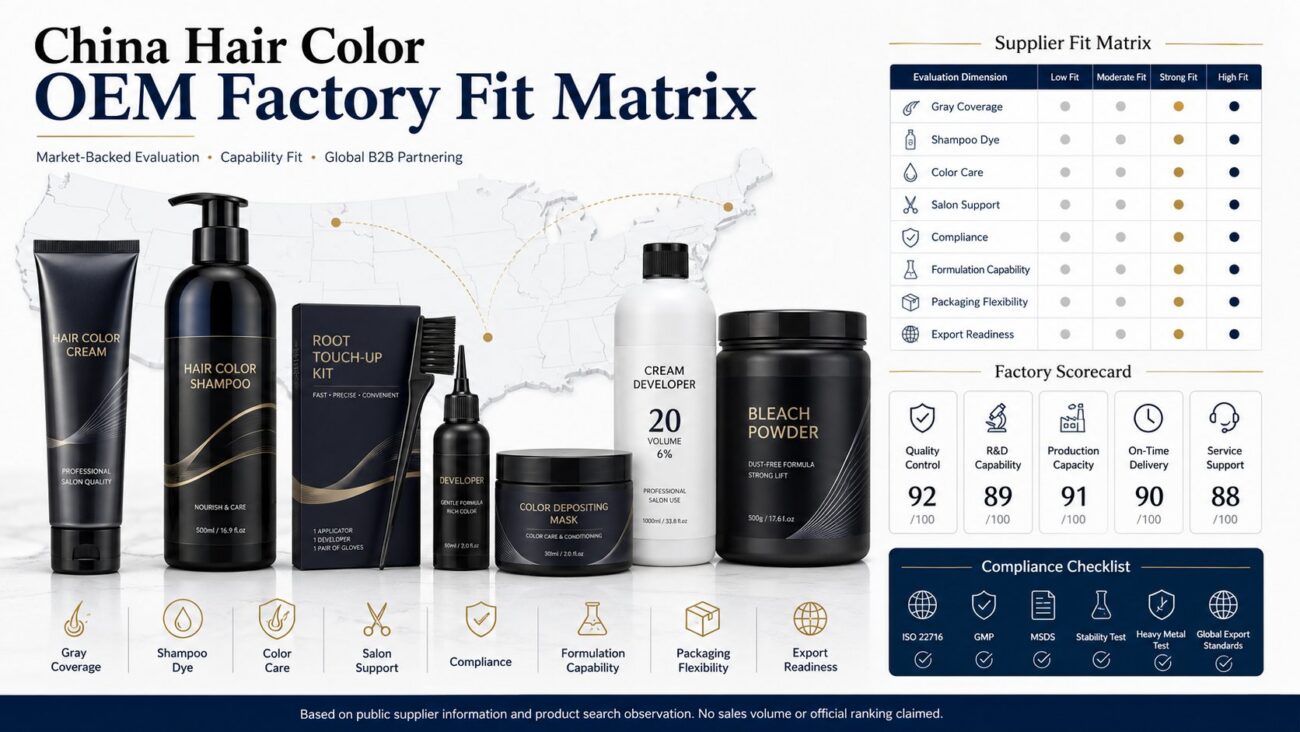
미국 브랜드를 위한 중국 헤어 컬러 OEM 공장: 공급업체 적합도 순위
이 공급업체 적합성 순위는 공개된 공장 정보, 미국 소매 제품 동향, 전문 유통 채널의 증거 자료 및 FDA 염모제 규정 준수 요건을 바탕으로, 미국 사설 브랜드 구매자들을 위해 중국의 염모제 OEM 공장을 분석한 것입니다.
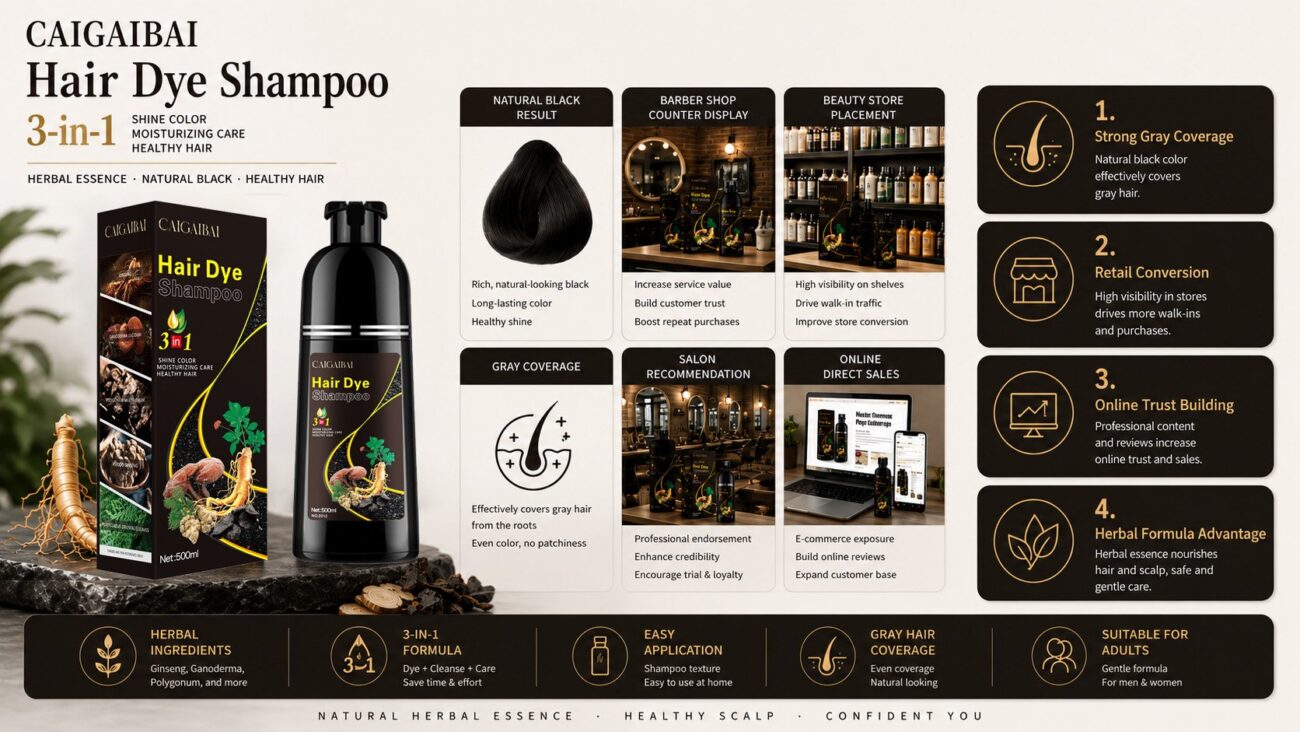
뉴질랜드 헤어 염색제 출시 데이터: 흰머리 커버를 위해서는 왜 오프라인 우선 전략과 적합한 중국 OEM 공장이 필요한가
이 데이터 기반 블로그는 공개된 인구통계, 디지털, 소매, 제품 형태 및 화장품 규정 준수 신호를 통해 뉴질랜드의 회색 머리 염색 시장 기회를 분석합니다. 또한 수입업체와 자사 브랜드 구매자들이 시장 계획을 실제 생산 가능한 제품 라인으로 구현하는 데 어떤 유형의 중국 OEM/ODM 공장이 도움이 될 수 있는지 설명합니다.
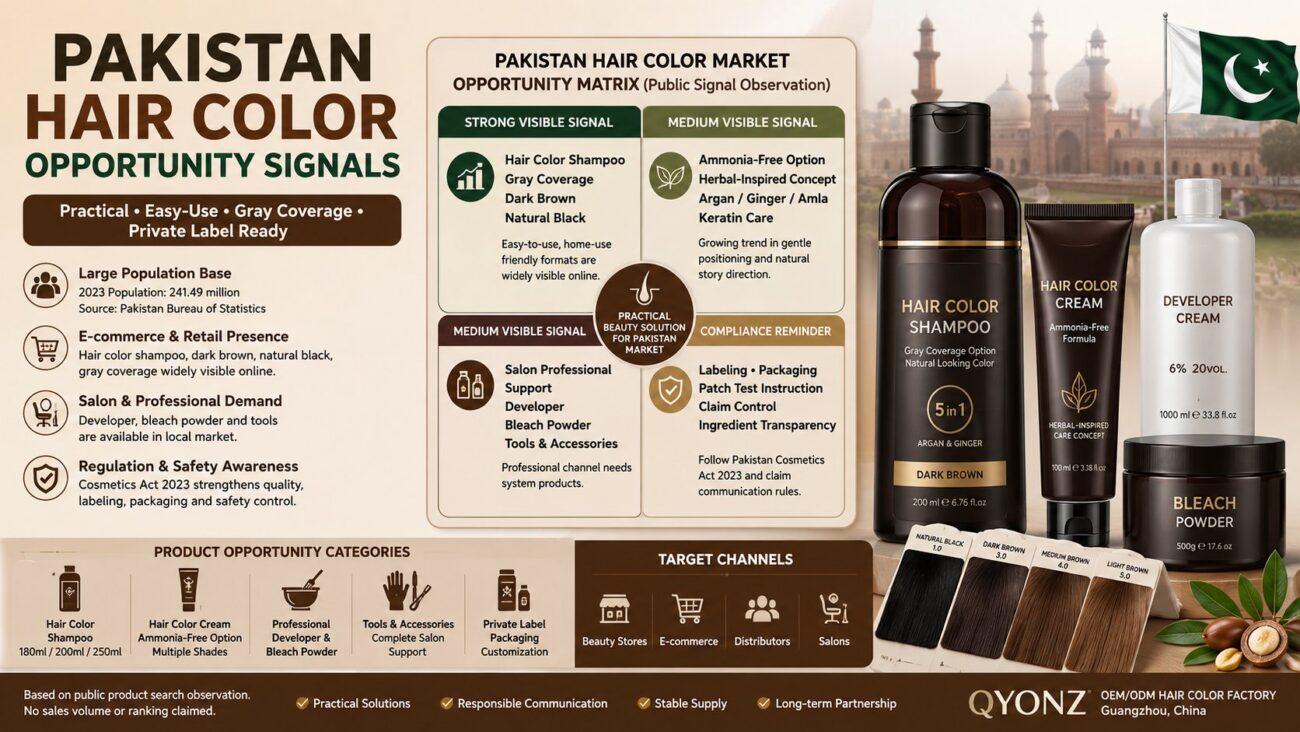
파키스탄 헤어 컬러 샴푸 시장: B2B 구매자가 자체 브랜드 라인을 출시하기 전에 알아야 할 사항
파키스탄에서는 헤어 컬러 샴푸, 다크 브라운 및 내추럴 블랙 색상, 흰머리 커버 제품, 그리고 미용실용 지원 제품에 대한 뚜렷한 시장 신호가 나타나고 있습니다. 이 가이드는 수입업체, 유통업체 및 자체 브랜드 업체들이 근거 없는 판매 주장에 의존하지 않고도 시장에 바로 출시할 수 있는 헤어 컬러 SKU를 어떻게 기획할 수 있는지 설명합니다.
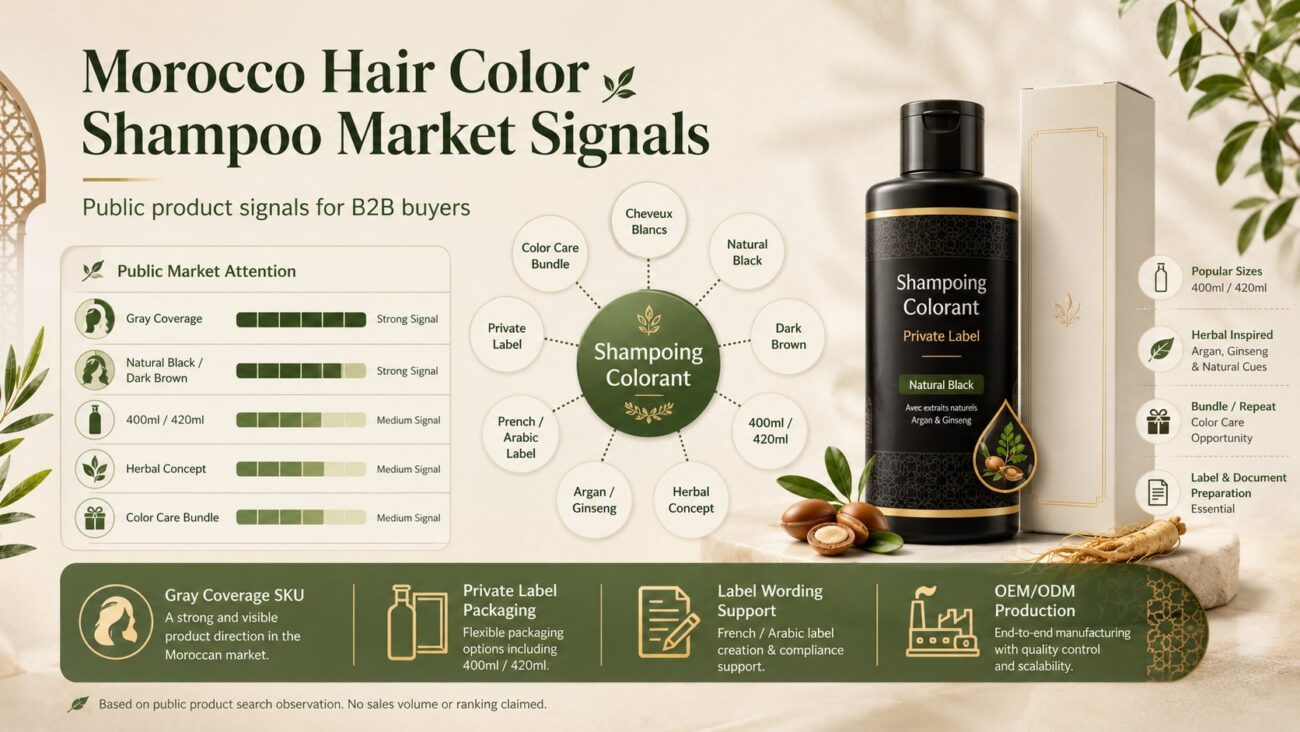
모로코 헤어 컬러 샴푸 구매 가이드: 자체 브랜드 회색 머리 커버 제품
모로코 헤어 컬러 샴푸 수입업체를 위한 B2B 구매 가이드로, 흰머리 커버 샴푸, 자사 브랜드 포장, 색상 기획, 규정 준수 관련 문구, OEM 생산 등을 다룹니다.