







관련 게시물

From Formula to Shelf: Inside the QYONZ Manufacturing Process for Clean Beauty (EU & Retail-Ready)

“Clean Beauty” is no longer a marketing claim—it’s a compliance gate. Retailers and regulators increasingly require ingredient transparency, traceable manufacturing, and documentation that stands up to audits. This article shows how QYONZ turns a concept into shelf-ready clean beauty private label hair care through a five-step system: requirement mapping, iterative lab sampling with test data, ISO/GMP-aligned production controls, packaging compatibility and labeling support, and post-launch change control. You’ll also see what “radical transparency” looks like in practice—SDS/COA per batch, traceable QC records, and documentation workflows designed to support EU-aligned requirements.
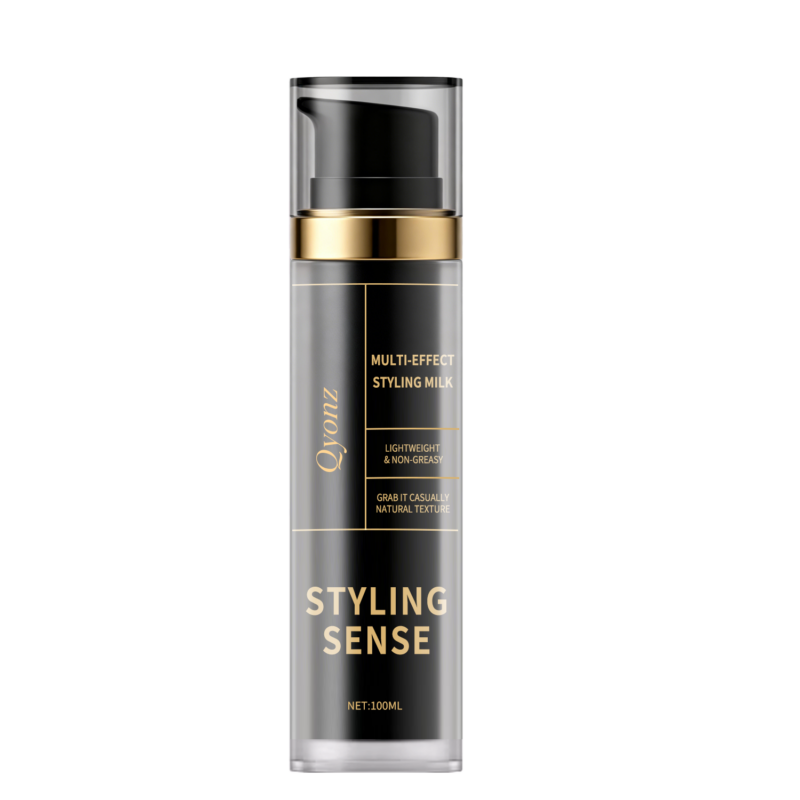
헤어케어 OEM 제조에서 MOQ와 규정 준수가 그 어느 때보다 중요한 이유(2026 플레이북)
대부분의 창업자는 MOQ를 공장 생산량 제한으로 간주하지만, 헤어케어 OEM 제조에서는 MOQ가 단위 경제성, 포장 접근성, 재고 위험 및 확장 속도를 결정합니다. 초소량 생산(100-300개)은 비용을 부풀리고 포장 옵션을 제한하는 반면, 기존 10,000개 이상의 MOQ는 제품 시장 적합성을 검증하기 전에 현금 흐름을 동결시킬 수 있습니다. 안정성 테스트, 패키징 호환성 및 더 나은 가격 책정 계층을 위해 충분히 크면서도 운전 자본을 보호할 수 있을 만큼 작은 1,000개 단위가 운영의 최적 지점인 경우가 많습니다. 2026년에는 규정 준수가 두 번째로 중요한 요소입니다: ISO 22716/GMP 프로세스와 SDS/COA 및 성분 문서화는 상장 폐지 및 소매점 거부 위험을 줄여줍니다. 이 가이드에서는 구매자를 위한 체크리스트와 조달 팀을 위한 FAQ를 통해 1,000 MOQ 전략을 세분화하여 설명합니다.
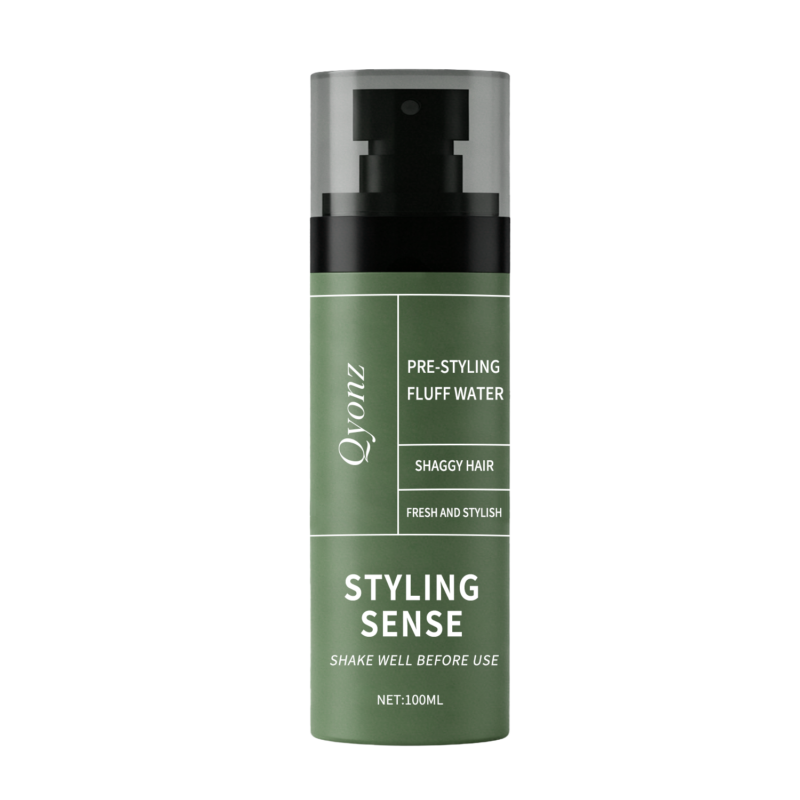
크런치와 화이트 플레이크의 종말: 개인 상표 브랜드를 위한 궁극적인 해염 스프레이 대안으로서의 액체 폴리머 아키텍처
남성 스타일링에서 “그릿'은 더 이상 셀링 포인트가 아니며, 두피 스트레스 없는 퍼포먼스가 셀링 포인트입니다. 기존의 바다 소금 스프레이는 탈수로 인해 텍스처를 만들어내어 종종 뻣뻣한 느낌, 칙칙함, 고객 이탈로 이어집니다. 텍스처 파우더는 리프팅 효과를 더할 수 있지만 잔여물과 축적에 대한 불만이 증가하고 있습니다. 차세대 솔루션은 에어로졸이 아닌 수성 마이크로 미스트로, 유연한 폴리머 네트워크를 형성하여 크런치나 백플레이크 없이 뿌리 리프트와 재작업이 가능한 텍스처를 제공하는 액체 폴리머 아키텍처(LPA)입니다. 이 문서에서는 화학적 변화, 개인 상표 포뮬러를 소싱할 때 지정해야 할 사항, 규정 준수 우선 제조(SDS/COA + ISO/GMP 프로세스)가 2026년 출시의 위험을 줄이는 방법에 대해 설명합니다.
브랜드 단계별 헤어 컬러 OEM 제조업체 선택하기(실무 가이드)

대부분의 브랜드는 “잘못된 공장”을 선택했기 때문에 헤어 컬러에 실패하지 않습니다."그들은 올바른 유형의 제조업체를 선택했기 때문에 실패합니다 ...
브랜드가 헤어 컬러 OEM 제조업체를 바꾸는 이유(그리고 그들이 다음에 찾는 것)
많은 뷰티 브랜드에서 헤어 컬러 OEM 제조업체를 전환하는 것은 갑작스러운 결정이 아니라 반복적인 생산, 불만 사항의 결과입니다.
헤어 컬러 규정 준수: SDS, COA 및 브랜드가 출시 전에 준비해야 할 사항
헤어 컬러 제조에서 규정 준수가 중요한 이유
헤어 컬러 및 컬러 증착 제품은 가장 밀접한 관련이 있는 제품 중 하나입니다.
낮은 MOQ 헤어 컬러 개인 상표: 소량 배치로 글로벌 표준을 충족하는 방법
에 대한 오해
많은 브랜드는 낮은 MOQ 헤어 컬러 생산이 품질 저하를 의미한다고 가정합니다. 실제로 낮은 MOQ는 더 많은 것을 요구합니다 ...
암모니아가 없는 헤어 컬러 OEM: 전문 제조업체가 더 부드러운 시스템을 제조하는 방법
암모니아가 없는 헤어 컬러가 필요한 이유
암모니아가없는 헤어 컬러는 인디 브랜드와 미용실 사이에서 가장 빠르게 성장하는 요청 중 하나가되었습니다....
헤어 컬러 및 염색 제품 OEM 제조업체
낮은 MOQ | ISO 22716 인증 | 완벽한 규정 준수 문서 지원
✅ ISO 22716 인증 공장 ✅ 12+ 헤어 컬러 및 컬러 딥 ...
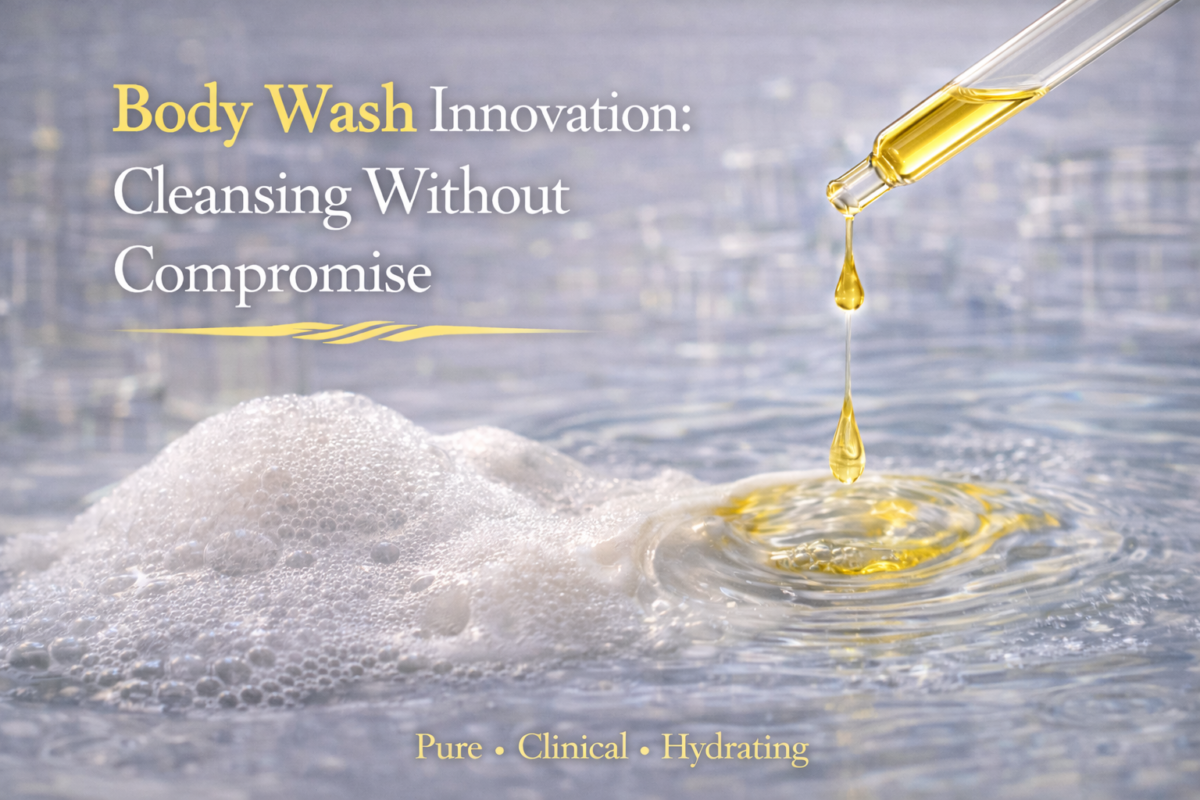
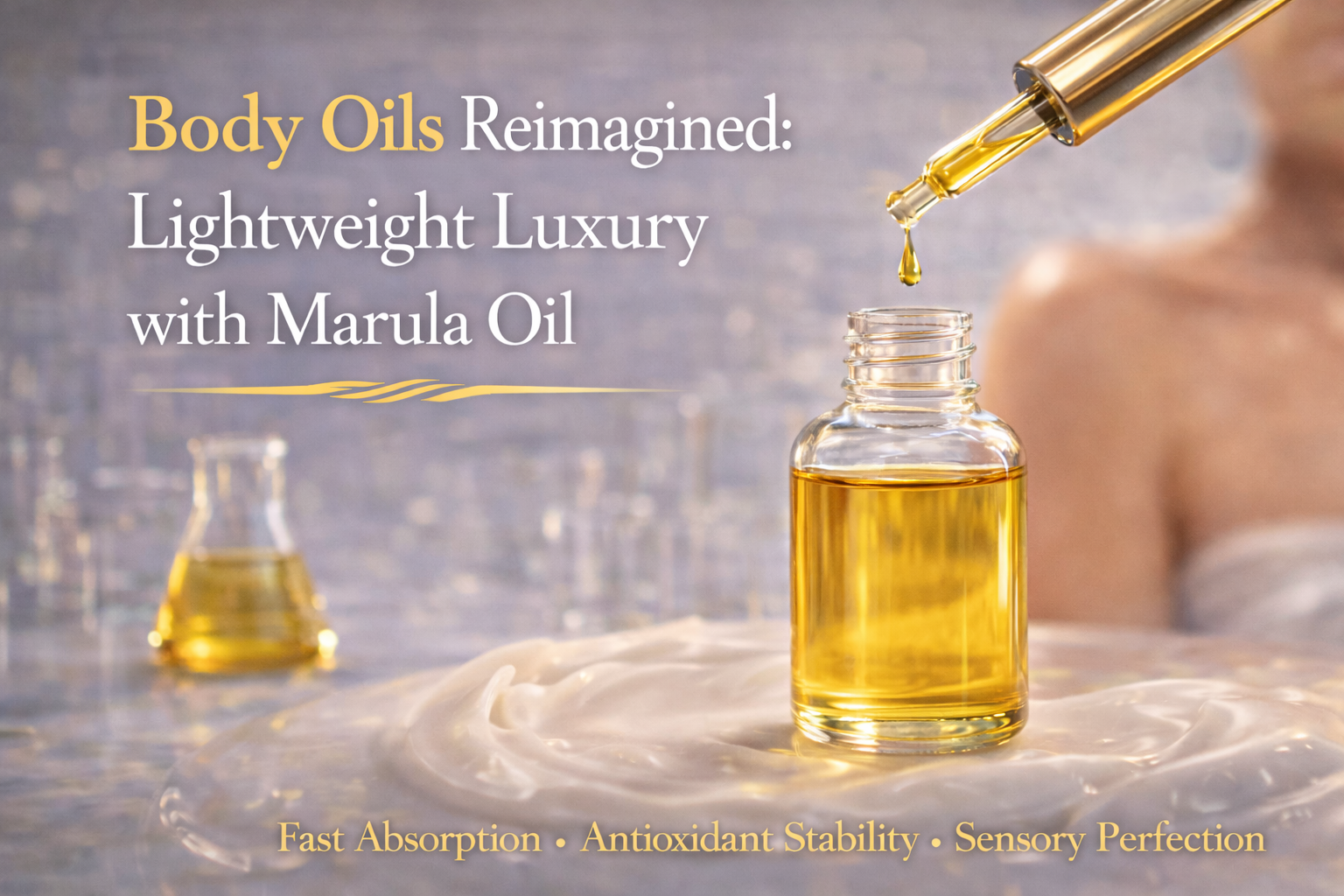
바디워시 혁신: 타협 없는 클렌징
현대의 바디워시는 더 이상 단순한 클렌징이 아니라 피부 장벽 보호, 보습, 감각적 경험의 섬세한 과학입니다.
마룰라 오일이 무설페이트 바디워시를 개선하여 실험실 검증을 통해 깨끗하고 순하며 피부 친화적인 성능을 달성하는 방법을 Qyonz OEM이 공유합니다.
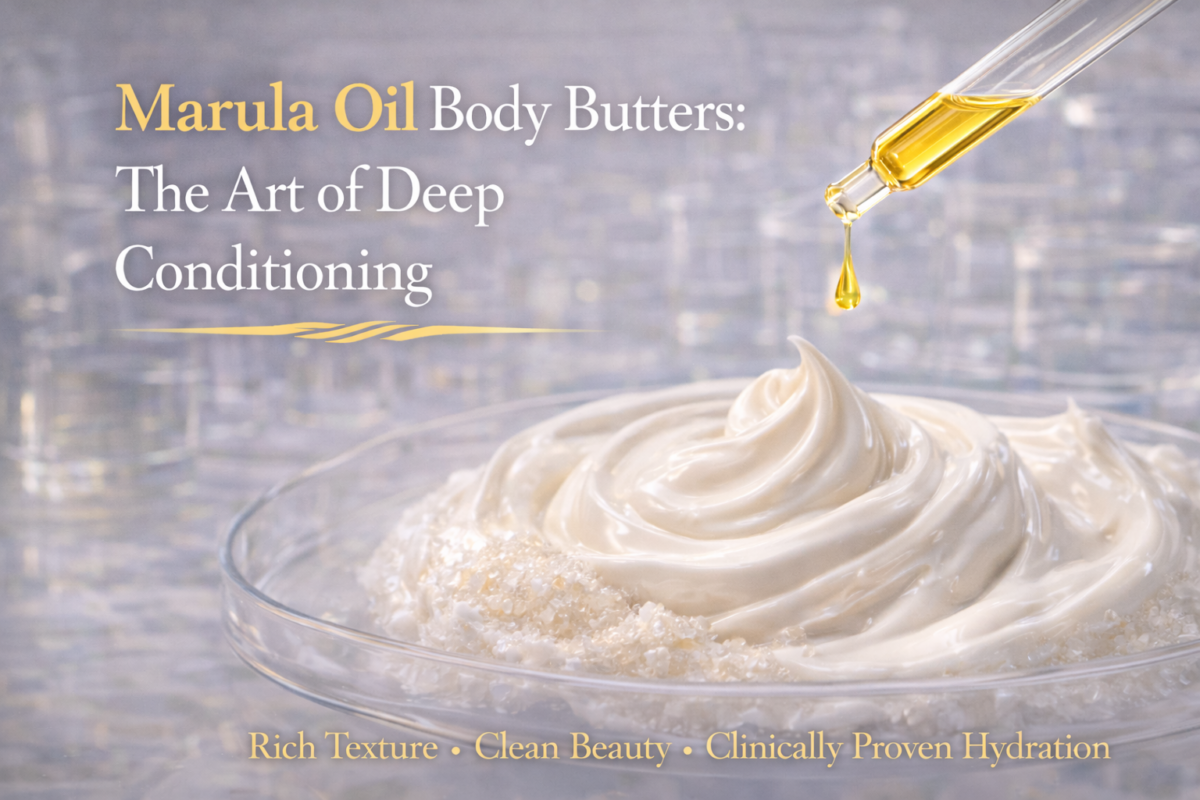
마룰라 오일 바디 버터: 딥 컨디셔닝의 기술
풍부하면서도 세련된 바디 버터는 편안함과 케어의 궁극적인 상징입니다.
마룰라 오일의 지질 프로파일과 항산화 안정성이 어떻게 임상적으로 입증된 수분 공급과 감각적 만족감을 제공하는 풍부하고 끈적임 없는 바디 버터를 가능하게 하는지 Qyonz OEM이 설명합니다.
바디 스크럽 & 각질 제거제: 텍스처 과학과 깨끗한 아름다움의 만남
과학과 감각적 케어가 결합된 차세대 바디 스크럽은 피부 장벽을 보충하면서 부드럽게 각질을 제거합니다.
마룰라 오일과 천연 각질 제거제가 어떻게 바디 스크럽 제형을 재정의하고 텍스처 성능과 클린 뷰티 원칙의 균형을 맞추는지 Qyonz OEM에서 살펴보세요.