





Похожие посты
From Formula to Shelf: Inside the QYONZ Manufacturing Process for Clean Beauty (EU & Retail-Ready)

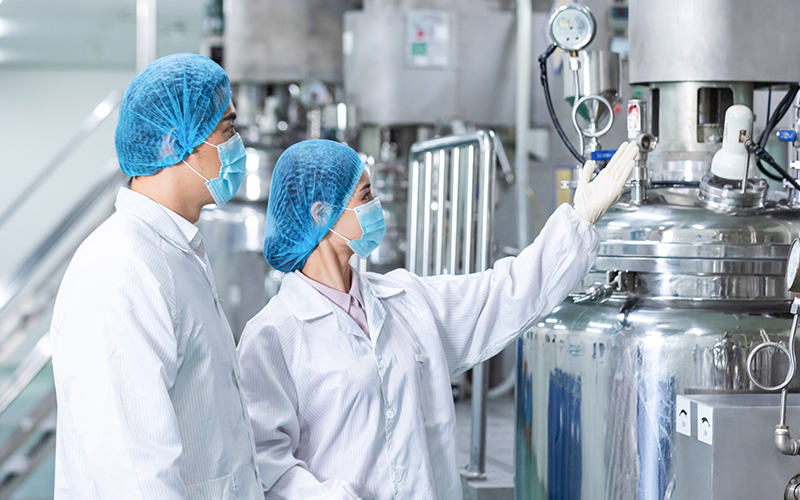
“Clean Beauty” is no longer a marketing claim—it’s a compliance gate. Retailers and regulators increasingly require ingredient transparency, traceable manufacturing, and documentation that stands up to audits. This article shows how QYONZ turns a concept into shelf-ready clean beauty private label hair care through a five-step system: requirement mapping, iterative lab sampling with test data, ISO/GMP-aligned production controls, packaging compatibility and labeling support, and post-launch change control. You’ll also see what “radical transparency” looks like in practice—SDS/COA per batch, traceable QC records, and documentation workflows designed to support EU-aligned requirements.
Почему MOQ и соответствие нормативным требованиям важнее, чем когда-либо, в OEM-производстве средств по уходу за волосами (2026 Playbook)
Большинство основателей относятся к MOQ как к заводскому ограничению, но в OEM-производстве средств по уходу за волосами MOQ определяет экономику единицы продукции, доступ к упаковке, риски, связанные с запасами, и скорость масштабирования. Сверхмалые тиражи (100-300 единиц) увеличивают стоимость и ограничивают возможности упаковки, а старые MOQ на 10 000+ единиц могут заморозить денежные потоки до того, как вы подтвердите соответствие продукта рынку. Базовый уровень в 1 000 единиц часто является оптимальным для операционной деятельности - достаточно большой для тестирования стабильности, совместимости упаковки и лучших ценовых уровней, но при этом достаточно маленький для защиты оборотного капитала. В 2026 году вторым фактором, определяющим сделку, станет соответствие требованиям: Процессы ISO 22716/GMP, а также документация SDS/COA и ингредиентов снижают риск делистинга и отказа от розничной продажи. В данном руководстве стратегия MOQ в 1000 единиц представлена контрольным списком покупателя и часто задаваемыми вопросами для команд по закупкам.
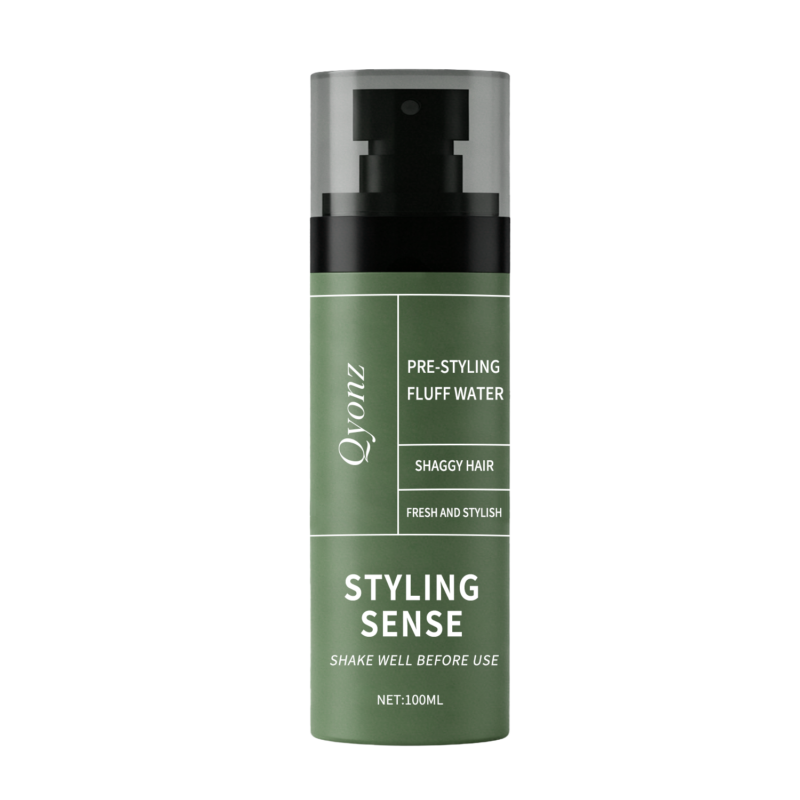
Конец хруста и белых хлопьев: Архитектура жидких полимеров как альтернатива морской соли для частных торговых марок
В мужском стайлинге “зернистость” больше не является преимуществом - эффективность без стресса для кожи головы. Традиционные спреи с морской солью создают текстуру за счет обезвоживания, что часто приводит к ломкости, тусклости и оттоку клиентов. Текстурирующие порошки могут придать укладке дополнительный эффект, однако количество жалоб на остатки и образование налета растет. Решение нового поколения - Liquid Polymer Architecture (LPA): неаэрозольный микромист на водной основе, образующий гибкую полимерную сеть для прикорневого лифтинга и текстуры, которую можно перерабатывать, без хруста и белых хлопьев. В этой статье рассказывается об изменении химического состава, о том, что следует учитывать при выборе формулы для частной марки, а также о том, как производство, ориентированное на соблюдение требований (SDS/COA + процессы ISO/GMP), снижает риск запуска в 2026 году.
Выбор производителя комплектующих для окрашивания волос по стадии бренда (практическое руководство)

Большинство брендов терпят неудачу в производстве красок для волос не потому, что выбрали “неправильную фабрику”. Они терпят неудачу потому, что выбрали правильного производителя...
Почему бренды меняют OEM-производителей красок для волос (и что они ищут дальше)
Для многих косметических брендов смена OEM-производителя красок для волос не является внезапным решением - это результат многократного производства, компл...
Соответствие красок для волос нормам: SDS, COA и то, что бренды должны подготовить перед запуском
Почему соблюдение нормативных требований является решающим фактором в производстве красок для волос
Краски для волос и красящие средства относятся к числу наиболее тщательно...
Частная марка красок для волос с низким MOQ: Как небольшие партии могут соответствовать мировым стандартам
Заблуждение о
Многие бренды полагают, что низкий MOQ производства краски для волос означает компромиссное качество В действительности, низкий MOQ требует более ...
Окрашивание волос без аммиака: как профессиональные производители разрабатывают более щадящие системы
Почему краска для волос без аммиака в моде
Краска для волос без аммиака стала одним из самых быстрорастущих запросов среди инди-брендов и салонных...
Краска для волос и средства для окрашивания OEM-производитель
Низкое минимальное количество товара | Сертификат ISO 22716 | Полная документация по соответствию
✅ ISO 22716 Сертифицированная фабрика ✅ 12+ Цвет волос и...
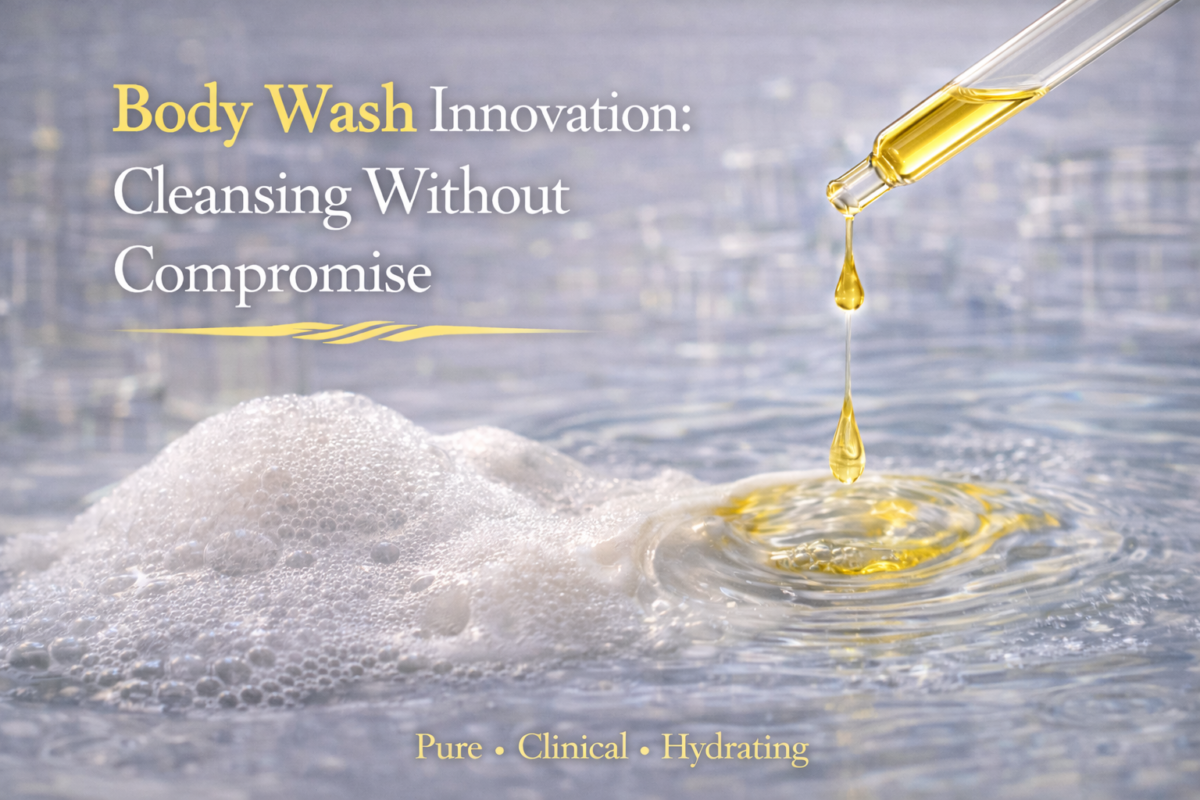
Инновационные средства для мытья тела: Очищение без компромиссов
Современное мытье тела - это уже не просто очищение, а тонкая наука сохранения барьера, увлажнения и сенсорных ощущений.
Qyonz OEM рассказывает, как масло марулы улучшает безсульфатные средства для мытья тела, чтобы добиться чистоты, мягкости и благоприятного воздействия на кожу, подтвержденного лабораторными исследованиями.
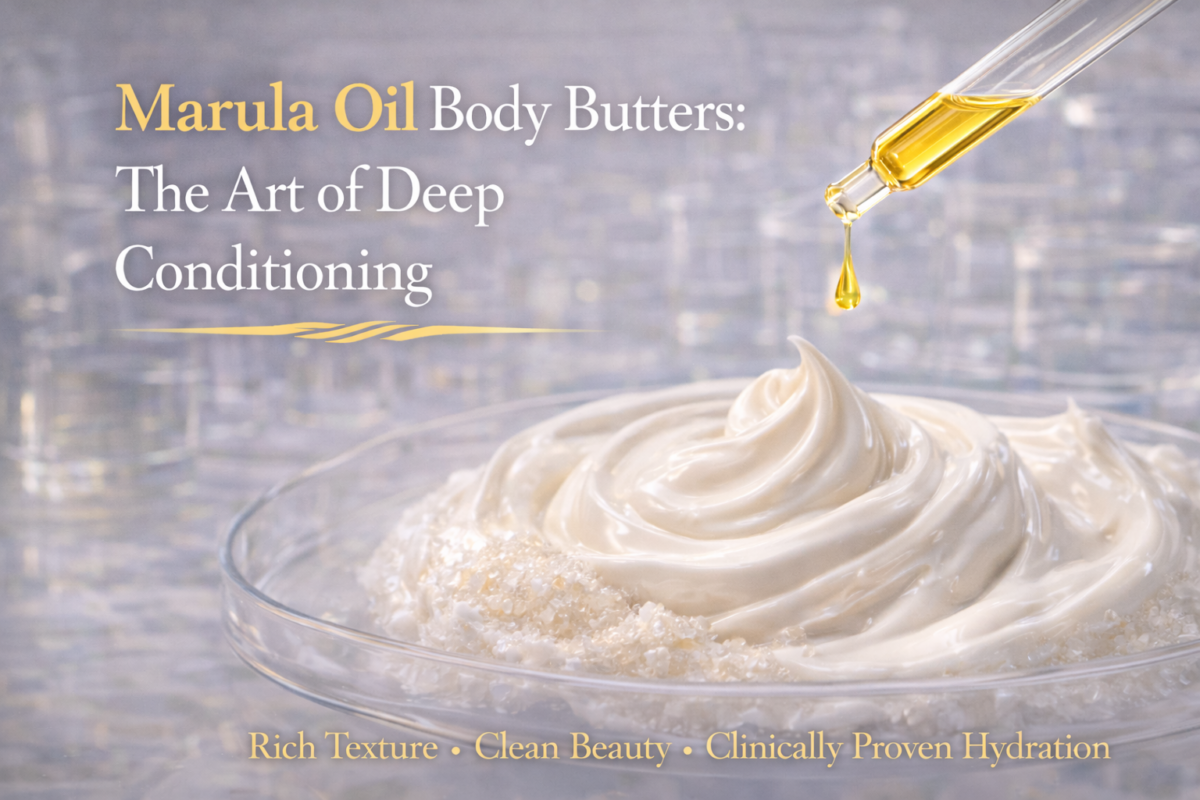
Масла для тела с маслом марулы: Искусство глубокого кондиционирования
Насыщенные и в то же время изысканные масла для тела - высший символ комфорта и заботы.
Qyonz OEM объясняет, как липидный профиль и антиоксидантная стабильность масла марулы позволяют создавать насыщенные, нежирные масла для тела, которые обеспечивают клинически доказанное увлажнение и чувственное наслаждение.
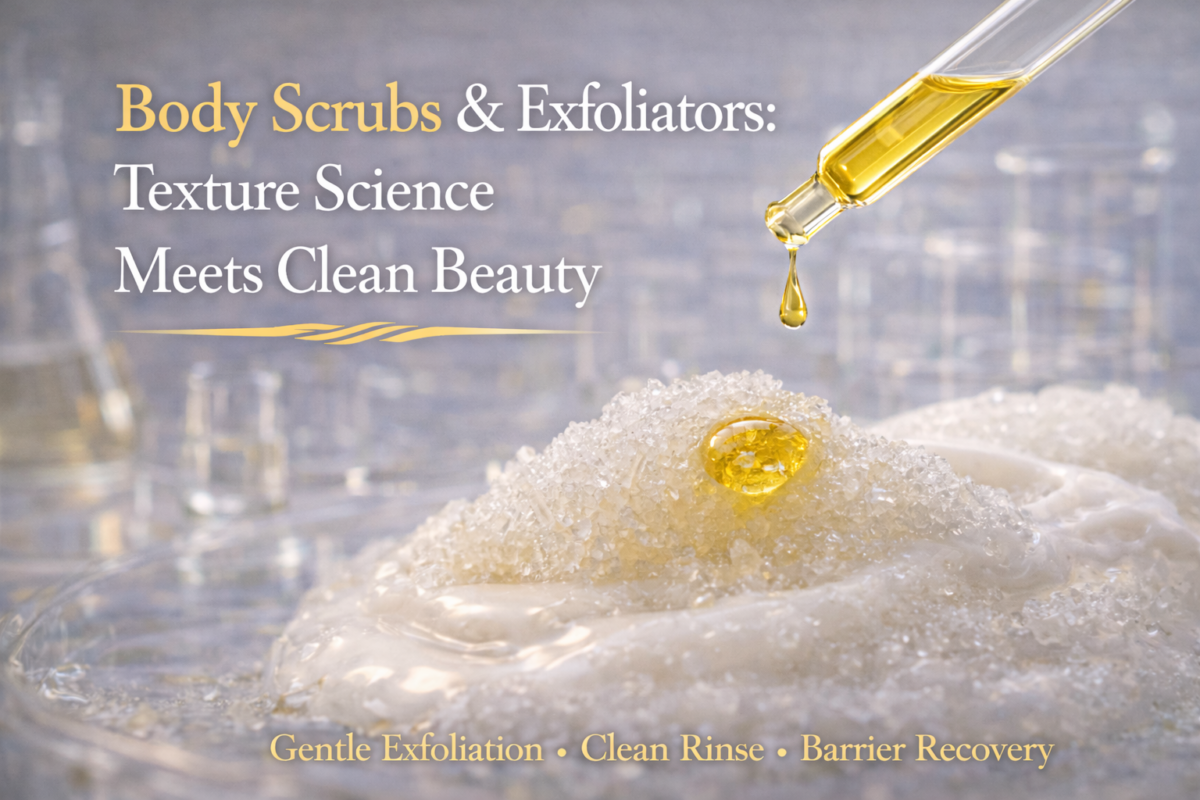
Скрабы и отшелушивающие средства для тела: Наука о текстуре и чистая красота
Новое поколение скрабов для тела сочетает в себе науку и сенсорный уход - мягко отшелушивает кожу, восстанавливая ее барьер.
Qyonz OEM исследует, как масло марулы и натуральные эксфолианты переосмысливают формулу скраба для тела, уравновешивая текстурные характеристики с принципами чистой красоты.