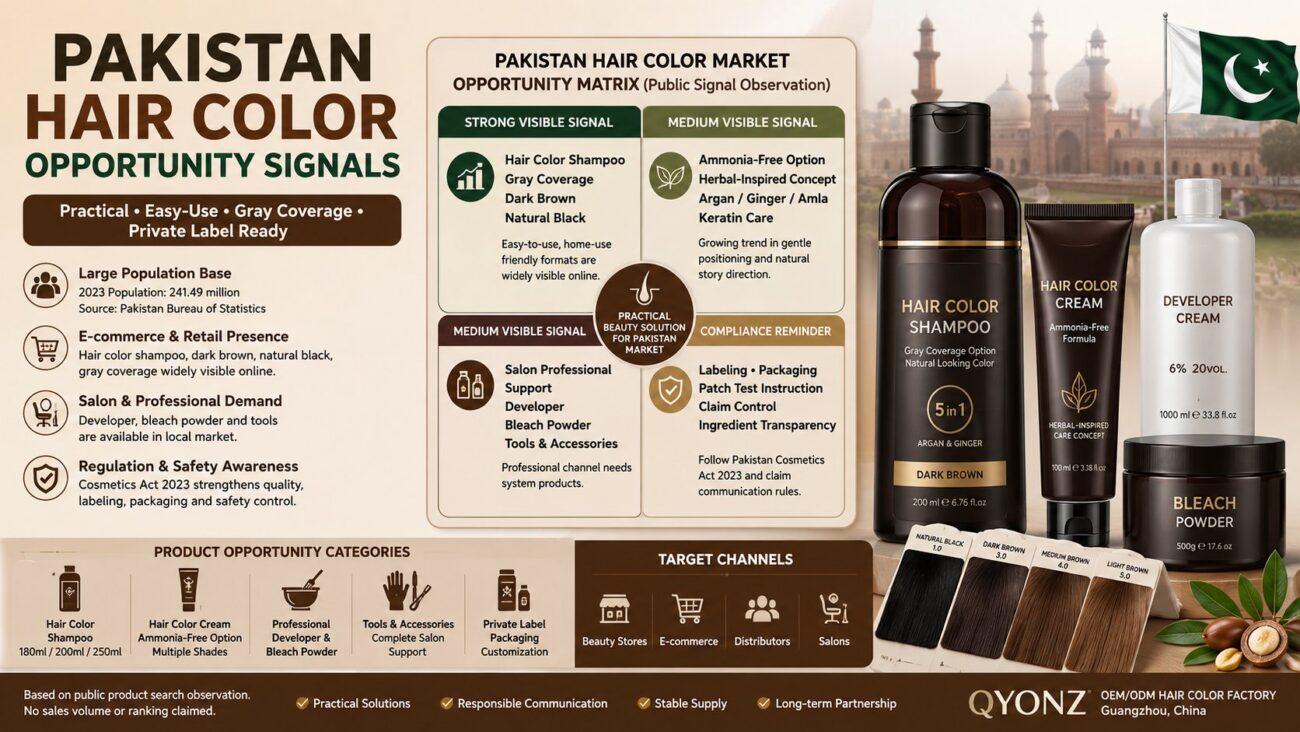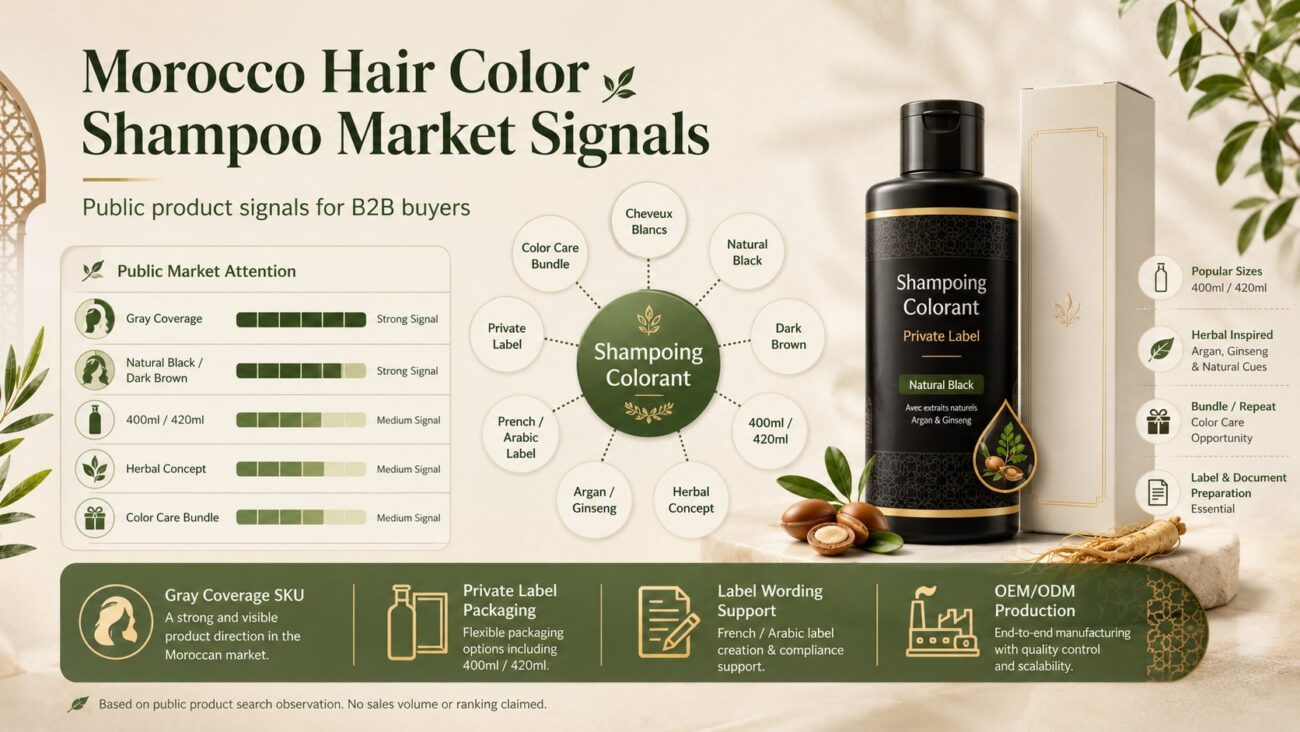






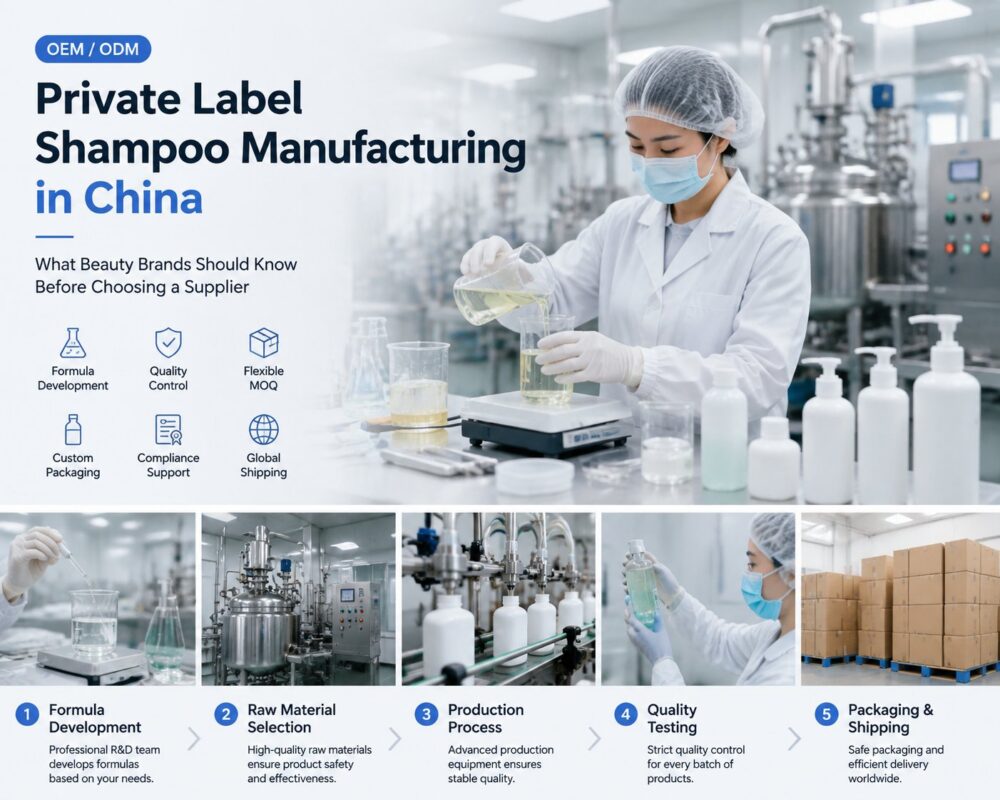
Low MOQ | ISO 22716 Certified | Full Compliance Documentation Support
✅ ISO 22716 Certified Factory ✅ 12+ Hair Color & Color-Depositing Projects Delivered (2023–2025) ✅ SDS & COA Provided for Every Batch ✅ 30-Day Sampling Cycle
Choosing the right hair color OEM manufacturer is no longer just a sourcing decision.
For today’s brands, it directly impacts regulatory compliance, product safety, customer trust, and long-term scalability.
Hair color and color-depositing products are among the most technically complex and highly scrutinized categories in the beauty industry. That’s why brands increasingly rely on specialized OEM partners—not just factories—to manage formulation, production, and documentation risk.
This page explains how hair color OEM manufacturing works, what to look for in a qualified partner, and how to avoid the most common (and costly) mistakes.
What Is a Hair Color OEM Manufacturer?
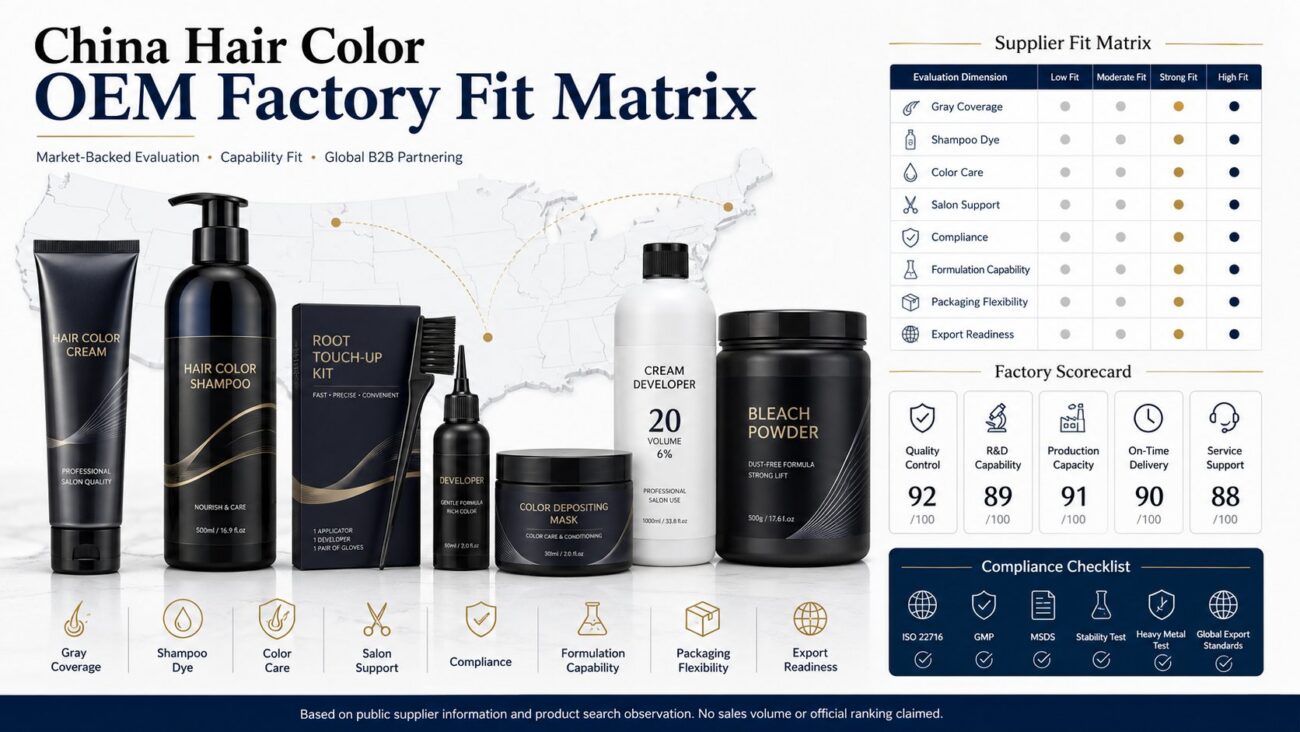
A hair color OEM manufacturer provides professional support across formulation development, GMP production, testing coordination, and compliance documentation for hair color and color-depositing products.
This typically includes:
- Permanent hair color formulation (PPD-based systems, ammonia-free options)
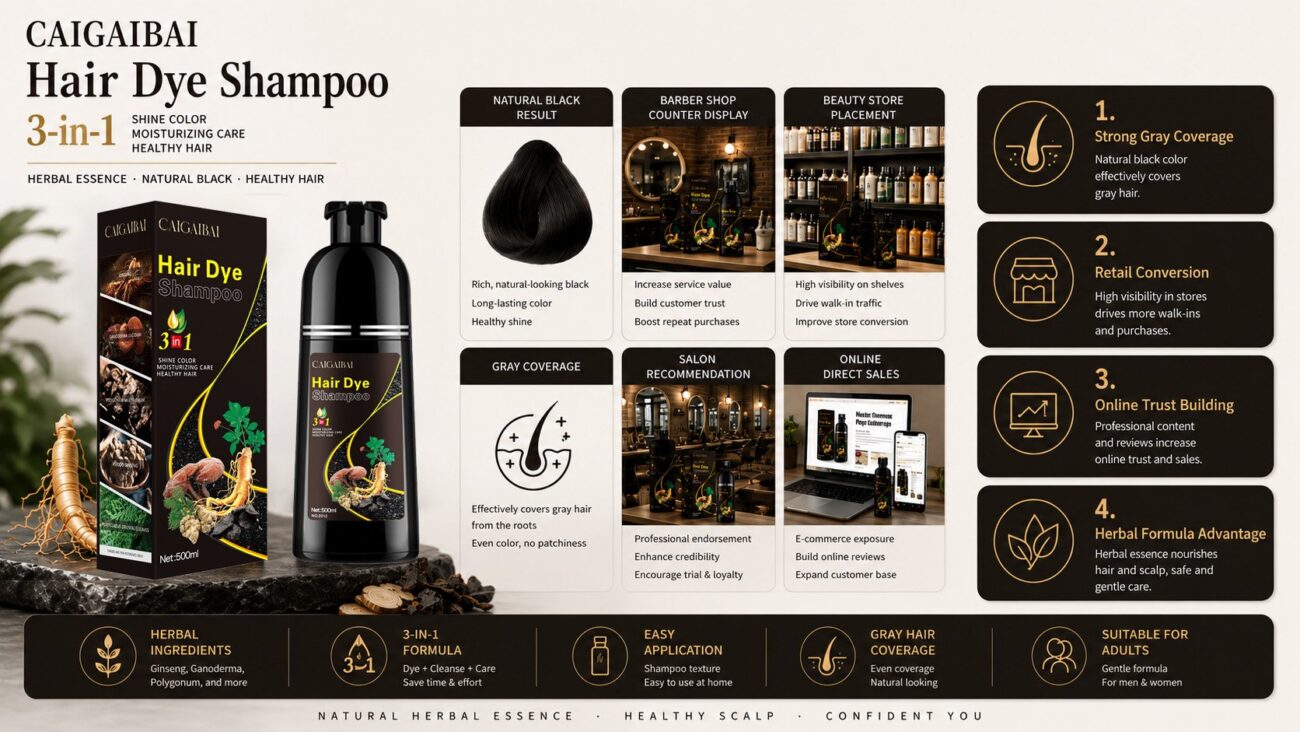
- Semi-permanent and plant-based color-depositing products
- Color-depositing shampoo and conditioner systems
- Pigment stability and color consistency testing
- ISO 22716 / GMP compliant manufacturing
- SDS, COA, and export documentation support
Unlike simple private label suppliers, a qualified OEM manufacturer supports brands at both the technical and regulatory level, reducing risk before products reach market.
Why Brands Choose a Hair Color OEM Manufacturer
1. Hair Color Is a High-Risk, High-Technical Category
Hair color formulations involve oxidation chemistry, pigment interaction, and scalp safety considerations.
Without specialized experience, brands risk:
- Inconsistent color performance
- Stability issues during storage or shipping
- Increased consumer irritation complaints
Experienced OEM manufacturers operate within validated systems that significantly reduce these risks.
2. Compliance Requirements Are Increasing Globally
Most export and retail channels require:
- ISO 22716 / GMP manufacturing standards
- SDS & COA documentation per batch
- Ingredient transparency and traceability
A professional hair color OEM manufacturer ensures products are documentation-ready, helping brands pass distributor, platform, and regulatory reviews more efficiently.
3. OEM Manufacturing Enables Smarter Brand Scaling
By outsourcing formulation, production, and documentation, brands can focus on:
- Market positioning
- Channel expansion
- Marketing and customer acquisition
OEM manufacturing becomes a growth enabler, not just a cost center.
How to Choose the Right Hair Color OEM Manufacturer
Not all factories offering “hair color OEM” have true specialization. Use the following criteria to evaluate partners objectively.
1. Dedicated Hair Color & Color-Depositing Experience
Hair color is not an extension of skincare manufacturing.
A qualified OEM partner should demonstrate:
- Dedicated hair color or color-depositing product lines
- Proven experience with pigment systems
- Clear understanding of permanent vs. semi-permanent technologies
Specialization matters.
2. Low MOQ Without Compromising Safety or Testing
Low MOQ is attractive—but only when supported by full quality controls.
A reliable hair color OEM manufacturer should offer:
- Small-batch production with full testing
- Stability, color fastness, and patch-test documentation
- Batch traceability regardless of order size
Low MOQ should never mean reduced standards.
3. Real R&D and Iterative Sampling Capability
Professional OEM partners support:
- Multiple sampling rounds
- Formula adjustments based on performance feedback
- Technical consultation—not just execution
OEM manufacturing should be collaborative, not transactional.
4. Market-Specific Compliance Awareness
Different markets have different priorities:
- United States: platform documentation & scalp safety focus
- European Union: ingredient restrictions & labeling compliance
- Middle East: heat stability and color performance
A strong OEM partner considers your target market from the first discussion.
Common Mistakes When Choosing a Hair Color OEM Manufacturer
Many brands encounter avoidable problems because they:
- Choose based on price rather than compliance readiness
- Work with skincare-focused factories lacking hair color expertise
- Overlook documentation requirements until late stages
- Fail to plan for repeat orders and scale-up
These mistakes often lead to delays, reformulation costs, or rejected listings.
How QYONZ Supports Hair Color OEM Projects
在 QYONZ, hair color OEM manufacturing is approached as a long-term brand partnership, not a one-time transaction.
Example: Supporting a U.S. Indie Brand Launch
Project: Ammonia-free color-depositing shampoo
Timeline: 60 days from concept to shipment
- Weeks 1–2: Customized plant-based pigment system with reduced irritation
- Weeks 3–4: Three sampling rounds with salon tester feedback integration
- Weeks 5–8: GMP production + FDA-compliant labeling documentation support
Result:
✔ 1,200 units sold out within 3 weeks on the brand’s Shopify store
✔ Second production scheduled within 45 days
Hair Color OEM Manufacturer Comparison
| Evaluation Factor | Typical OEM Factory | QYONZ Hair Color OEM |
|---|---|---|
| 订购数量 | 3,000–5,000 units | 500-1000 个 |
| Hair Color Expertise | Limited | Dedicated focus |
| 认证 | Partial | ISO 22716 / GMP |
| SDS & COA | 可选 | Included for every batch |
| Batch Testing | Extra cost | Stability + patch test included |
| Export Support | Client-managed | Documentation & logistics support |
2026 Hair Color Ingredient Trends Brands Are Asking For
Brands preparing for future launches are increasingly requesting:
- Henna + indigo blends for plant-based coverage without PPD
- Vegan keratin systems to strengthen hair during coloring
- Heat-activated pigments for high-humidity markets
QYONZ maintains pre-developed base formulas aligned with these trends, allowing faster sampling and market entry.
FAQ: Hair Color OEM Manufacturing
Can you formulate ammonia-free permanent hair color?
Yes. Ammonia-free systems require alternative alkalizing agents and optimized pigment delivery. Our R&D team supports these formulations with performance and stability considerations.
Do you support CPNP notification for the EU market?
We provide complete formulation files, safety data, and supporting documents. Final CPNP submission is completed by the brand or its EU responsible person.
Is low MOQ hair color OEM safe?
When full testing protocols are maintained, small batches can be produced without compromising safety or compliance.
Compliance Notice
Permanent hair color products containing PPD require brand-side FDA facility registration in the United States and CPNP notification in the European Union. QYONZ provides formulation development, GMP manufacturing, and full documentation support, while brand partners complete final market registration.
Final Thoughts
Selecting the right hair color OEM manufacturer defines more than production capacity—it defines risk control, compliance readiness, and brand credibility.
Manufacturing is not the end of brand building.
It is where trust begins.
👉 Ready to Start Your Hair Color OEM Project?
If you are looking for:
- Low MOQ hair color or color-depositing product manufacturing
- ISO 22716 & GMP compliant production
- Full SDS & COA documentation support
Contact QYONZ to discuss sampling, formulation options, or compliance requirements.
4 thoughts on “Hair Color & Color-Depositing Products OEM Manufacturer”