








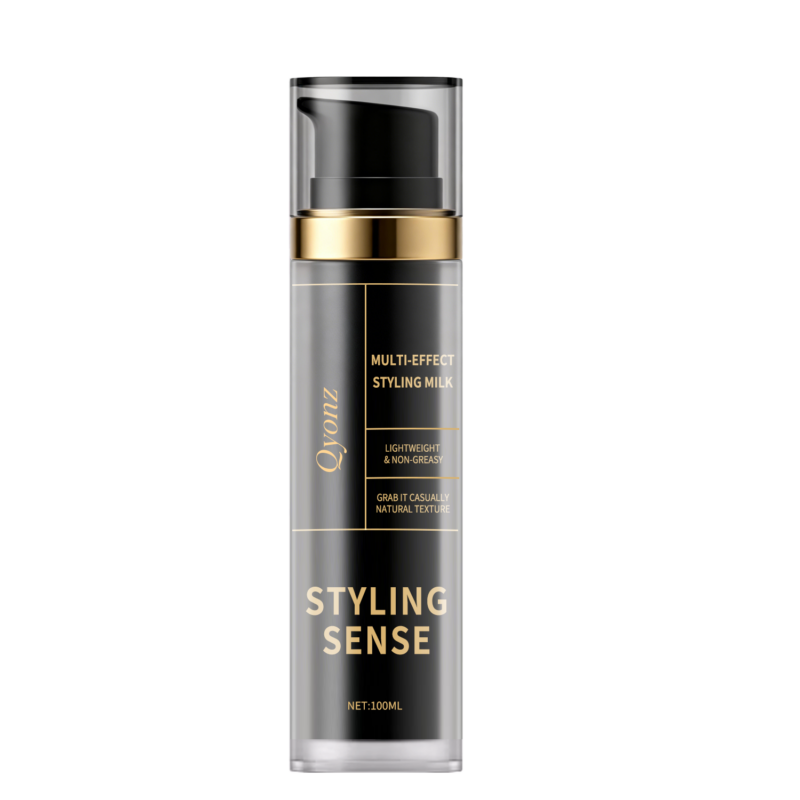
Why MOQ and Compliance Matter More Than Ever in Haircare OEM Manufacturing (2026 Playbook)

Most founders treat MOQ as a factory limit, but in haircare OEM manufacturing, MOQ determines your unit economics, packaging access, inventory risk, and speed to scale. Ultra-low runs (100–300 units) inflate cost and restrict packaging options, while legacy 10,000+ MOQs can freeze cash flow before you validate product-market fit. A 1,000-unit baseline is often the operational sweet spot—large enough for stability testing, packaging compatibility, and better pricing tiers, yet small enough to protect working capital. In 2026, compliance is the second deal-maker: ISO 22716/GMP processes, plus SDS/COA and ingredient documentation, reduce delisting and retail rejection risk. This guide breaks down the 1,000 MOQ strategy with a buyer’s checklist and FAQ for procurement teams.
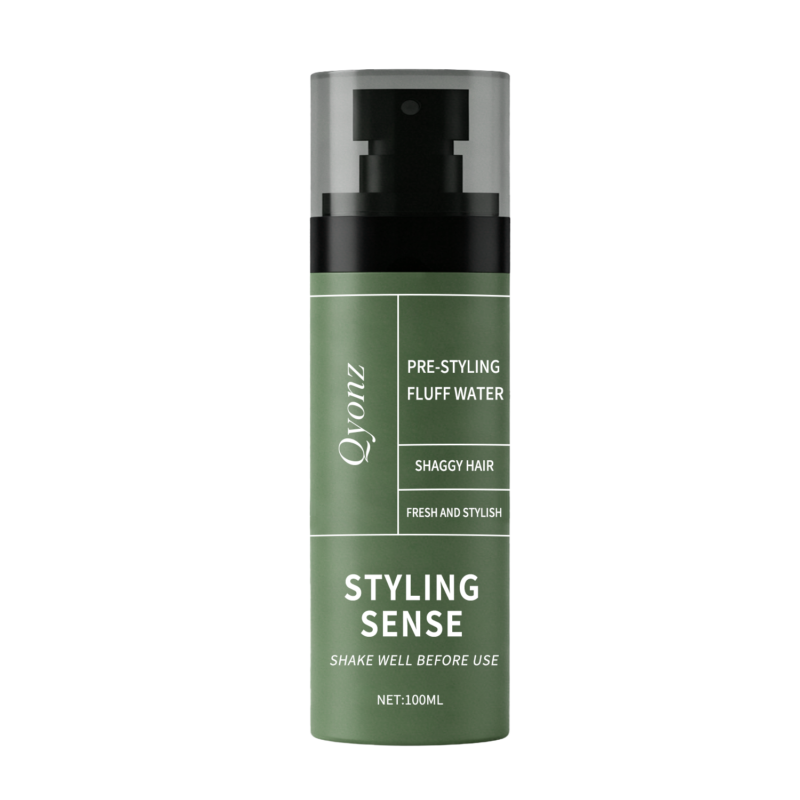
The End of Crunch and White Flakes: Liquid Polymer Architecture as the Ultimate Sea Salt Spray Alternative for Private Label Brands
In men’s styling, “grit” is no longer a selling point—performance without scalp stress is. Traditional sea salt sprays create texture by dehydration, often leading to brittle feel, dullness, and customer churn. Texture powders can add lift, but residue and buildup complaints are rising. The next generation solution is Liquid Polymer Architecture (LPA): a non-aerosol, water-based micro-mist that forms a flexible polymer network for root lift and reworkable texture—without crunch or white flakes. This article explains the chemistry shift, what to spec when sourcing a private label formula, and how compliance-first manufacturing (SDS/COA + ISO/GMP processes) de-risks your 2026 launch.