











Related posts

From Formula to Shelf: Inside the QYONZ Manufacturing Process for Clean Beauty (EU & Retail-Ready)

“Clean Beauty” is no longer a marketing claim—it’s a compliance gate. Retailers and regulators increasingly require ingredient transparency, traceable manufacturing, and documentation that stands up to audits. This article shows how QYONZ turns a concept into shelf-ready clean beauty private label hair care through a five-step system: requirement mapping, iterative lab sampling with test data, ISO/GMP-aligned production controls, packaging compatibility and labeling support, and post-launch change control. You’ll also see what “radical transparency” looks like in practice—SDS/COA per batch, traceable QC records, and documentation workflows designed to support EU-aligned requirements.
Why MOQ and Compliance Matter More Than Ever in Haircare OEM Manufacturing (2026 Playbook)
Most founders treat MOQ as a factory limit, but in haircare OEM manufacturing, MOQ determines your unit economics, packaging access, inventory risk, and speed to scale. Ultra-low runs (100–300 units) inflate cost and restrict packaging options, while legacy 10,000+ MOQs can freeze cash flow before you validate product-market fit. A 1,000-unit baseline is often the operational sweet spot—large enough for stability testing, packaging compatibility, and better pricing tiers, yet small enough to protect working capital. In 2026, compliance is the second deal-maker: ISO 22716/GMP processes, plus SDS/COA and ingredient documentation, reduce delisting and retail rejection risk. This guide breaks down the 1,000 MOQ strategy with a buyer’s checklist and FAQ for procurement teams.
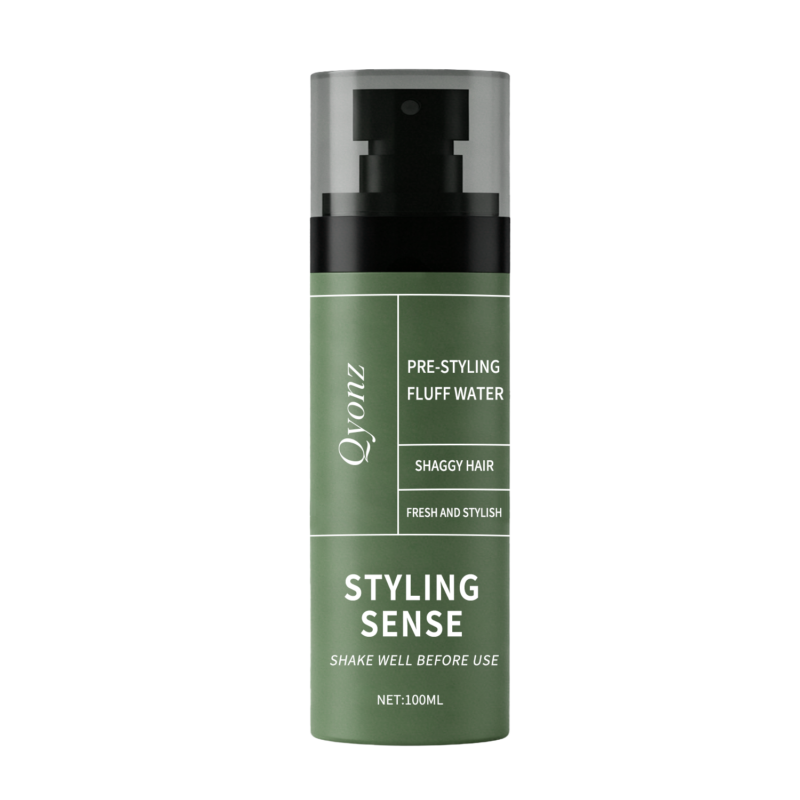
The End of Crunch and White Flakes: Liquid Polymer Architecture as the Ultimate Sea Salt Spray Alternative for Private Label Brands
In men’s styling, “grit” is no longer a selling point—performance without scalp stress is. Traditional sea salt sprays create texture by dehydration, often leading to brittle feel, dullness, and customer churn. Texture powders can add lift, but residue and buildup complaints are rising. The next generation solution is Liquid Polymer Architecture (LPA): a non-aerosol, water-based micro-mist that forms a flexible polymer network for root lift and reworkable texture—without crunch or white flakes. This article explains the chemistry shift, what to spec when sourcing a private label formula, and how compliance-first manufacturing (SDS/COA + ISO/GMP processes) de-risks your 2026 launch.
Choosing a Hair Color OEM Manufacturer by Brand Stage (A Practical Guide)

Most brands don’t fail in hair color because they chose the “wrong factory.”They fail because they chose the right type of manufacturer...
Why Brands Switch Hair Color OEM Manufacturers (And What They Look for Next)
For many beauty brands, switching a hair color OEM manufacturer is not a sudden decision—it is the result of repeated production, compl...
Hair Color Compliance: SDS, COA, and What Brands Must Prepare Before Launch
Why Compliance Is a Deal-Breaker in Hair Color Manufacturing
Hair color and color-depositing products are among the most closely rev...
Low MOQ Hair Color Private Label: How Small Batches Can Still Meet Global Standards
The Misconception About
Many brands assume that low MOQ hair color production means compromised quIn reality, low MOQ requires more ...
Ammonia-Free Hair Color OEM: How Professional Manufacturers Formulate Gentler Systems
Why Ammonia-Free Hair Color Is in
Ammonia-free hair color has become one of the fastest-growing requests among indie brands and salon...
Hair Color & Color-Depositing Products OEM Manufacturer
Low MOQ | ISO 22716 Certified | Full Compliance Documentation Support
✅ ISO 22716 Certified Factory ✅ 12+ Hair Color & Color-Dep...
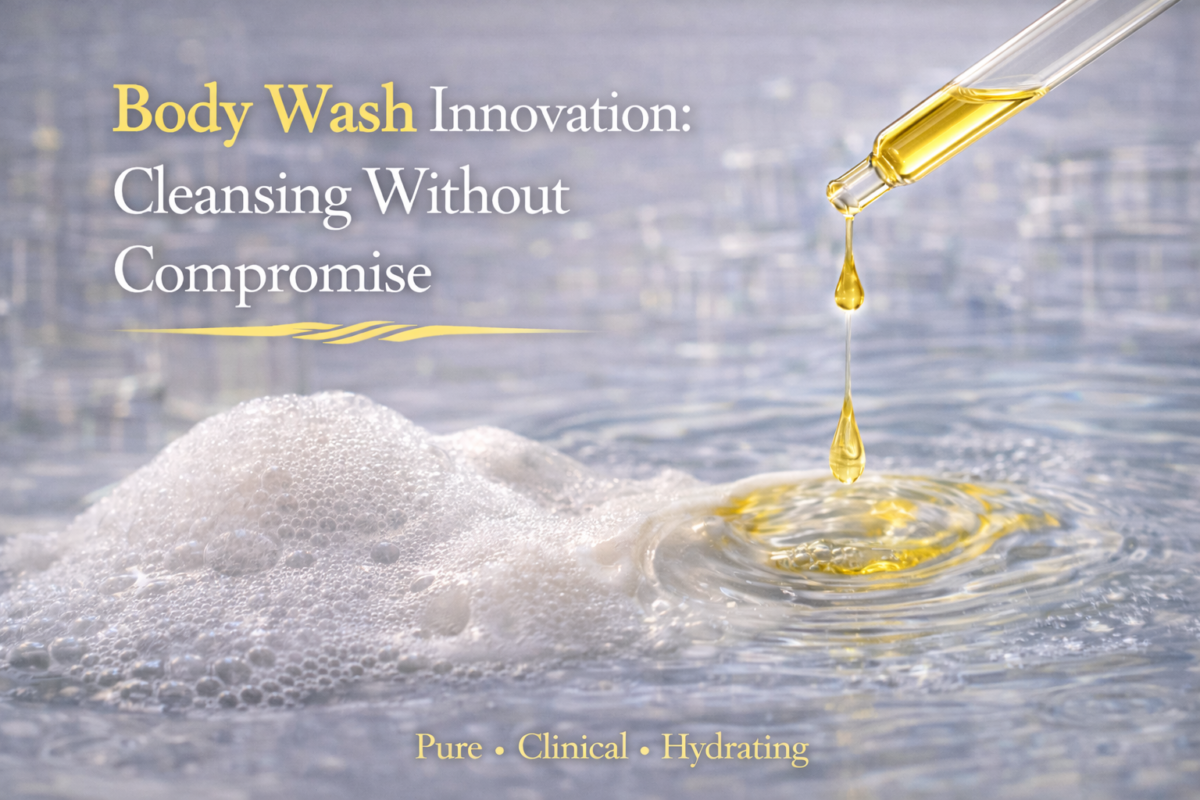
Body Wash Innovation: Cleansing Without Compromise
The modern body wash is no longer just about cleansing — it’s a delicate science of barrier preservation, hydration, and sensory experience.
Qyonz OEM shares how Marula Oil enhances sulfate-free body washes to achieve clean, gentle, and skin-friendly performance backed by lab validation.
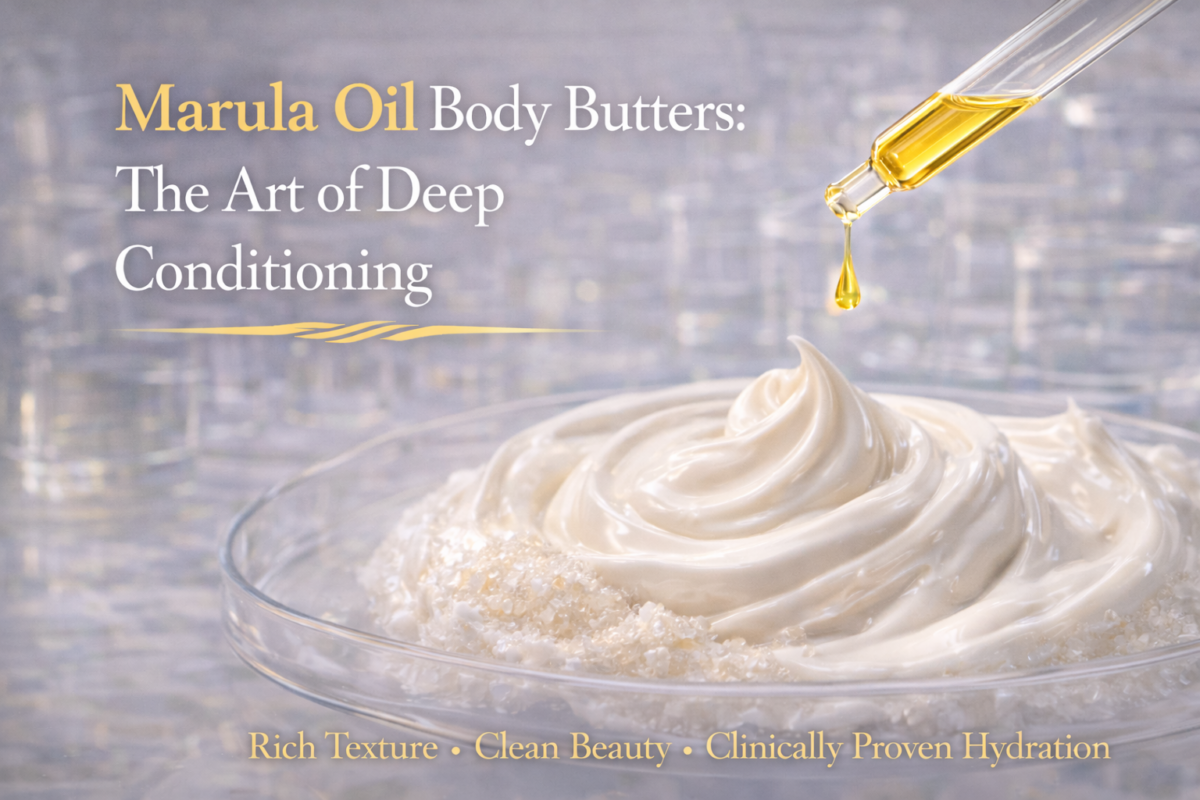
Marula Oil Body Butters: The Art of Deep Conditioning
Rich yet refined — body butters are the ultimate symbol of comfort and care.
Qyonz OEM explains how Marula Oil’s lipid profile and antioxidant stability enable rich, non-greasy body butters that deliver clinically proven hydration and sensorial indulgence.
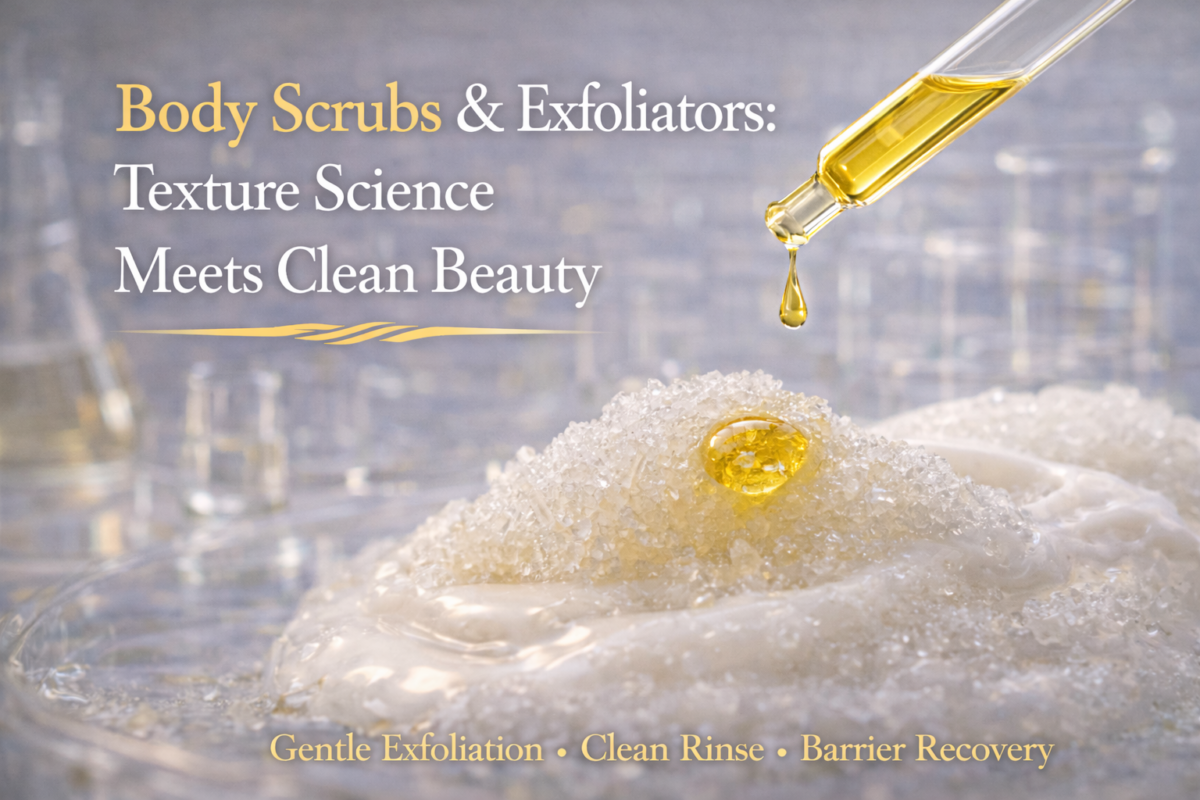
Body Scrubs & Exfoliators: Texture Science Meets Clean Beauty
The new generation of body scrubs blends science and sensorial care — exfoliating gently while replenishing the skin barrier.
Qyonz OEM explores how Marula Oil and natural exfoliants redefine body scrub formulation, balancing texture performance with clean beauty principles.