











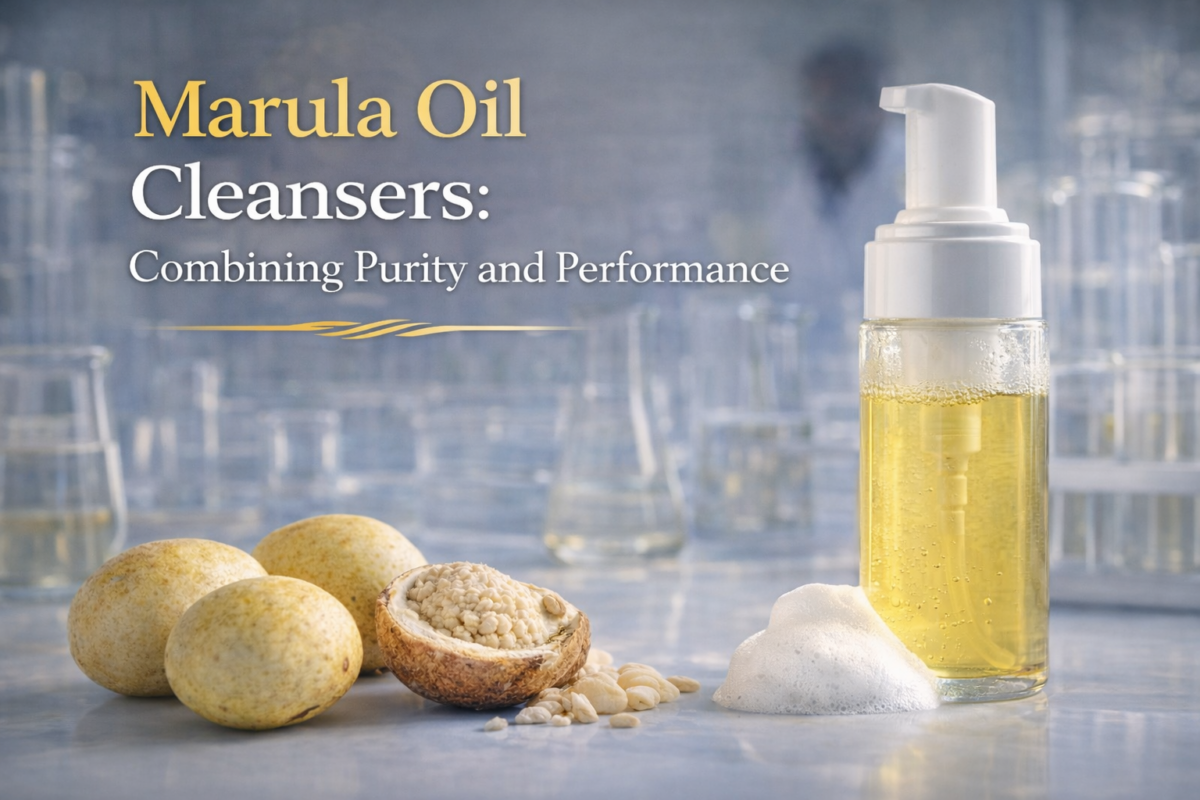
Marula Oil Cleansers: Combining Purity and Performance

The next generation of facial cleansers is defined by balance — effective cleansing without dryness.
Marula Oil, known for its lightweight purity and lipid harmony, is reshaping cleanser formulations across premium skincare lines.
Qyonz OEM explains how science-driven emulsification transforms this natural oil into high-performance, sulfate-free cleansers for global brands.
Marula Oil Serums: Lightweight Power for Luxury Skincare Lines
Luxury skincare today is defined by sensory experience — formulas that feel light yet deliver visible results.
Marula Oil, with its exceptional oxidative stability and absorption profile, is redefining the standard for high-performance serums.
This article reveals how Qyonz OEM labs transform Marula Oil’s chemistry into fast-absorbing, antioxidant-rich serums designed for global luxury brands.
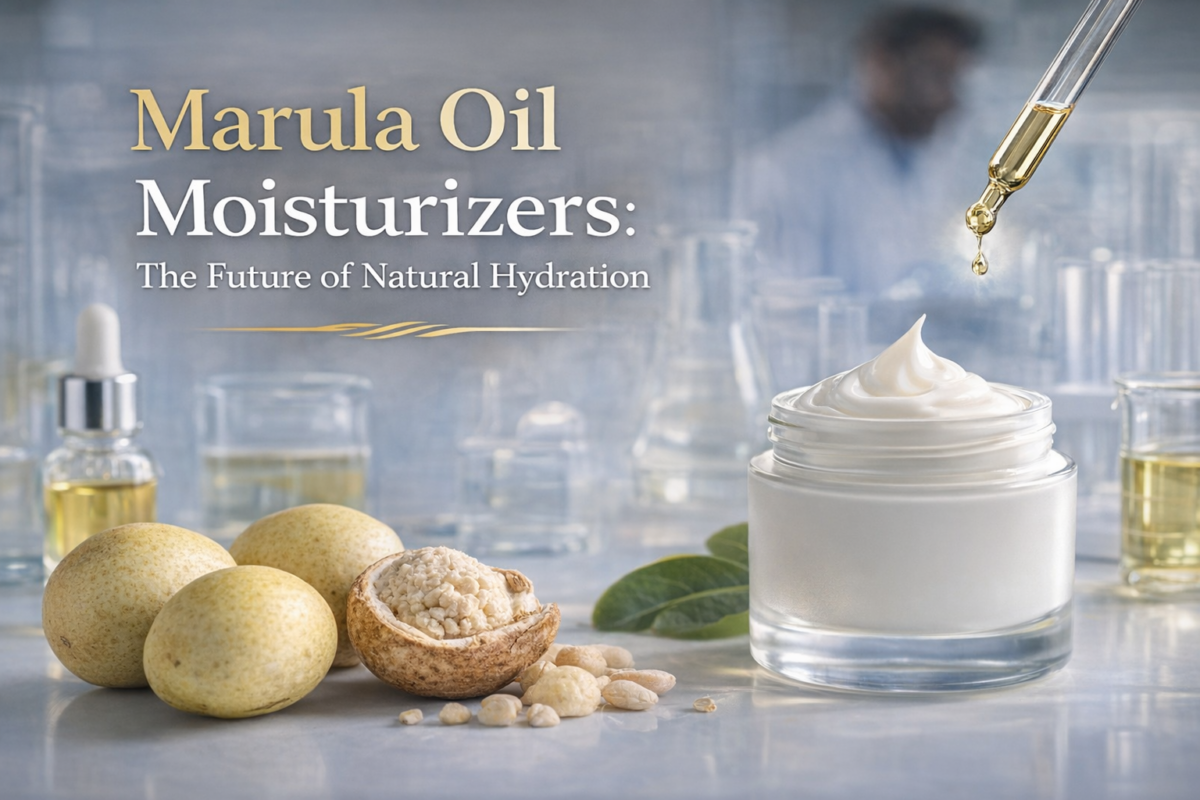
Marula Oil Moisturizers: The Future of Natural Hydration
As consumers move toward lightweight, plant-based skincare, OEM buyers are rethinking hydration technology.
Marula Oil — rich in antioxidants and essential fatty acids — delivers moisture balance without heaviness.
Here’s how Qyonz integrates its chemistry into scalable, market-ready moisturizer formulations for premium skincare brands.
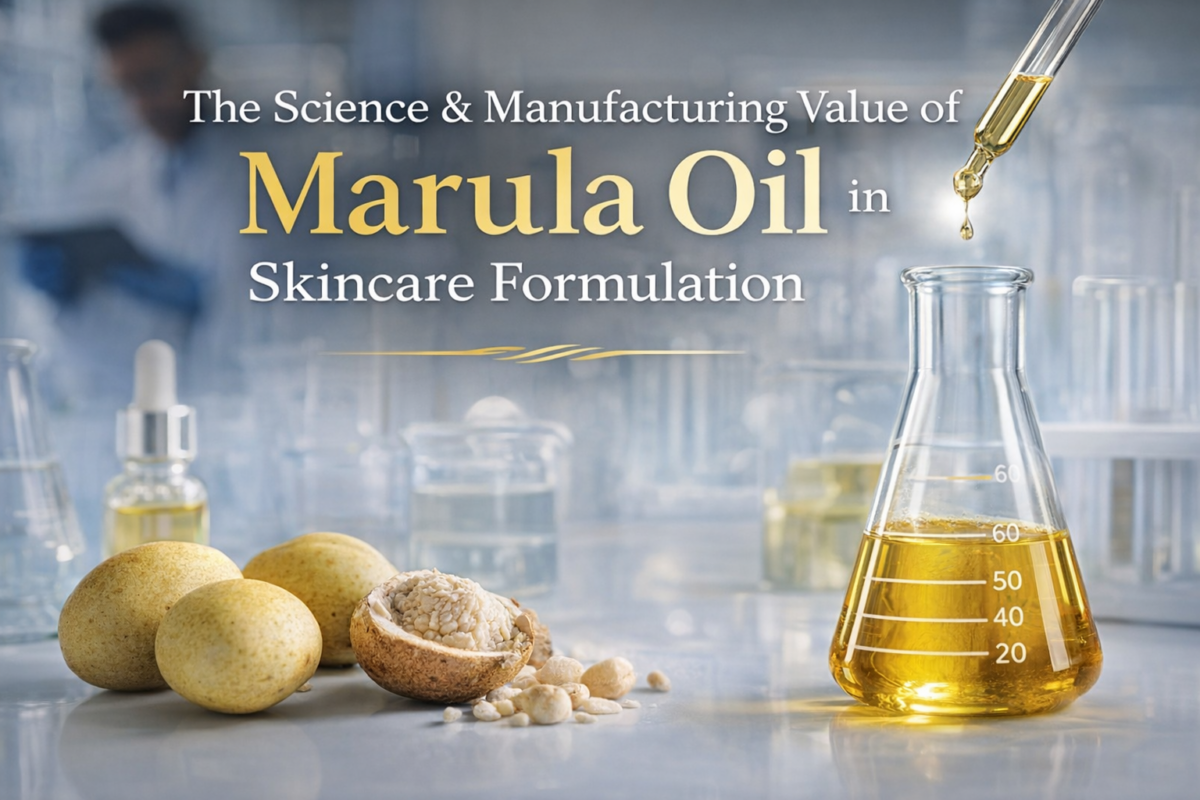
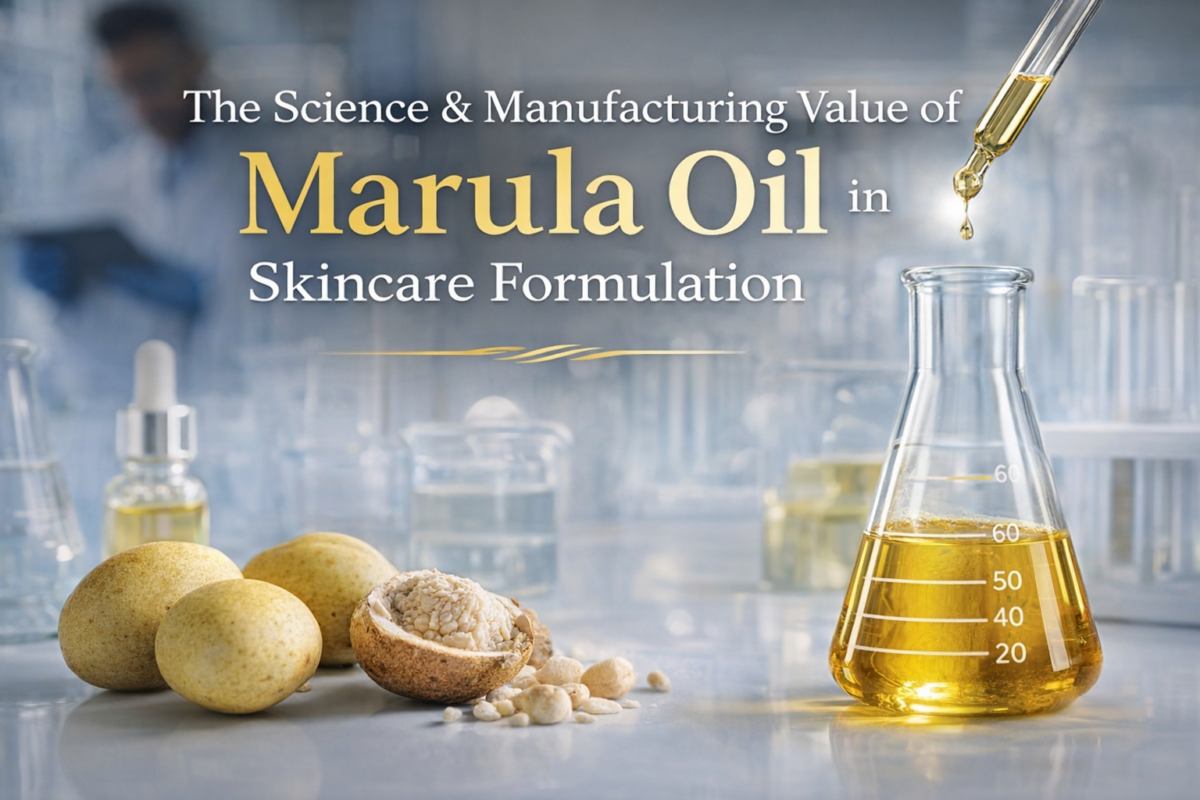
The Science & Manufacturing Value of Marula Oil in Skincare Formulation
Marula Oil is more than a trendy natural ingredient — it’s a scientifically validated emollient that supports hydration, antioxidant protection, and barrier repair.
In the world of OEM/ODM skincare manufacturing, understanding its chemistry and application determines whether a formulation succeeds in both efficacy and compliance.
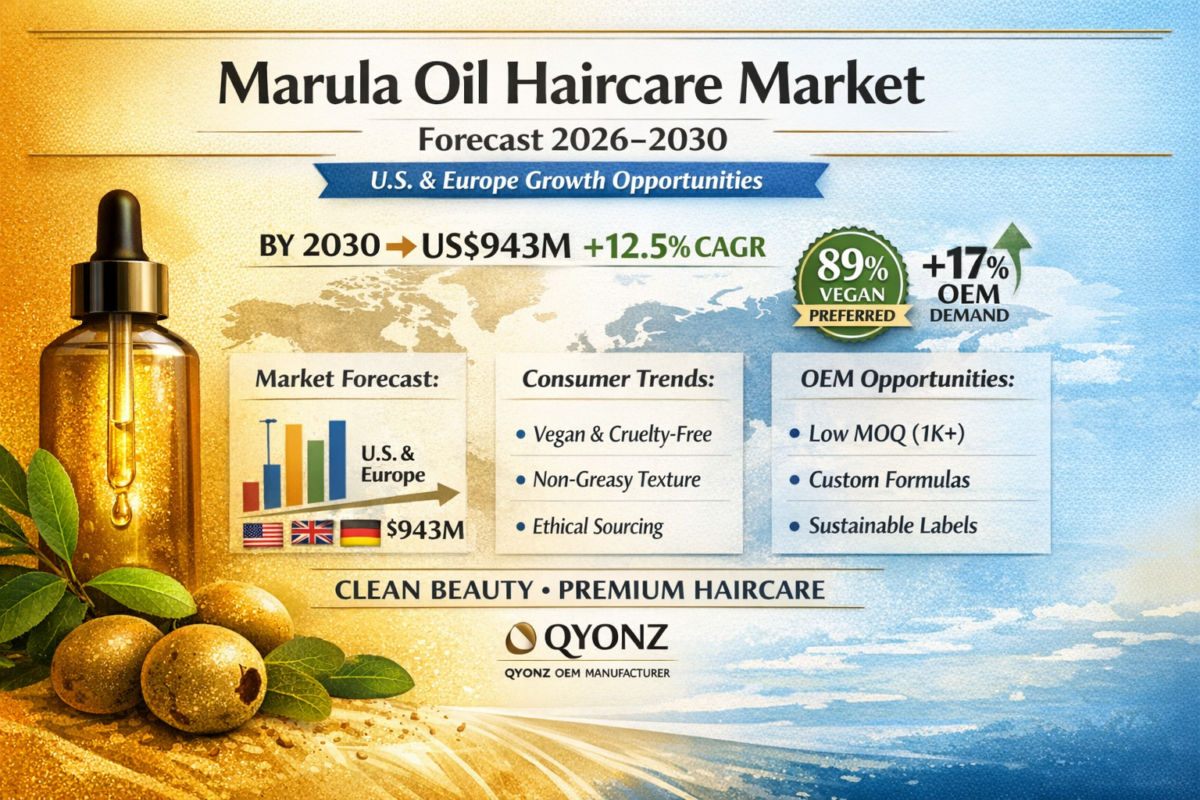
Marula Oil Haircare Market Forecast 2026–2030: The Clean Beauty Oil Redefining European & U.S. Haircare
Between 2026 and 2030, Marula Oil is set to become the “new argan oil” of clean beauty — redefining premium haircare across Europe and the U.S. with its lightweight texture, sustainable sourcing, and high ROI for OEM/Private Label brands.
MOQ & Lead Time Reality: What Buyers Should Really Expect from OEM Projects
Low MOQ and fast lead time sound attractive, but both depend on real supply chain variables — from packaging sourcing to formula maturity.
This article by Qyonz explains how MOQ and production timelines truly work in OEM manufacturing, and what buyers can control to stay on schedule.
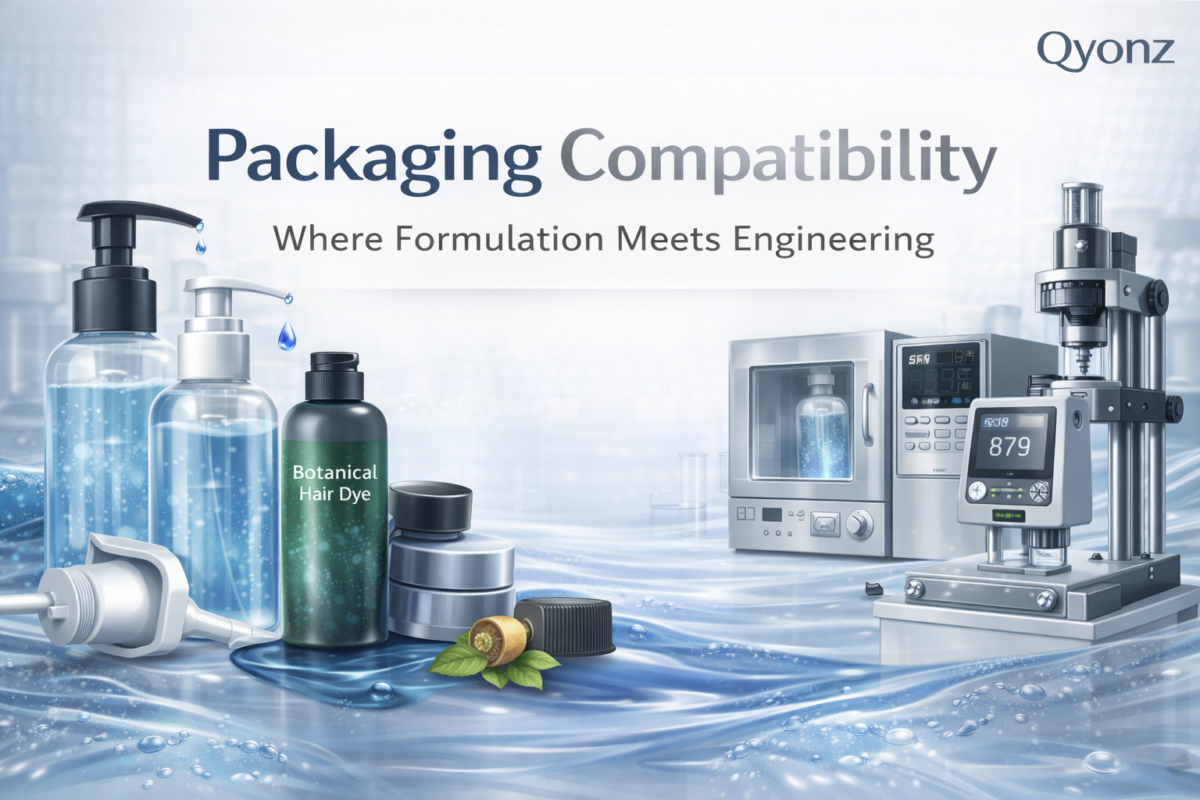
Packaging Compatibility: Why Formulas Leak, Oxidize, or Clog Pumps
In OEM manufacturing, over 40% of product complaints trace back to packaging issues — not the formula itself. This article from Qyonz explains how packaging compatibility failures happen, how to test them, and how to design stable, leak-free haircare and skincare packaging systems.
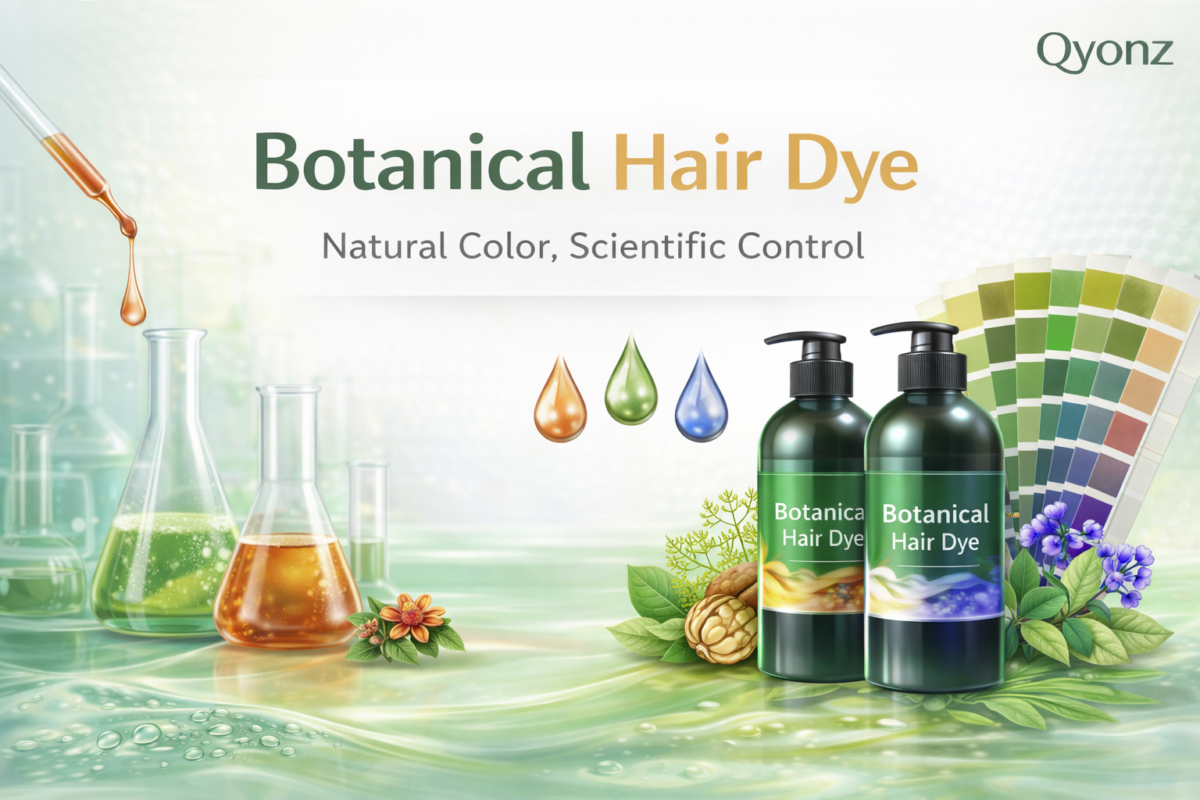
Botanical Hair Dye: Positioning, Formulation & Compliance Risks
Botanical hair dyes attract “clean beauty” brands — but not all plant-based claims are stable, safe, or compliant. This article from Qyonz explains how botanical pigments work, what their technical limitations are, and how to keep natural color formulas legally compliant under ISO 22716 and EU/FDA standards.
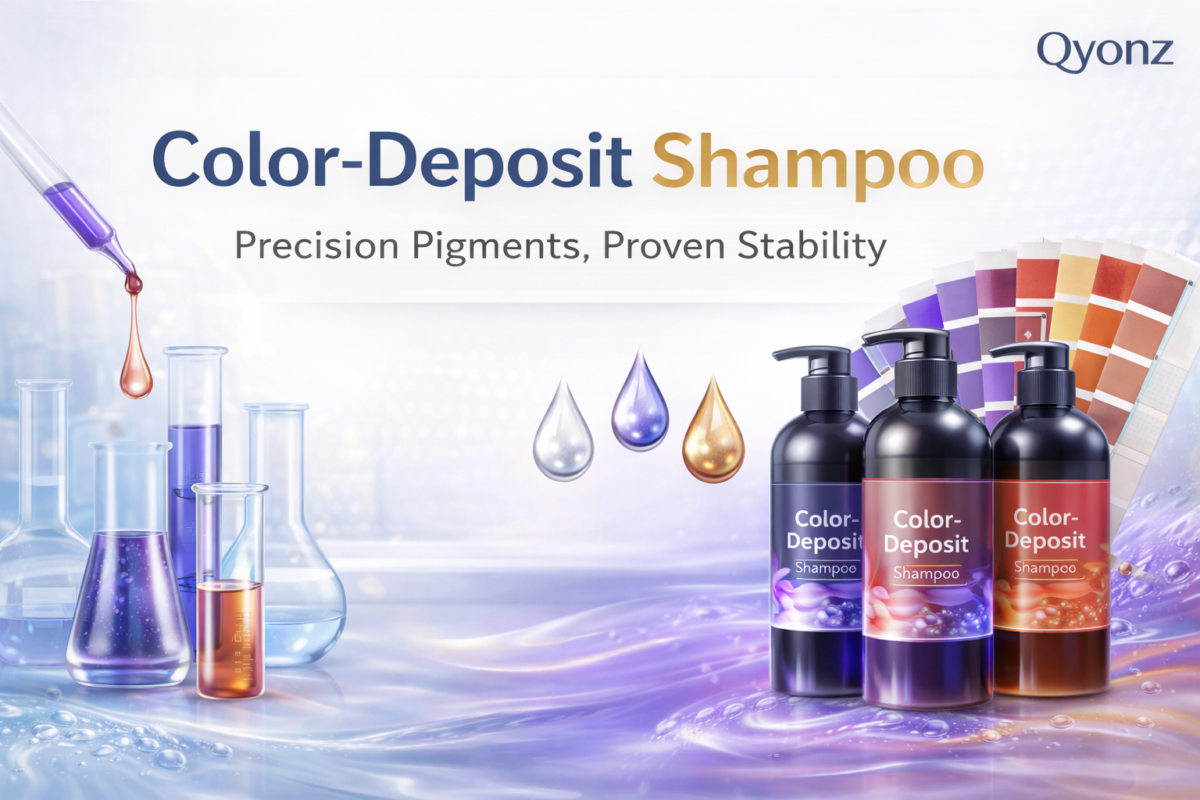
Color-Deposit Shampoo: Technology, Stability & Compliance Risks
Color-deposit shampoos combine cleansing and coloring technology in one step — but they are also one of the most formulation-sensitive products in haircare. Learn how pigment systems, surfactants, and packaging stability determine color accuracy, safety, and compliance for your private label line.
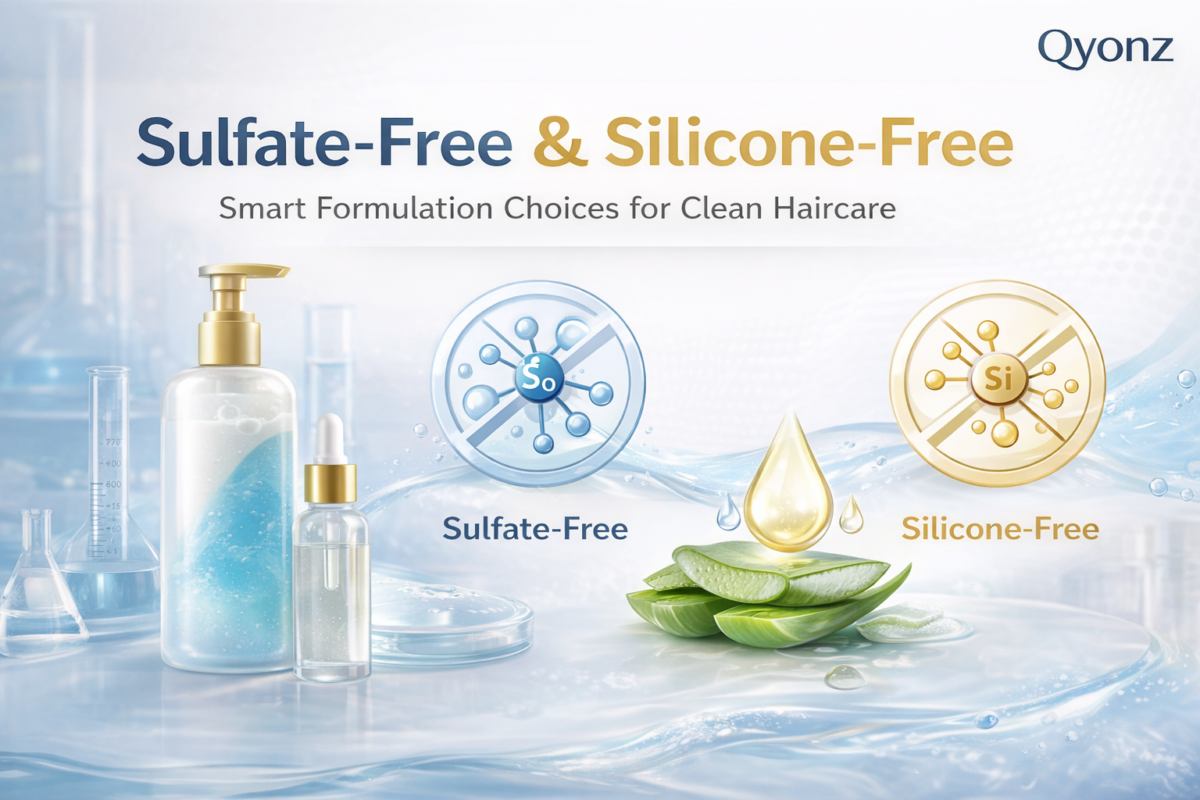
Sulfate-Free vs Silicone-Free: What Haircare Buyers Should Really Know
“Sulfate-free” and “silicone-free” have become powerful marketing phrases — but they are also the most misunderstood.
This guide from Qyonz, a GMP-certified OEM/ODM manufacturer in Guangzhou, China, explains how these claims affect formula performance, cost, and consumer perception — helping you build a truthful, effective clean-beauty brand.