







Posts relacionados

From Formula to Shelf: Inside the QYONZ Manufacturing Process for Clean Beauty (EU & Retail-Ready)

“Clean Beauty” is no longer a marketing claim—it’s a compliance gate. Retailers and regulators increasingly require ingredient transparency, traceable manufacturing, and documentation that stands up to audits. This article shows how QYONZ turns a concept into shelf-ready clean beauty private label hair care through a five-step system: requirement mapping, iterative lab sampling with test data, ISO/GMP-aligned production controls, packaging compatibility and labeling support, and post-launch change control. You’ll also see what “radical transparency” looks like in practice—SDS/COA per batch, traceable QC records, and documentation workflows designed to support EU-aligned requirements.
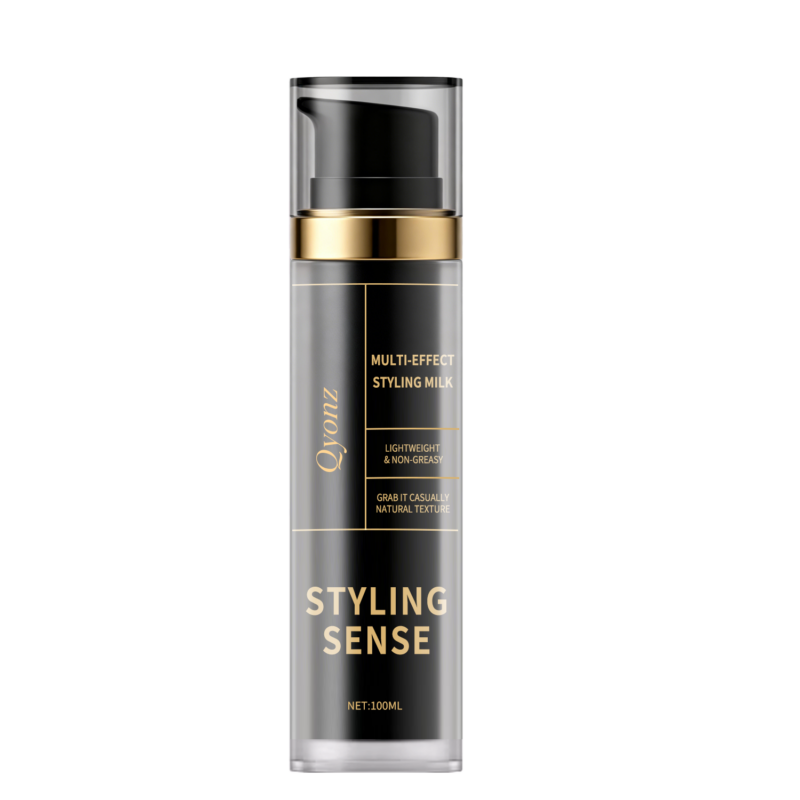
Porque é que o MOQ e a conformidade são mais importantes do que nunca no fabrico OEM de produtos para o cuidado do cabelo (2026 Playbook)
A maioria dos fundadores trata o MOQ como um limite de fábrica, mas no fabrico OEM de produtos para o cabelo, o MOQ determina a economia da unidade, o acesso à embalagem, o risco de inventário e a velocidade de expansão. As tiragens muito baixas (100-300 unidades) aumentam o custo e restringem as opções de embalagem, enquanto que os MOQs antigos de mais de 10.000 unidades podem congelar o fluxo de caixa antes de validar a adequação do produto ao mercado. Uma linha de base de 1.000 unidades é muitas vezes o ponto ideal operacional - suficientemente grande para testes de estabilidade, compatibilidade de embalagens e melhores níveis de preços, mas suficientemente pequena para proteger o capital de exploração. Em 2026, a conformidade é o segundo fator de negócio: Os processos ISO 22716/GMP, mais a SDS/COA e a documentação dos ingredientes, reduzem o risco de exclusão da lista e de rejeição no retalho. Este guia analisa a estratégia de 1.000 MOQ com uma lista de verificação do comprador e FAQ para equipas de aquisição.
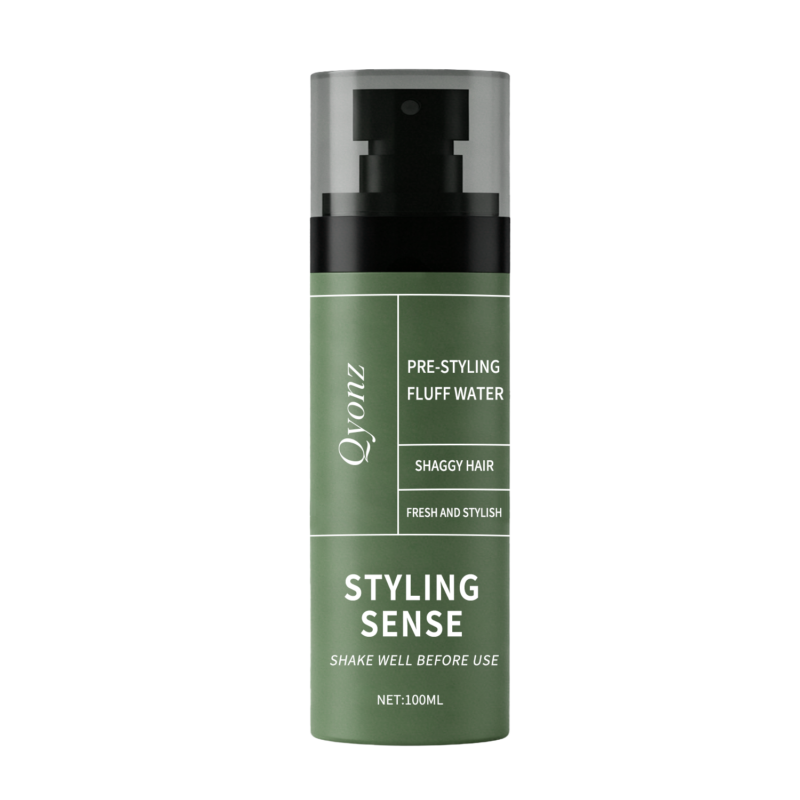
O fim dos flocos brancos e crocantes: A Arquitetura de Polímeros Líquidos como a derradeira alternativa ao Spray de Sal Marinho para Marcas Próprias
No estilo masculino, o “grão” já não é um ponto de venda - o desempenho sem stress do couro cabeludo é. Os sprays tradicionais de sal marinho criam textura através da desidratação, o que muitas vezes leva a uma sensação de fragilidade, embotamento e desistência por parte dos clientes. Os pós texturizantes podem dar mais brilho, mas as reclamações sobre resíduos e acúmulos estão aumentando. A solução da próxima geração é a Arquitetura de Polímeros Líquidos (LPA): uma micro-névoa à base de água, sem aerossol, que forma uma rede de polímeros flexíveis para dar elasticidade às raízes e uma textura retrabalhável - sem crostas ou flocos brancos. Este artigo explica a mudança na química, o que esperar quando se adquire uma fórmula de marca própria e como o fabrico que dá prioridade à conformidade (processos SDS/COA + ISO/GMP) desarranja o seu lançamento em 2026.
Escolher um fabricante OEM de coloração capilar por fase de marca (um guia prático)

A maior parte das marcas não falham na cor do cabelo porque escolheram a “fábrica errada”.
Porque é que as marcas mudam de fabricante OEM de cor do cabelo (e o que procuram a seguir)
Para muitas marcas de produtos de beleza, mudar de fabricante OEM de coloração capilar não é uma decisão repentina - é o resultado de uma produção repetida, compl...
Conformidade da Cor do Cabelo: SDS, COA e o que as marcas devem preparar antes do lançamento
Porque é que a conformidade é um fator decisivo no fabrico de colorações capilares
As tintas para cabelo e os produtos que depositam cor estão entre os produtos mais...
Marca própria de cor de cabelo de baixo MOQ: Como os pequenos lotes ainda podem cumprir as normas globais
O equívoco sobre
Muitas marcas assumem que a produção de cores de cabelo com baixo MOQ significa um comprometimento do qu...
OEM de cores de cabelo sem amoníaco: como os fabricantes profissionais formulam sistemas mais suaves
Porque é que a cor do cabelo sem amoníaco está na moda
A coloração de cabelo sem amoníaco tornou-se um dos pedidos de crescimento mais rápido entre as marcas independentes e os salões...
Fabricante OEM de produtos de coloração e deposição de cor para cabelo
Baixo MOQ | Certificado ISO 22716 | Suporte completo de documentação de conformidade
Fábrica com certificação ISO 22716 ✅ Mais de 12+ cores de cabelo e de...
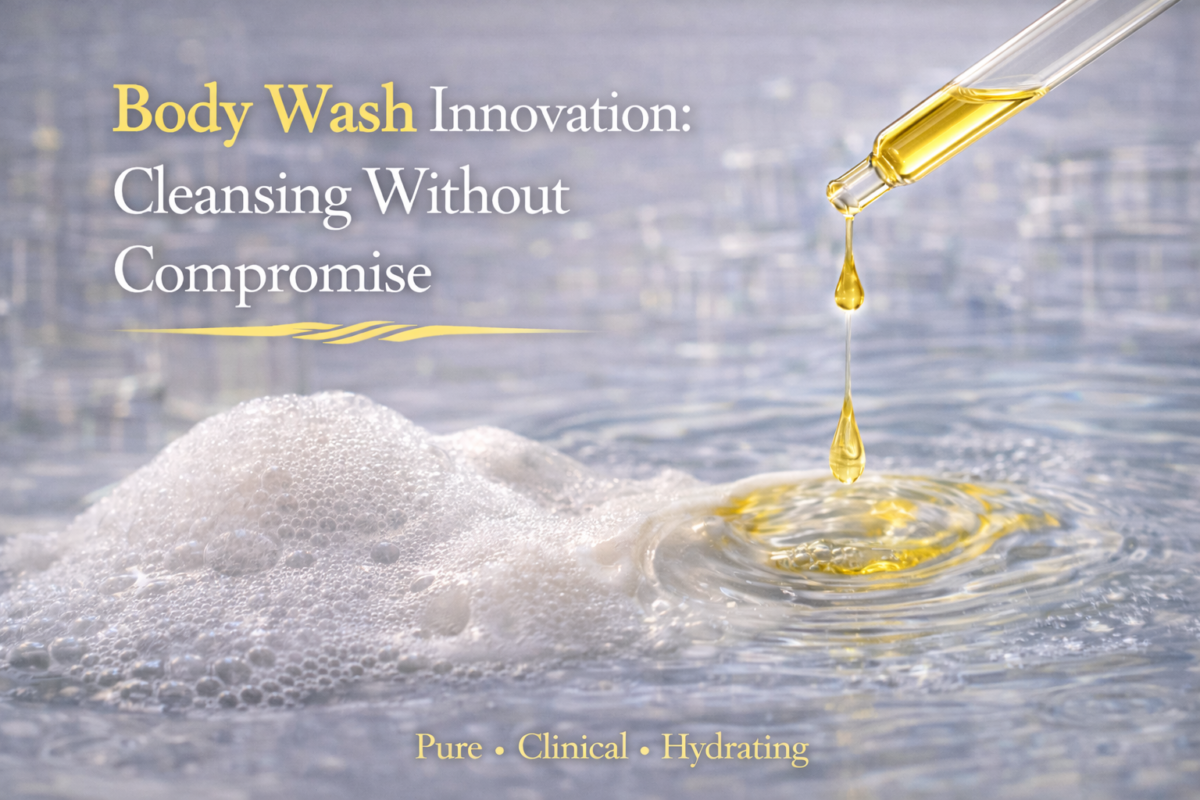
Inovação em produtos de limpeza corporal: Limpeza sem compromissos
A lavagem moderna do corpo já não é apenas uma questão de limpeza - é uma ciência delicada de preservação da barreira, hidratação e experiência sensorial.
A Qyonz OEM partilha a forma como o óleo de Marula melhora os produtos de limpeza corporal sem sulfatos para obter um desempenho limpo, suave e amigo da pele, apoiado por validação laboratorial.
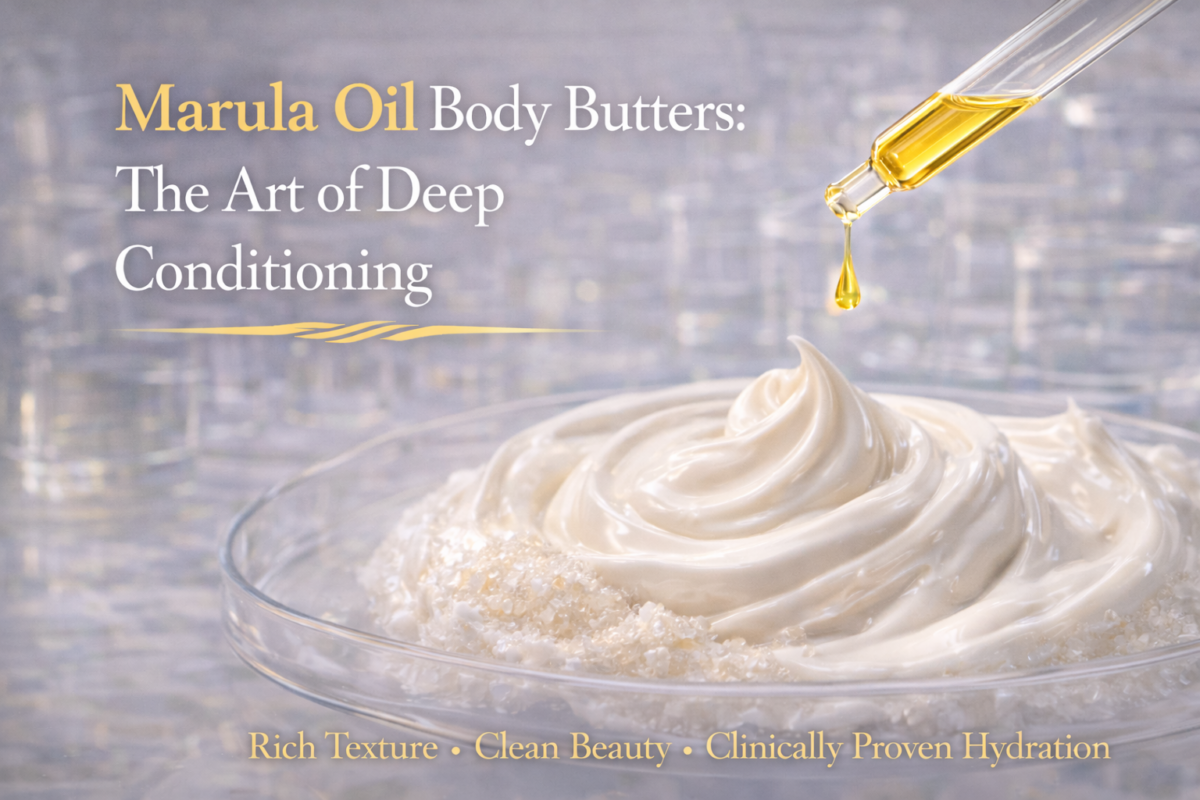
Manteigas Corporais com Óleo de Marula: A Arte do Condicionamento Profundo
Ricas mas refinadas - as manteigas corporais são o símbolo máximo de conforto e cuidado.
Qyonz OEM explica como o perfil lipídico e a estabilidade antioxidante do óleo de Marula permitem a obtenção de manteigas corporais ricas e não gordurosas que proporcionam hidratação clinicamente comprovada e indulgência sensorial.
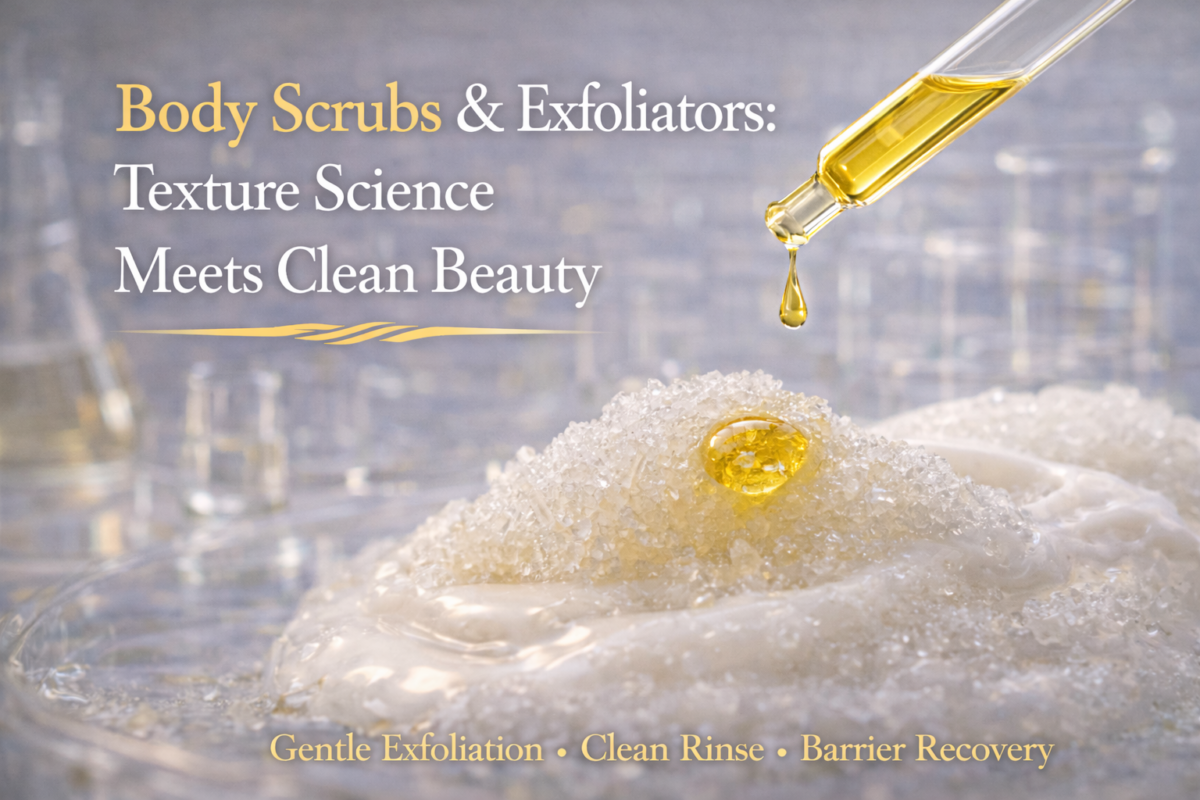
Esfoliantes corporais e esfoliantes: A ciência da textura encontra a beleza limpa
A nova geração de esfoliantes corporais combina a ciência e os cuidados sensoriais - esfoliando suavemente ao mesmo tempo que repõe a barreira cutânea.
Qyonz OEM explora a forma como o óleo de Marula e os esfoliantes naturais redefinem a formulação do esfoliante corporal, equilibrando o desempenho da textura com princípios de beleza limpa.
4 thoughts on “Hair Color & Color-Depositing Products OEM Manufacturer”